
In an increasingly interconnected world, the notion of belonging has taken on new layers of complexity. Dual citizenship—once a rarity reserved for a select few—has become a common reality for millions, weaving intricate tapestries of identity across borders and cultures. Navigating this multifaceted existence involves more than just holding two passports; it is a delicate balance of legal rights, cultural ties, and personal allegiances. This article delves into the nuanced landscape of dual citizenship, exploring how individuals and nations alike grapple with the opportunities and challenges embedded within multiple identities.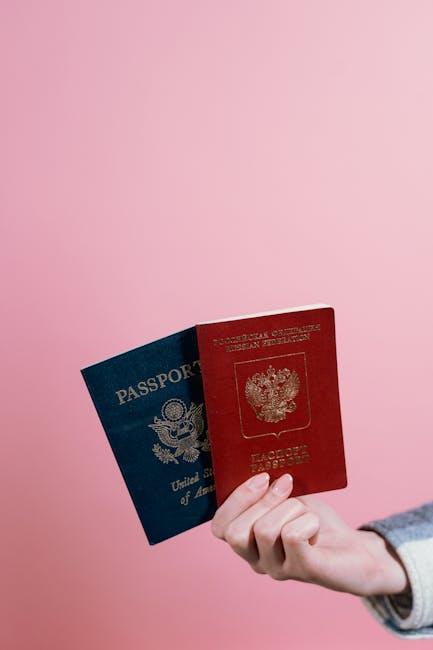
Understanding the Legal Landscape of Dual Citizenship
Delving into dual citizenship reveals a tapestry of legal nuances and jurisdictional intricacies that vary widely across countries. While some nations embrace dual nationality with open arms, recognizing it as a bridge to cultural exchange and economic opportunity, others impose stringent restrictions or outright prohibitions. These legal parameters often influence one’s ability to enjoy rights, bear responsibilities, and navigate obligations in more than one homeland. It’s crucial to identify key legal considerations such as:
- Eligibility criteria and naturalization requirements
- Tax implications across borders
- Military service obligations
- Political rights and limitations, including voting and holding office
- Passport validity and travel restrictions
Understanding the legal framework becomes even more vital when the code of one country conflicts with another, potentially exposing dual citizens to unintended legal dilemmas. The following table illustrates a simplified comparison of dual citizenship policies in selected countries, highlighting how regulatory attitudes can shape personal identity and mobility.
| Country | Dual Citizenship Status | Notable Restriction |
|---|---|---|
| Canada | Permitted | Requires disclosure upon naturalization |
| Japan | Generally Not Permitted | Must choose one citizenship by age 22 |
| Brazil | Permitted | Allowance for multiple nationalities |
| China | Not Permitted | Single citizenship strictly enforced |
Balancing Cultural Connections and Personal Identity
Embracing dual citizenship often means weaving together multiple cultural threads to form a unique personal tapestry. It’s a delicate dance between honoring the traditions and values of your ancestral heritage while forging an individual identity shaped by diverse experiences. This balancing act can introduce moments of profound connection as well as occasional dissonance, where the expectations of two worlds might not always align. Navigating this intricate web requires a conscious effort to appreciate the richness of each culture without losing sight of your authentic self.
The journey involves more than just legal status; it’s about cultivating a mindset that values plurality and growth. Individuals with dual citizenship often find themselves bridging communities, serving as cultural ambassadors who understand the nuances of multiple perspectives. By embracing the complexities, they develop skills such as:
- Adaptability: Seamlessly transitioning between cultural norms and practices
- Empathy: Deep understanding of diverse viewpoints and experiences
- Resilience: Overcoming identity conflicts without compromising personal values
Navigating Tax Obligations and Financial Responsibilities
Holding dual citizenship often means juggling financial commitments that span multiple countries. Each nation has its own tax codes, reporting requirements, and deadlines, which can create a maze for even the savviest taxpayer. Understanding your obligations is crucial to avoid penalties or double taxation. Many dual citizens must file income tax returns in both countries, but tax treaties and foreign tax credits can provide relief. Consulting with a tax specialist familiar with international laws can ensure you optimize your liabilities while staying compliant.
Beyond taxes, financial responsibilities include managing banking regulations and currency controls. Some nations impose strict rules on foreign account declarations or restrict the movement of funds abroad. Here’s a snapshot of common financial duties for dual citizens:
- Annual tax filings in both countries, depending on residence and income source
- Foreign bank account reporting, such as FBAR requirements for U.S. citizens
- Inheritance and wealth taxes that may apply differently based on nationality
- Compliance with anti-money laundering laws and currency export regulations
| Country | Tax Filing Requirement | Foreign Account Disclosure |
|---|---|---|
| United States | Yes, worldwide income | Mandatory (FBAR, FATCA) |
| Canada | Depends on residency | Yes, if account balances exceed threshold |
| Germany | Yes, if residency maintained | Generally required for foreign assets |
Addressing Security Concerns and Travel Challenges
Balancing security concerns when holding dual citizenship often requires a nuanced understanding of the regulations imposed by each country. Travelers with multiple passports must navigate divergent visa requirements, fingerprinting protocols, and sometimes, differing entry and exit obligations. For example, some nations mandate the exclusive use of their own passport upon entry or exit, which can create logistical hurdles. Additionally, heightened security measures may lead to more frequent checks or longer processing times, compelling dual citizens to prepare meticulously before journeys.
Practical challenges extend beyond paperwork and into everyday travel experiences. Dual citizens might encounter conflicting laws on issues such as military service obligations or taxation while abroad. Awareness and proactive management become essential tools. Consider the following quick tips to ease the travel intricacies:
- Keep travel documents updated for both countries, ensuring passports are valid at all times.
- Research destination-specific entry rules related to dual citizenship status.
- Maintain clear records of travel dates, visas, and any permissions granted.
- Consult legal advice in complex situations, especially for tax or residency matters.
| Aspect | Challenge | Solution |
|---|---|---|
| Passport Usage | Conflicting government policies | Use passport mandated by the country |
| Visa Requirements | Different visa regimes | Obtain necessary visas in advance |
| Security Checks | Increased scrutiny | Allow extra time at airports |
| Legal Obligations | Dual taxation & military conscription | Consult experts to clarify duties |
Practical Strategies for Managing Dual Citizenship Successfully
Successfully juggling two national identities requires a keen awareness of the legal and cultural nuances that come with dual citizenship. One essential approach is to stay informed about the tax obligations, voting rights, and military service requirements in both countries. This vigilance helps prevent unintentional legal complications and ensures compliance with each nation’s regulations. Additionally, maintaining updated travel documentation and passports reduces the risk of bureaucratic delays or travel restrictions, especially during international crises or shifting diplomatic relations.
Cultivating deep cultural ties and communication channels can also enhance your experience as a dual citizen. Consider these practical strategies:
- Engage with community groups tied to each country to preserve language skills and cultural traditions.
- Schedule regular legal reviews with immigration or tax professionals to navigate evolving policies.
- Leverage digital tools to organize travel documents and dual-citizenship responsibilities efficiently.
- Remain adaptable as geopolitics can influence citizenship laws unexpectedly.
| Aspect | Common Considerations | Recommended Action |
|---|---|---|
| Legal Compliance | Tax filings, military duty, dual passports | Regular consultation with legal experts |
| Travel | Visa requirements, expired passports | Maintain current documents and plan ahead |
| Cultural Identity | Language skills, community involvement | Participate in cultural events and language courses |
Wrapping Up
In a world that grows increasingly interconnected, dual citizenship stands as both a bridge and a mirror—linking disparate cultures while reflecting the layered identities we each carry. Navigating this complex terrain requires more than legal understanding; it demands empathy and adaptability, a readiness to embrace multiplicity without losing oneself. As borders blur and allegiances multiply, the journey of dual citizens becomes a testament to the evolving nature of identity itself—a story still unfolding, rich with challenges and possibility.




