
In an era where identities stretch beyond geography and allegiances intertwine across continents, the concept of citizenship has evolved into a complex tapestry of belonging. “Balancing Borders: Navigating the World of Multiple Citizenship” explores the intriguing landscape where individuals hold more than one nationality, embracing the opportunities and challenges that come with this multifaceted status. As globalization blurs traditional boundaries, the lived experience of multiple citizenship becomes a compelling story of cultural fusion, legal intricacies, and personal identity—inviting us to rethink what it truly means to belong in a world without clear-cut borders.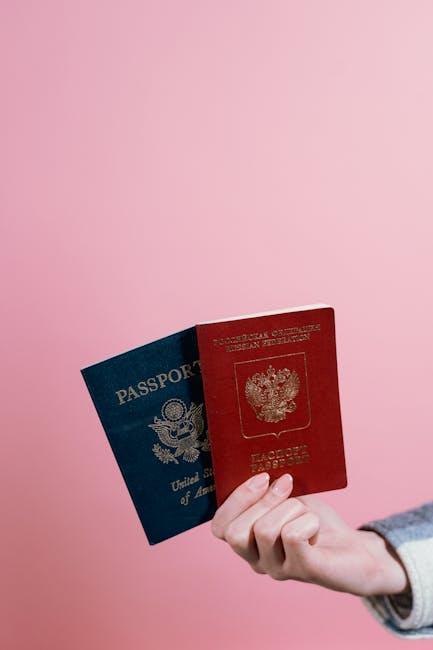
Understanding the Legal Landscape of Dual and Multiple Citizenship
Navigating the complexities of holding citizenship in more than one country often requires a deep dive into the patchwork of international and national laws. Each nation has a unique stance: some embrace dual or multiple citizenship with open arms, while others impose strict limitations or even outright bans. It’s essential to recognize that citizenship is more than a legal status; it’s a delicate balance between rights, responsibilities, and national identity. For example, while one country might allow you to vote and work freely, another might levy taxes or require military service, making it imperative to stay informed and proactive.
When unraveling the legal fabric of multiple citizenship, several critical factors come into play:
- Recognition Policies: Does the country acknowledge dual citizenship or enforce renouncement?
- Obligations: Are there mandatory civic duties such as military service or tax liabilities?
- Travel and Residency: How does multiple citizenship influence visa requirements and residency rights?
- Inheritance Laws: Could conflicting laws affect property and asset succession?
Understanding these nuances not only equips you to avoid legal pitfalls but also empowers you to harness the full benefits of your global identity.
| Country | Dual Citizenship Status | Notable Restrictions |
|---|---|---|
| Canada | Permitted | None |
| Japan | Limited | Must choose one citizenship by age 22 |
| Germany | Restricted | Requires permission to retain multiple citizenship |
| United States | Permitted | Tax reporting obligations apply |
Weighing the Benefits and Challenges of Holding Multiple Passports
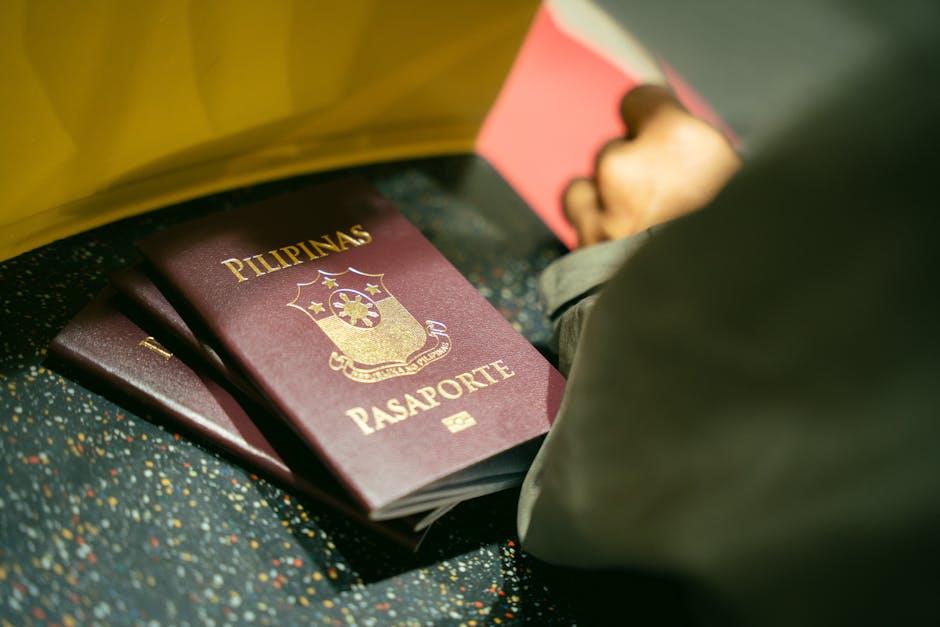
Embracing multiple citizenships can open doors to diverse opportunities, offering unparalleled freedom to travel, work, and live across borders. From access to multiple healthcare systems and educational benefits to wealth management advantages, holding different passports creates a unique passport portfolio. Key advantages often include:
- Enhanced global mobility: Reduced visa restrictions and faster entry processes.
- Economic perks: Eligibility for jobs and business ownership in diverse markets.
- Security and stability: Alternative residency options during political or economic unrest.
However, the complexities are just as real and require careful navigation. Dual or multiple citizenship may trigger intricate tax obligations and legal responsibilities that can complicate matters. Political tensions and conflicting laws between countries can present unforeseen hurdles, forcing individuals to reconcile allegiance challenges and bureaucratic red tape. Considerations also include:
- Tax filing intricacies: Navigating multiple tax systems could lead to higher compliance costs.
- Legal and diplomatic conflicts: Potential issues if countries do not recognize dual nationality.
- Military service obligations: Possible compulsory conscription in one or more countries.
| Benefit | Challenge |
|---|---|
| Multiple visa-free access | Complex tax reporting |
| Access to diverse social services | Legal allegiance conflicts |
| Business opportunities worldwide | Possible military duties |
Cultural Identity and Belonging in a Multi-Citizen Life
Living between cultures offers a rich tapestry of experiences but also presents a delicate dance with identity. Those embracing multiple citizenships often find themselves weaving together diverse histories, languages, and traditions into a unique personal narrative. This blending isn’t without its challenges—feeling fully accepted in one community while honoring ties to another can sometimes create a tension that calls for conscious reflection. The journey becomes one of embracing hybridity, where differences do not dilute belonging but enrich it.
Maintaining a sense of place within multiple national landscapes requires more than paperwork; it demands an active engagement with cultural practices and social rituals. Consider these aspects as a compass for navigating your multi-citizen identity:
- Language as a bridge: Switching between tongues creates a fluid communication style and deepens emotional connections.
- Festivals and customs: Participating in traditions from all nations nurtures a sense of inclusion and respect.
- Community networks: Building relationships within various cultural groups fosters belonging beyond borders.
| Aspect | Challenge | Opportunity |
|---|---|---|
| Language | Maintaining fluency in multiple languages | Enhanced cognitive flexibility and cultural empathy |
| Traditions | Balancing conflicting cultural celebrations | Broadening worldview and creative adaptation |
| Community | Feeling fragmented or ‘in-between’ | Building diverse networks and global friendships |
Strategic Financial Planning for Citizens of More Than One Nation
When managing finances across multiple countries, complexity rises from differing tax landscapes, currency fluctuations, and banking regulations. Strategic financial planning for such global citizens requires a meticulous approach to optimize wealth preservation and growth. Consider incorporating multi-currency accounts to hedge against volatile exchange rates, and leverage international tax treaties to avoid double taxation. Additionally, diversifying assets geographically not only mitigates localized risks but also takes advantage of opportunities within diverse economies.
Key considerations include:
- Tax residency status: Understanding where you owe taxes based on your physical presence and domicile rules.
- Estate planning: Aligning wills and trusts with varying legal systems to protect your beneficiaries.
- Cross-border investments: Gaining awareness of regulatory constraints on foreign holdings.
- Currency risk management: Using financial instruments to safeguard against exchange rate losses.
| Financial Element | Consideration | Potential Solution |
|---|---|---|
| Tax Liability | Multiple jurisdictions | International tax advisory |
| Banking | Local vs. international accounts | Multi-currency banking platforms |
| Investment Portfolio | Regulatory compliance | Diversified global asset allocation |
| Estate Planning | Legal complexities | Cross-border legal counsel |
Practical Tips for Managing Rights, Responsibilities, and Travel Logistics
Successfully managing multiple citizenships means staying organized and informed. Know your obligations in each country, such as tax filing deadlines, military service requirements, and voting responsibilities. Use a digital calendar or dedicated app to track these important dates to avoid penalties. When it comes to travel, be mindful of visa requirements and ensure your passports are always valid and accessible. Carry copies of essential documents and familiarize yourself with the local laws and customs of each nation to prevent unexpected legal issues during your travels.
Planning ahead also means balancing your travel logistics efficiently. Consider the best routes and airlines that accommodate all your citizenships to ease border crossings. Here’s a quick comparison of common travel benefits you might enjoy:
| Citizenship Benefit | Advantage | Tip |
|---|---|---|
| Visa-Free Travel | Access to 180+ countries | Prioritize passport with broader access for trips |
| Consular Support | Emergency aid worldwide | Register with embassies before travel |
| Dual Taxation Agreements | Reduced tax burden | Consult a tax advisor annually |
- Maintain clear communication with consulates and local authorities to navigate emergencies smoothly.
- Update your records regularly to reflect changes in citizenship status or personal details.
- Use travel insurance that covers multiple domiciles and medical systems.
In Summary
In the intricate dance of multiple citizenships, individuals find themselves weaving identities, rights, and responsibilities across not one, but several borders. Balancing these overlapping worlds requires not just legal understanding, but a thoughtful navigation of cultural ties and civic duties. As the tapestry of global citizenship becomes ever more complex, embracing the fluidity of belonging—while respecting the distinct contours of each nation—offers a path forward. In this evolving landscape, the art of balancing borders is less about division and more about connection, inviting us all to rethink what it truly means to call the world home.




