
In a world where distances are often measured not just in miles but in moments missed and memories left unshared, family-based immigration emerges as a vital thread weaving together lives across borders. It is more than a legal pathway; it is a journey fueled by hope, love, and the enduring human desire for connection. This article explores the intricate process of family-based immigration, illuminating how policies and personal stories intersect to bridge cultures, generations, and continents. Through understanding this path, we gain insight into the ways families navigate complex systems in pursuit of unity and belonging.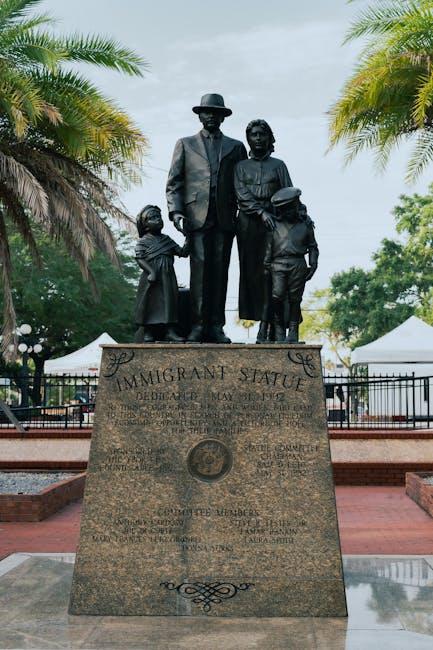
Understanding the Foundations of Family-Based Immigration
At the heart of family-based immigration lies the principle of reuniting loved ones across distances, transcending geographical and political boundaries. This form of immigration is guided by a system that prioritizes close familial relationships, allowing citizens and permanent residents to sponsor relatives for entry and residence. Understanding the various categories—such as immediate relatives, which include spouses, parents, and unmarried children under 21, versus family preference categories for extended family members—is essential for navigating this complex pathway.
Key elements that shape family-based immigration include:
- Eligibility Requirements: Detailed criteria based on relationship and legal status.
- Priority System: A hierarchical process that governs visa allocations and wait times.
- Documentation: Supporting evidence to prove familial ties and legal eligibility.
- Petition and Approval Process: Steps from filing forms to receiving visas.
| Category | Example Relationship | Typical Wait Time |
|---|---|---|
| Immediate Relatives | Spouse, Parent | No Wait (Priority) |
| Family Preference 1 | Unmarried Adult Children | 5-7 Years |
| Family Preference 3 | Married Children | 10-12 Years |
Navigating Legal Challenges and Documentation Requirements
Understanding the maze of legalities in family-based immigration is crucial to ensure a smooth passage across borders. One must often grapple with a variety of immigration laws that differ greatly by country, requiring careful interpretation and flawless application. Documentation, while meticulous, is the backbone of a successful petition, encompassing everything from birth certificates to proof of relationship, and frequently demands translation and notarization. Missing one document or misunderstanding a legal term can cause costly delays or even rejection, so preparation with the help of experienced legal counsel is highly advisable.
Beyond assembling documents, applicants face strict procedural steps, including biometrics appointments, interviews, and background checks. Staying organized and adhering to deadlines is essential, as is understanding the specific requirements for each stage. The following table offers a brief overview of common documents and their purposes in family-based immigration applications, serving as a checklist that applicants can customize according to their own unique situations.
| Document | Purpose | Key Tip |
|---|---|---|
| Birth Certificate | Establishes identity and relationship | Obtain certified copies |
| Marriage Certificate | Proves legal marital status | Translate by accredited service |
| Proof of Residence | Confirms living arrangements | Use recent utility bills |
| Affidavit of Support | Demonstrates financial stability | Include tax returns and pay stubs |
- Keep multiple copies of each document in different formats (digital and physical).
- Track submission deadlines meticulously to avoid application dismissal.
- Seek updates from official immigration websites to stay informed about policy changes.
Cultural Integration and Supporting Family Unity Abroad
Moving across borders presents both opportunities and challenges for families striving to maintain their bonds amidst new cultural landscapes. It’s essential to foster an environment where traditions can be celebrated, while also embracing the nuances of a new society. This delicate balance allows immigrant families to create a hybrid identity, where old and new coexist harmoniously. To nurture this, communities and policymakers alike champion initiatives like language support programs, cultural exchange events, and inclusive educational curricula. These efforts not only ease the transition but also enrich the cultural fabric of host countries.
Practical tools and community resources play a pivotal role in sustaining family unity abroad and can be broken down as follows:
- Language learning centers: Bridging communication gaps for all generations.
- Multicultural family support groups: Offering emotional and social connectivity.
- Legal assistance hubs: Navigating immigration and residency regulations with dignity.
| Resource Type | Purpose | Typical Benefits |
|---|---|---|
| Language Classes | Enhance communication skills | Social integration, job opportunities |
| Community Events | Encourage cultural exchange | Sense of belonging, cultural preservation |
| Legal Services | Support immigration processes | Legal security, family stability |
Policy Changes Impacting Family Reunification Efforts
Recent legislative updates have introduced significant shifts that affect how families navigate the complex journey of reunification. These changes often focus on tightening eligibility criteria, increasing documentation requirements, and extending processing times, which can introduce unforeseen hurdles for applicants. For many families, the updated rules bring a heightened need for meticulous preparation and legal guidance to ensure all procedural nuances are met without delay.
Key considerations under the new policies include:
- Stricter proof of relationship to avoid fraudulent claims
- Priority given to immediate family members over extended relatives
- Extended background checks and security screenings
- Revised fee structures impacting affordability
| Policy Aspect | Previous Standard | Current Update |
|---|---|---|
| Application Processing Time | 6-12 months | 12-24 months |
| Required Documentation | Basic family records | Enhanced verification documents |
| Priority Categories | All family-based equally | Immediate family prioritized |
Practical Strategies for Advocates and Immigration Applicants
When navigating the complexities of family-based immigration, advocates and applicants alike benefit from a multifaceted approach that balances detailed preparation with emotional resilience. Thorough documentation and clear communication are the cornerstones of success. Applicants should gather comprehensive evidence to establish relationships—ranging from birth certificates and marriage licenses to photos and correspondence. Advocates can enhance outcomes by guiding families in organizing their materials chronologically and thematically, framing their narratives persuasively to immigration officers.
Strategic planning goes beyond paperwork. Considering timelines and potential hurdles upfront allows for proactive solutions. Employ tips such as:
- Regularly monitoring visa bulletin updates to anticipate processing windows.
- Scheduling medical exams and biometrics promptly to avoid bottlenecks.
- Preparing for interviews with role-playing to build confidence and clarity.
| Strategy | Benefit | Recommended Tools |
|---|---|---|
| Document Checklist | Ensures completeness | Customizable spreadsheets |
| Interview Practice | Boosts applicant confidence | Mock Q&A sessions |
| Timeline Mapping | Anticipates delays | Calendar reminders & alerts |
Final Thoughts
In the intricate dance of borders and bureaucracy, family-based immigration emerges as a bridge—uniting loved ones across seas, languages, and cultures. It is more than a legal pathway; it is a testament to the enduring human desire for connection and belonging. As policies evolve and challenges persist, the journey continues to call for empathy, understanding, and thoughtful reform. In bridging borders, we do more than move people—we weave together stories, hopes, and futures that transcend lines on a map.




