
In a world increasingly defined by borders both physical and cultural, holding dual citizenship offers a unique vantage point—a bridge between nations, identities, and opportunities. For Americans who embrace dual citizenship, life unfolds as an intricate dance between two sets of rights, responsibilities, and allegiances. Navigating this dual existence means understanding the privileges and challenges that come with belonging to two countries simultaneously. This article explores the nuanced landscape of being an American dual citizen, shedding light on the legal rights, civic duties, and personal roles that shape this extraordinary journey.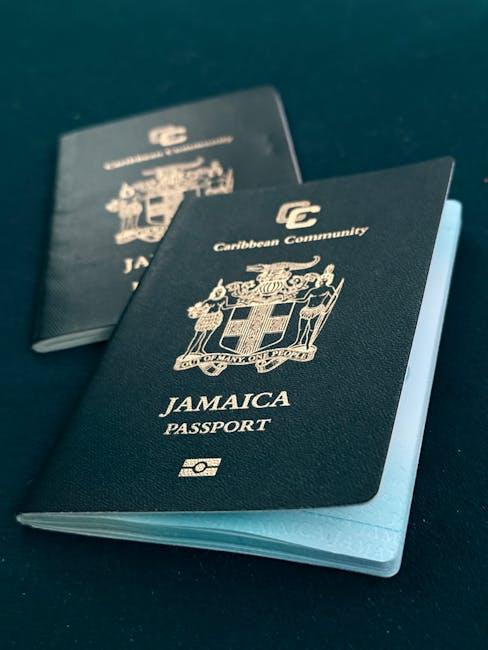
Understanding Dual Citizenship Rights and Legal Obligations
Living as a dual citizen means embracing a unique blend of rights and responsibilities across two nations. While you enjoy the benefits of voting, owning property, and working in both countries, it’s crucial to stay aware of the distinct legal obligations that each citizenship entails. For instance, American dual citizens are subject to U.S. tax laws on worldwide income, regardless of residence—a commitment that requires diligent financial reporting and compliance. Meanwhile, some countries may impose mandatory military service or other duties, which can impact your personal and professional life.
Understanding your dual status also means recognizing what rights may not fully transfer across borders. Here’s a snapshot of typical rights and limitations you might face:
| Rights as a Dual Citizen | Legal Obligations |
|---|---|
| Freedom to reside and work in both countries | Annual tax filings with the IRS |
| Access to social services and education | Jury duty calls in the U.S. |
| Ability to run for local office (varies by country) | Compliance with military conscription laws (if applicable) |
| Consular protection by either government | Dual reporting of foreign bank accounts (FBAR) |

Balancing Cultural Identity and Civic Responsibilities
Embracing two cultures simultaneously can be both enriching and challenging. Dual citizens often find themselves weaving their native traditions with American social norms, creating a unique personal identity. This balancing act requires deliberate reflection on what aspects of each culture to uphold, especially when community values or social expectations differ. It’s a dynamic process where respect and understanding lay the foundation for a harmonious coexistence of multiple heritages.
Alongside preserving cultural uniqueness, dual citizens must navigate their civic duties in the U.S., which include:
- Voting in local and national elections, contributing to the democratic process.
- Serving on juries, upholding justice when called upon.
- Filing accurate taxes, supporting public services and infrastructure.
- Participating in community initiatives, fostering social cohesion and growth.
This dual responsibility reinforces a sense of belonging while strengthening the role dual citizens play in shaping inclusive communities.
Navigating Travel and Passport Challenges with Dual Status
Balancing the privileges and responsibilities of dual citizenship often means navigating a complex web of travel restrictions and passport regulations. Dual citizens must carry both passports to smooth border crossings but remain attentive to each country’s entry and exit requirements. Sometimes, one nation may require you to enter and exit using its passport only, complicating travel plans. Staying updated on these rules is crucial, especially when political climates shift or new policies emerge.
Additionally, renewal processes and visa applications can become time-consuming, demanding careful documentation from both countries. Understanding when to use specific passports and which embassy to contact during emergencies can make a world of difference. Consider this simplified guide for managing your travel documents effectively:
| Scenario | Preferred Passport | Key Tip |
|---|---|---|
| Leaving the US | US Passport | Always exit and re-enter on US documents |
| Entering Second Country | Second Country Passport | Check visa requirements in advance |
| Traveling Third Countries | Most visa-friendly passport | Research visa exemptions and restrictions |
- Keep both passports valid: Avoid last-minute hassles by renewing well ahead.
- Inform authorities when necessary: Some countries require notification of dual status.
- Maintain copies: Digital and physical copies can speed up emergency consular assistance.
Taxation and Financial Planning for Dual Citizens
For dual citizens, managing taxes requires a nuanced approach, as they must navigate the financial obligations of two countries simultaneously. The United States, for example, taxes its citizens on worldwide income, regardless of where they reside. This can lead to complex situations where income might be taxed twice. However, provisions such as the Foreign Earned Income Exclusion (FEIE) and tax treaties aim to reduce this burden. Staying compliant involves detailed record-keeping and often the assistance of specialized tax professionals who understand cross-border intricacies.
Effective financial planning for dual citizens means embracing multipronged strategies that address currency fluctuations, investment diversification, and estate planning across borders. Consider these key points:
- Income Reporting: Declare all global income transparently to both tax authorities to avoid penalties.
- Tax Credits & Treaties: Utilize foreign tax credits and bilateral treaties to minimize double taxation.
- Retirement Accounts: Assess compatibility of retirement plans in both countries to optimize benefits.
- Estate Considerations: Understand inheritance tax laws in both jurisdictions to safeguard assets.
| Tax Aspect | U.S. | Other Country |
|---|---|---|
| Residency Basis | Citizenship | Residence or Citizenship |
| Income Tax | Worldwide Income | Typically Residency-Based |
| Double Taxation Relief | Foreign Tax Credit, Treaties | Varies by Country |
| Filing Requirements | Complex, Annual | Varies |
Building Community Connections While Honoring Both Nations
Balancing the rich cultural heritage of two nations offers dual citizens a unique platform to build vibrant, meaningful relationships both locally and internationally. Engaging actively in community events, cultural festivals, and local organizations can foster bridges of understanding and respect. By embracing elements from both countries—whether it’s language, traditions, or shared histories—dual citizens create a living tapestry of connection that enriches everyone involved. This dual identity becomes a powerful tool, enabling individuals to act as cultural ambassadors who nurture collaboration and empathy within diverse communities.
Strategies to deepen these bonds include:
- Participating in bi-national community forums and cultural exchange programs
- Volunteering for initiatives that support immigrant or diaspora groups
- Hosting or attending bilingual storytelling sessions or heritage-themed workshops
- Supporting local businesses or artisans representing both cultures
| Community Role | Impact |
|---|---|
| Cultural Ambassador | Promotes cross-cultural understanding |
| Event Organizer | Forges community unity through celebrations |
| Mentor | Guides others navigating dual identities |
| Advocate | Supports policies that respect multiculturalism |
Concluding Remarks
Ultimately, navigating life as an American dual citizen is a unique journey that blends the best of two worlds while inviting a deeper understanding of the rights, responsibilities, and identities that come with holding multiple passports. It’s a delicate balancing act—one that offers rich opportunities to engage fully in both cultures, legal systems, and communities. Embracing this duality means more than just managing paperwork or voting in two countries; it’s about crafting a bridge between distinct histories and futures, enriching not only your own experience but the broader narrative of what it means to belong. As you move forward, remember that dual citizenship is not merely a legal status—it’s a personal voyage of connection, choice, and contribution that continues to evolve with every step you take.




