
In an age where borders blend and identities intertwine, living two lives has become more than a metaphor—it is a reality for millions navigating the intricate tapestry of dual nationality. Straddling cultures, languages, and legal systems, those with dual citizenship embody a unique blend of belonging and complexity. This exploration delves into the fascinating world of dual nationality, uncovering how it shapes personal identities, broadens horizons, and challenges conventional notions of home and allegiance. Join us as we uncover the stories, opportunities, and dilemmas woven into the fabric of holding two nationalities, revealing a modern chapter in the ever-evolving story of human connection.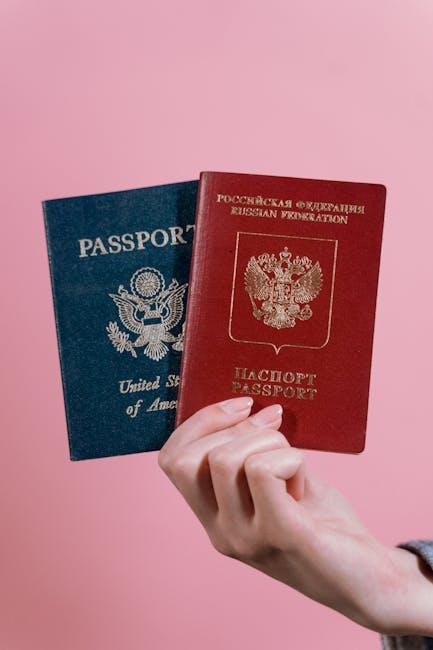
The Complex Identity Dance of Dual Nationality
Navigating the internal landscape of dual nationality often feels like performing a delicate dance—balancing two cultural rhythms without losing one’s footing. It’s not merely about holding two passports; it’s about embracing intertwined narratives that shape identity in unexpected ways. This living experience challenges individuals to develop a fluid sense of self, continuously oscillating between languages, traditions, and social expectations. The complexity deepens as moments of pride in one heritage may coexist with feelings of alienation from the other, creating an ever-evolving identity mosaic.
Within this oscillation lies a rich reservoir of personal and communal strengths, often expressed through:
- Multilingual fluency that bridges diverse worlds
- Hybrid customs blending rituals and celebrations
- Adaptive perspectives fostering empathy and insight
- Layered loyalties shaping social and political engagement
These elements form the unofficial choreography of dual nationality, where identity is less about a fixed position and more about an artful balance of multiple belonging. This dance is as challenging as it is enriching, inviting those who live it to embrace complexity and fluidity over simplicity.
Navigating Legal Rights and Responsibilities Across Borders
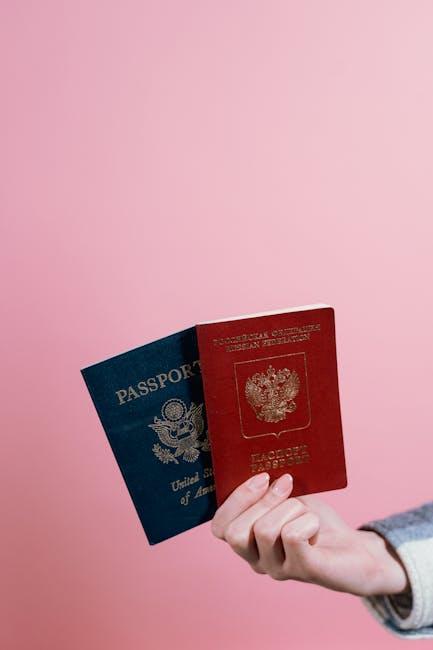
Balancing the legal intricacies of dual nationality can often feel like navigating a complex labyrinth. Each country has its own distinct set of rules, regulations, and rights that a dual national must understand and respect. This includes everything from taxation obligations to military service requirements, which can vary widely across borders. Being informed is crucial, as some nations may impose dual obligations, while others offer exemptions or reciprocal agreements. For example, understanding voting rights, property ownership laws, and social security entitlements in both countries ensures that you maximize your benefits while remaining compliant.
To successfully manage these cross-border responsibilities, dual nationals can benefit from practical strategies such as:
- Maintaining clear documentation for each nationality, including passports and identification cards.
- Consulting with legal experts who specialize in international law and dual citizenship.
- Regularly reviewing tax treaties between the countries to prevent double taxation.
- Understanding employment laws and how social contributions work across jurisdictions.
| Aspect | Country A | Country B |
|---|---|---|
| Tax Filing | Annual declaration with global income | Tax residency based only on physical presence |
| Military Service | Mandatory for men aged 18-25 | No compulsory service |
| Voting Rights | Allowed in national and local elections | Restricted to local elections only |
Cultural Richness and Challenges of Bridging Two Worlds
Immersing oneself in two distinct cultures brings a wealth of experiences that enrich both personal identity and worldview. Individuals with dual nationality often become cultural ambassadors, embodying the traditions, languages, and values of two countries simultaneously. This unique position fosters an innate adaptability, encouraging a broader perspective and a deeper appreciation for diversity. For example, they may celebrate festivals from both cultures, blending customs to create new, hybrid traditions. This interplay enhances creativity and social empathy, allowing for dynamic connections within multicultural settings.
However, this cultural duality also introduces a range of challenges that test one’s sense of belonging and self-definition. Constantly navigating between contrasting societal expectations can result in feelings of displacement or cultural confusion. Difficult questions arise, such as:
- Which national identity takes precedence in times of conflict?
- How to address language barriers when communicating across families?
- What pressures exist regarding loyalty and cultural assimilation?
To illustrate, the table below highlights some common cultural challenges and their potential emotional impacts:
| Challenge | Emotional Impact |
|---|---|
| Identity Duality | Confusion, self-reflection |
| Family Expectations | Pressure, guilt |
| Language Barriers | Frustration, isolation |
| Social Integration | Belongingness, exclusion |
Practical Tips for Managing Finances and Travel with Dual Citizenship
Mastering your financial landscape when juggling dual citizenship means embracing flexibility and foresight. Start by understanding the tax obligations in each country to avoid unexpected penalties or double taxation. Use digital banking that caters to international clients, offering multi-currency accounts and low conversion fees. This not only eases transactions but also helps you manage funds efficiently across borders. Additionally, syncing your financial calendars with local tax deadlines in both countries can save you from last-minute scrambles and enhance your financial planning.
When it comes to travel, leveraging the advantages of multiple passports can be a game-changer. Always keep an up-to-date travel document checklist to avoid complications at borders and make use of trusted traveler programs available in your countries of nationality. A savvy traveler also maintains a detailed record of entry and exit stamps, which can be handy for visa renewals or residency applications. Here’s a quick visual guide to streamline your preparations before jet-setting:
| Preparation Step | Why It Matters |
|---|---|
| Passport Validity Check | Ensures smooth entry without rejection |
| Vaccination & Health Requirements | Meets destination’s entry policies |
| Local Currency Carry | Facilitates immediate expenses |
| Emergency Contact List | Critical for unforeseen incidents |
Balancing Loyalty and Opportunity in a Globalized Age
Juggling dual allegiances in an increasingly interconnected world invites a complex dance of emotional and practical decisions. On one hand, there’s a profound *sense of belonging* that roots individuals to their culture, community, and heritage. On the other, the allure of varied opportunities—be it education, career advancement, or lifestyle choices—beckons from across borders. This delicate equilibrium often transforms dual nationals into cultural diplomats, mediating between distinct values and expectations while forging a unique, hybrid identity.
At the crossroads of loyalty and opportunity, dual nationals often experience:
- Expanded Horizons: Access to multiple legal rights, including voting, social services, and travel conveniences.
- Emotional Complexities: Navigating conflicting loyalties during political or social upheavals in either country.
- Economic Advantages: Enhanced employment options and business opportunities spanning continents.
| Aspect | Potential Benefit | Possible Challenge |
|---|---|---|
| Civic Participation | Vote & influence policy in two nations | Conflicting political interests |
| Legal Protections | Dual consular support abroad | Complex tax obligations |
| Cultural Identity | Rich, multifaceted heritage | Feelings of divided loyalty |
Closing Remarks
Living two lives, in essence, is more than a legal status—it is a vibrant tapestry woven from two distinct cultures, histories, and identities. Dual nationality opens doors to new perspectives and opportunities, while also presenting unique challenges that require balance and understanding. As the world grows ever more interconnected, the experience of living between borders becomes a testament to human adaptability and the rich complexity of modern identity. Whether viewed as a bridge or a balancing act, dual nationality invites us all to reconsider what it means to belong—and to embrace the possibility that home can be more than one place at once.




