
In an increasingly interconnected world, the concept of identity is evolving beyond borders. Dual nationality citizenship, once a rare legal status, is now a fascinating reality for millions who navigate the complexities of belonging to two countries simultaneously. This unique legal standing opens doors to new opportunities, cultural experiences, and global mobility, but it also brings a maze of legal nuances and potential dilemmas. In this article, we embark on a journey to unravel what dual nationality truly means, exploring its benefits, the challenges it presents, and how different nations around the globe approach this multifaceted status. Whether you’re curious about the freedoms it grants or the responsibilities it demands, understanding dual nationality citizenship offers a window into the dynamic nature of modern nationality itself.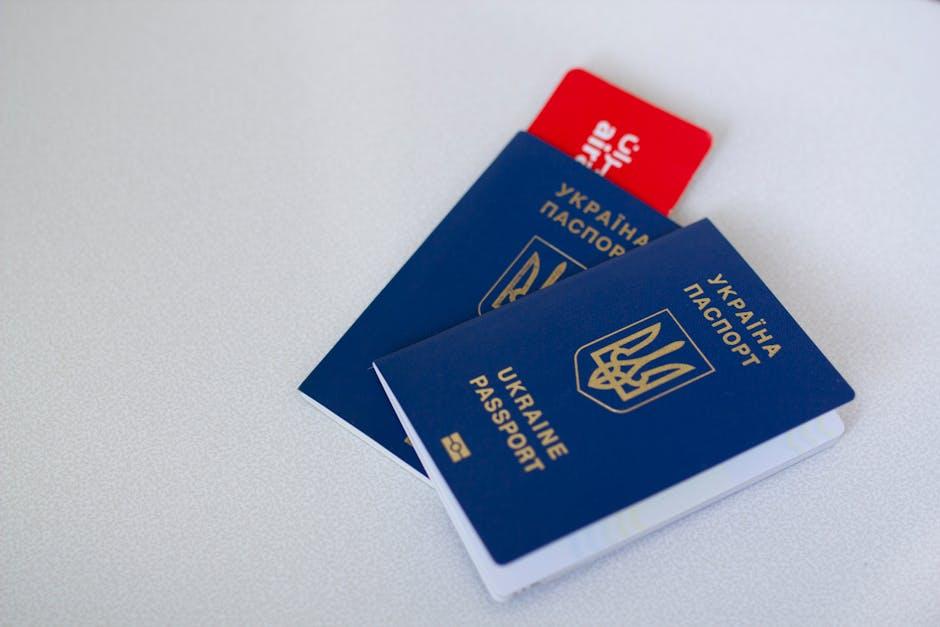
What Dual Nationality Really Means in Today’s Global Landscape
Dual nationality refers to the legal status where a person is recognized as a citizen by two different countries simultaneously, allowing them to hold two passports and access rights in both nations. In today’s interconnected world, this status goes beyond just a legal formality—it often reflects complex personal, cultural, and economic ties. For many, dual nationality means enhanced mobility, the ability to work or study abroad without visa constraints, and eligibility for social benefits or property ownership. However, the practical implications vary widely depending on each country’s laws. Some nations embrace dual citizenship openly, while others impose restrictions, requiring individuals to renounce one nationality upon acquiring another. Understanding these nuances is crucial for anyone considering or currently holding dual nationality.
While the benefits of dual nationality are clear, such as increased travel freedom and expanded career opportunities, challenges also exist. These include potential tax complications, legal obligations like mandatory military service, and issues related to diplomatic protection, where the two countries may have conflicting interests. To help clarify these aspects, here’s a brief comparison of common factors influenced by dual nationality:
| Factor | Potential Benefit | Potential Challenge |
|---|---|---|
| Travel | Access to multiple passports for visa-free travel | Complexities around entry and exit requirements |
| Legal Obligations | Rights to work, vote, and access government services | Requirement to pay taxes or serve in military in both countries |
| Social & Economic Rights | Eligibility for education, healthcare, and social security | Difficulties with dual loyalty or conflicting legal duties |
- Recommendation: Always consult with immigration experts or legal professionals before acquiring or maintaining dual nationality to fully understand your rights and responsibilities.
- Important to note: Dual nationality is not universally recognized, and each individual’s situation depends on the interplay of country-specific laws and international agreements.

Exploring the Advantages and Pitfalls of Holding Two Passports
Holding two passports through dual nationality can unlock significant practical advantages, especially in today’s interconnected world. Dual citizenship often grants increased travel freedom, allowing holders to enter more countries without visas or access simplified visas—ideal for frequent travelers or expatriates. Additionally, it offers expanded work and business opportunities, as dual nationals can legally live, work, and invest in two countries without the typical bureaucratic hurdles faced by foreigners. Another crucial benefit includes access to social services, healthcare, and education systems in both countries, providing broader safety nets and options for families. In some cases, dual nationality also enhances the ability to participate in the political process of both nations through voting or even holding public office, fostering greater civic engagement.
However, owning two passports isn’t without its pitfalls and complexities. One common challenge involves legal obligations such as double taxation—where both nations may claim taxes on the same income—or mandatory military service, which some dual citizens must fulfill in one or both countries. Additionally, navigating conflicting laws and national interests can be tricky, especially during diplomatic tensions, potentially placing dual nationals in difficult positions. Practically, carrying multiple passports can sometimes raise suspicion at border controls or complicate visa applications. Importantly, not all countries permit dual nationality, requiring careful research before pursuing citizenship. For those considering dual citizenship, it’s recommended to consult with immigration professionals to understand the legal responsibilities and protections, ensuring informed decisions that harmonize with personal and professional goals.
| Benefit | Potential Pitfall |
|---|---|
| Visa-free or visa-on-arrival access to more countries | Risk of double taxation on global income |
| Ability to live, work, and study in two countries | Mandatory military service obligations |
| Access to multiple social welfare systems | Conflicts in nationality law or loyalty during international disputes |
| Political participation rights | Complexity in renewing or managing multiple passports |
How Countries Differ in Their Approach to Dual Citizenship
Countries adopt diverse stances on dual citizenship, ranging from full acceptance to outright prohibition. For example, nations like Canada and the United Kingdom welcome dual nationality, allowing citizens to hold multiple passports without losing rights or facing legal complications. On the other hand, countries such as Japan and China strictly restrict dual citizenship, often requiring individuals to renounce one nationality by a certain age. This variation is often rooted in each country’s historical context, security concerns, and immigration policies. The benefits of accepting dual citizenship include enhanced mobility, economic opportunities, and cultural exchange. However, countries opposing it often cite challenges involving divided loyalties, tax complications, and military service obligations as key issues influencing their policies.
When comparing approaches, it helps to consider key factors like eligibility criteria, recognition of dual status, and administrative procedures. For instance:
| Country | Dual Citizenship Policy | Notable Conditions |
|---|---|---|
| Canada | Permitted | No need to renounce prior citizenship |
| Germany | Restricted | Allowed mostly within EU; requires permission |
| Japan | Generally Prohibited | Must renounce additional citizenships by age 22 |
| India | No Dual Citizenship | Overseas Citizenship of India (OCI) available, but not equivalent |
Those navigating dual citizenship should carefully research their country’s specific laws and consider consulting legal experts, especially since violations can lead to loss of citizenship or legal penalties. Understanding how countries differ aids in making informed decisions about acquiring or retaining multiple nationalities.
Common Misunderstandings About Dual Nationality Uncovered
One prevalent misunderstanding about dual nationality is the assumption that it automatically grants unrestricted rights in both countries. While dual citizenship does provide the benefit of holding two passports and potentially easier travel, legal rights and obligations differ widely between nations. For example, not all countries recognize dual nationality, and some may require individuals to choose one citizenship upon adulthood. Additionally, benefits such as voting rights, access to social services, and eligibility for government jobs can be limited depending on each country’s laws. It’s important to clarify that dual nationality does not mean full citizenship privileges in every aspect, but rather a complex balance of rights that must be navigated carefully.
Another common myth is that dual nationality inevitably leads to double taxation or military conscription. In reality, many countries have bilateral agreements that address tax obligations to prevent double taxation, allowing individuals to pay taxes only in one jurisdiction or obtain credits that offset payments. Similarly, while some nations require compulsory military service, this doesn’t always apply to dual nationals living abroad, especially if a country’s laws provide exemptions or alternative service options. Here’s a simplified comparison illustrating typical concerns and clarifications:
| Misunderstanding | Reality |
|---|---|
| Dual citizenship equals unrestricted rights in both countries | Rights and benefits vary; some countries limit privileges or do not recognize dual nationality |
| Dual nationals must pay taxes twice | Tax treaties often prevent double taxation through credits or exemptions |
| Mandatory military service applies fully to dual citizens | Exemptions or alternative service are common; depends on specific country laws |
To navigate these complexities, dual nationals should consult official sources or legal experts in each country involved. Being well-informed enables individuals to maximize the advantages of dual nationality while minimizing potential legal or financial pitfalls.
Choosing Dual Citizenship Wisely Based on Personal and Legal Factors
When considering dual citizenship, it is crucial to assess both personal circumstances and legal implications to ensure this choice aligns with your long-term goals. Start by understanding the specific laws of your countries of interest, as policies on dual nationality vary widely—some nations permit it freely, while others impose restrictions or require renunciation of previous citizenships. Beyond legality, evaluate how dual citizenship might impact your lifestyle: Will it simplify travel and work opportunities, or complicate tax obligations and military service? Personal factors such as family heritage, career mobility, and emotional ties to multiple countries often influence this decision profoundly. Additionally, consider the administrative commitments, including documentation renewals and compliance with civic duties in both countries.
To make an informed choice, weigh these key aspects carefully:
- Legal Compatibility: Check if either country disallows dual nationality or imposes burdensome conditions like compulsory military service or taxation.
- Rights and Responsibilities: Clarify the benefits—such as access to education, healthcare, and social services—against obligations like jury duty or voting requirements.
- Financial Implications: Analyze potential tax liabilities in both countries, including inheritance laws and foreign asset declarations.
- Travel Freedom: Assess how holding two passports affects visa requirements and border crossing ease for your typical destinations.
| Factor | Benefit | Potential Challenge |
|---|---|---|
| Work & Residency | Unrestricted job opportunities and residence rights | Complex employment regulations if both countries have conflicting laws |
| Taxation | Access to tax treaties and benefits | Double taxation risk requiring careful planning |
| Cultural Identity | Freedom to celebrate and belong to two cultures | Possible identity conflicts or legal confusion |
Ultimately, choosing dual citizenship wisely requires personalized research and often professional advice. Engage with immigration attorneys or consulates to clarify obligations and procedures, ensuring that your dual nationality status enhances your life without unforeseen complications.
The Conclusion
In a world increasingly connected by migration, culture, and opportunity, dual nationality stands as a fascinating bridge between identities, rights, and responsibilities. While it offers a unique blend of benefits—from expanded travel freedom to enriched cultural ties—it also brings its own set of challenges that require thoughtful navigation. Understanding how dual citizenship works across different countries is essential for anyone considering this complex status. Ultimately, embracing dual nationality is not just about holding two passports; it’s about weaving together diverse threads of heritage and possibility into a cohesive, personal story that transcends borders.




