
In an increasingly interconnected world, the allure of securing a second citizenship through investment is capturing the attention of global citizens seeking greater freedom, security, and opportunity. As 2024 unfolds, the landscape of citizenship-by-investment programs is evolving, offering a diverse palette of options that cater to varied ambitions and lifestyles. From sun-soaked Caribbean islands to vibrant European hubs, each country presents unique benefits, investment requirements, and procedural nuances. This article delves into the top citizenship-by-investment destinations of 2024, comparing their offerings side by side to help prospective applicants navigate the complexities and make informed decisions about this life-changing journey.
Understanding Citizenship by Investment and What It Means for You
Citizenship by Investment (CBI) is a legal process where individuals can obtain a new nationality by making a significant financial contribution to a country’s economy. Typically, this involves investments such as real estate purchases, government bonds, business development, or direct donations to national funds. For prospective applicants, understanding the eligibility criteria, investment thresholds, and processing timelines is crucial. Many CBI programs offer a streamlined path to citizenship, often with minimal residency requirements and accelerated approval periods, making them attractive for investors seeking global mobility, enhanced business opportunities, or personal security.
Choosing the right country involves evaluating the benefits alongside the practical considerations of each program. Common advantages include visa-free travel to numerous countries, favorable tax regimes, and access to quality education and healthcare systems. However, applicants should also be aware of potential challenges such as stringent due diligence checks, variable application fees, and differing degrees of transparency. Here’s a quick comparison of core factors investors consider before committing:
| Factor | Key Considerations | Typical Range |
|---|---|---|
| Investment Type | Real Estate, Donation, Business, Bonds | Varies by country |
| Minimum Investment | Amount required to qualify | $100,000 – $2,000,000+ |
| Processing Time | From application to certificate | 1 to 6 months |
| Residency Requirement | Physical stay obligations | None to several months |
| Visa-Free Access | Number of countries accessible | 100 to 180+ |
- Due Diligence: Protects both the applicant and host country by ensuring transparency and preventing illicit activities.
- Tax Implications: Some CBI countries offer no global income tax, which can impact financial planning.
- Family Inclusion: Many programs allow inclusion of spouses and dependent children, extending benefits to your entire family.
Key Advantages and Challenges of Investing for a Second Passport
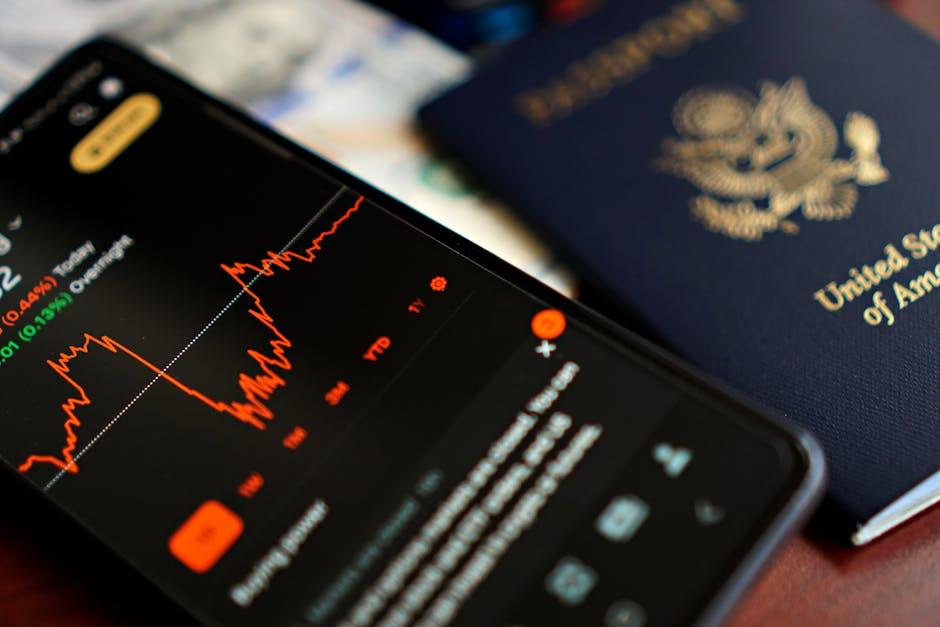
Key Advantages of investing for a second passport often center on enhanced global mobility, financial flexibility, and increased security. Investors gain access to additional visa-free or visa-on-arrival destinations, significantly simplifying international travel for both business and leisure. Moreover, a second citizenship enables diversified asset protection and broader investment opportunities abroad, which can be crucial in volatile economic or political environments. Many programs also offer streamlined citizenship via economic contributions such as real estate purchases or government bonds, making the process faster compared to traditional naturalization routes. In addition to personal benefits, a second passport can improve tax planning options and confer rights to reside, work, or study in new jurisdictions, facilitating greater freedom and lifestyle versatility.
On the other hand, prospective investors should be aware of the challenges involved in obtaining and maintaining a second passport. Costs vary widely, ranging from substantial government fees to mandatory investments, sometimes running into millions depending on the country’s program requirements. Due diligence procedures can be stringent, often requiring a clean legal record, financial transparency, and background checks that may extend processing times. Some countries impose residency or physical presence requirements, which could conflict with the applicant’s lifestyle or business commitments. Additionally, second citizenship raises potential issues concerning dual nationality laws, as not all countries permit multiple citizenships, and failure to comply may lead to legal complications. It’s essential to weigh both advantages and challenges, aligning them with personal goals and compliance demands before committing to a particular investment citizenship program.
How to Choose the Right Country for Citizenship Investment Opportunities
Choosing the right country for citizenship investment opportunities involves balancing multiple critical factors tailored to your personal and financial goals. First, carefully evaluate the investment requirements such as minimum capital outlay, eligible asset classes, and timeline expectations. Some countries offer real estate routes with property value thresholds, while others focus on direct government contributions or business development. Understanding the type of investment and its liquidity can significantly impact your decision, especially if you prefer quicker or more flexible exit options. Additionally, weigh the processing times and residency requirements; certain programs provide citizenship within months without mandatory physical presence, whereas others impose longer stays or multi-year commitments.
Beyond investment and process specifics, it’s essential to consider the broader benefits and lifestyle implications each country offers. These include visa-free travel options, tax policies, dual citizenship acceptance, and quality of life factors like healthcare and education. The geopolitical stability and international reputation of the passport gained also play a pivotal role in long-term value. Use a comparative approach—for example, reviewing popular options such as St. Kitts and Nevis, Malta, and Vanuatu—by listing their key advantages side-by-side:
| Country | Investment Type | Processing Time | Visa-Free Travel | Residency Requirement |
|---|---|---|---|---|
| St. Kitts & Nevis | Donation or Real Estate | 3-6 months | Over 150 countries | No mandatory stay |
| Malta | Contribution + Real Estate + Bonds | 12-24 months | 190+ countries | 12 months minimum |
| Vanuatu | Donation | 1-2 months | 130+ countries | No stay required |
Ultimately, aligning the citizenship investment country with your travel needs, financial strategies, and lifestyle preferences ensures the chosen option maximizes your benefits while minimizing hurdles. Consulting with legal and financial advisors who specialize in citizenship-by-investment programs often helps clarify nuances and safeguard your investment.
Common Misconceptions About Citizenship by Investment Programs
Citizenship by investment programs often face misunderstandings that can deter potential applicants or lead to unrealistic expectations. One frequent misconception is that these programs provide automatic or instant citizenship. In reality, most countries enforce a thorough due diligence process that can take several months. This process is designed to ensure applicants meet legal, financial, and security criteria. Another widespread belief is that citizenship by investment is a shortcut to tax evasion or visa-free travel without restrictions. While many programs offer visa-free or visa-on-arrival access to multiple countries, this benefit varies significantly, and tax obligations largely depend on the laws of both the new and original countries of citizenship.
Additionally, the assumption that all programs offer the same benefits and investment options is misleading. For example, some countries require real estate investments, others prefer government bonds or direct financial contributions, and eligibility criteria differ widely, including residency mandates or family inclusions. To clarify these differences, here’s a brief comparison of investment options across popular programs:
| Country | Investment Type | Minimum Investment | Residency Requirement |
|---|---|---|---|
| St. Kitts & Nevis | Donation or Real Estate | $150,000 (donation) / $200,000 (real estate) | None |
| Malta | Contribution, Real Estate & Bonds | €700,000 plus additional fees | 12 months |
| Turkey | Real Estate | $400,000 | None |
Expert Tips for Navigating the Process with Confidence and Clarity
- Understand the Application Timeline and Requirements: Each citizenship-by-investment program has distinct criteria, from minimum investment amounts to residency obligations and processing durations. Familiarize yourself thoroughly with these details before committing. For example, some countries offer fast-track options that deliver passports in as little as 3-6 months, while others may take over a year. Being clear about document requirements—such as proof of clean criminal records, health certificates, and source of funds—is critical to avoid delays or rejections.
- Leverage Experienced Legal and Financial Advisors: Navigating the complex legal frameworks and tax implications of acquiring a second citizenship requires specialized expertise. Engaging professionals who specialize in these programs ensures comprehensive due diligence, compliance with anti-money laundering regulations, and optimized financial planning. Advisors can also help identify the best-fit country for your goals, weighing factors like visa-free travel, family inclusion, and dual citizenship acceptance.
| Common Challenges | Pro Tips to Overcome Them |
|---|---|
| Understanding eligibility nuances | Review official government guidelines and seek clarification through consulates or licensed agents |
| Source of funds verification | Prepare transparent financial documentation early and keep clear transaction trails |
| Complex residency requirements | Plan travel and stay schedules that align with program criteria to maintain eligibility |
In Conclusion
As the landscape of global mobility continues to evolve, choosing the right citizenship by investment program in 2024 demands careful consideration of not just the financial commitment, but also the unique benefits and procedural nuances each country offers. Whether driven by the allure of visa-free travel, tax advantages, or enhanced quality of life, prospective investors are empowered with an array of compelling options tailored to diverse aspirations. By weighing these factors thoughtfully, individuals can navigate this complex decision with confidence—transforming an investment into a bridge toward new opportunities and a broader horizon. In the end, the best choice is one that aligns seamlessly with both your immediate goals and your long-term vision.




