
In an increasingly interconnected world, the allure of holding a second passport goes far beyond the prestige of an additional nationality. For some, it’s a gateway to new business opportunities, for others, a path to greater freedom of movement or enhanced security. But did you know that, in certain corners of the globe, citizenship isn’t just something you inherit or earn—it can actually be bought? This intriguing reality opens up a realm of possibilities, wrapped in complex legal frameworks, varied price tags, and a mix of enticing benefits. Join us as we embark on a journey to explore which countries offer citizenship for sale, what it costs to acquire a new nationality, and the advantages—and considerations—that come with this unique passport purchase.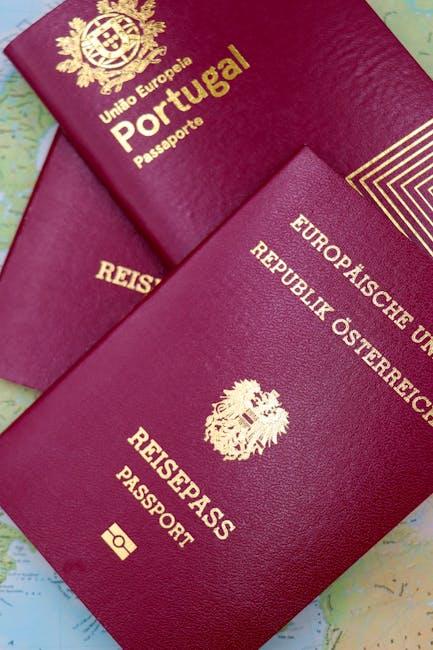
Understanding Citizenship by Investment Programs Around the World
Understanding Citizenship by Investment (CBI) programs starts with recognizing that these government-sanctioned initiatives allow individuals to obtain citizenship in exchange for a significant economic contribution. Typically, applicants invest in real estate, government bonds, or local businesses, or make a direct donation to a national development fund. The core appeal lies in the ability to gain a second passport without lengthy residency requirements, opening doors to greater global mobility, tax advantages, and business opportunities. However, each country’s program differs widely in terms of investment threshold, processing time, and eligibility criteria, making it essential to evaluate them against your personal priorities.
Common questions about Citizenship by Investment programs often revolve around cost, legal security, and benefits. For example, many opt for Caribbean programs such as Saint Kitts and Nevis or Dominica due to lower fees and faster processing (sometimes under six months), while European options like Malta or Cyprus provide access to the EU but at a substantially higher price point and stricter due diligence. Potential investors should also consider geopolitical stability, visa-free travel benefits, and tax implications alongside transparency and reputation of the program to avoid scams or restrictive clauses. Below is a quick comparison of popular CBI programs for a clearer overview:
| Country | Minimum Investment | Approximate Processing Time | Key Benefits |
|---|---|---|---|
| Saint Kitts and Nevis | $150,000 (donation) | 3-6 months | Visa-free travel to 150+ countries, no residency required |
| Malta | €650,000 (donation + real estate) | 12-14 months | EU citizenship, access to Schengen Zone, robust legal system |
| Turkey | $400,000 (real estate) | 3-6 months | Citizenship with easier US and Schengen travel options |

What to Consider Before Buying Citizenship in a Foreign Country
Before purchasing citizenship in a foreign country, it’s essential to carefully evaluate several key factors to ensure the investment aligns with your long-term goals. Start by understanding the legal requirements and eligibility criteria of the targeted country—these can range from minimum investment amounts to residency obligations and background checks. Additionally, consider the type of citizenship offered: some programs grant full citizenship with voting rights and access to social benefits, while others might offer residency or limited privileges initially. It’s also crucial to assess the stability and reputation of the country’s citizenship-by-investment program, as well as potential geopolitical risks that might affect your new nationality. Knowing the tax implications and how dual citizenship is handled will help you plan financially and avoid unexpected liabilities.
Practical considerations include the total cost involved beyond just the investment, such as due diligence fees, legal costs, and ongoing renewal expenses. Comparing programs based on benefits like travel freedom, quality of life, healthcare, education, and economic opportunities is important for making an informed choice. Here’s a brief overview of common evaluation criteria:
| Factor | Considerations |
|---|---|
| Investment Requirements | Minimum amount, eligible assets (real estate, bonds, business) |
| Residency & Processing Time | Required stay duration, speed of citizenship approval |
| Benefits | Visa-free travel, access to social services, tax advantages |
| Risks & Limitations | Program credibility, dual citizenship restrictions, political stability |
Ultimately, consulting with immigration experts and thoroughly researching each country’s program can help avoid pitfalls and find the best-fit citizenship option tailored to your personal and financial aspirations.
The True Benefits and Hidden Challenges of Buying a Passport
Purchasing a passport—often referred to as obtaining citizenship by investment—offers distinct advantages for individuals seeking greater global mobility, economic opportunity, or personal security. One of the primary benefits is visa-free or visa-on-arrival access to numerous countries, which can dramatically simplify international travel and open doors for business expansions or lifestyle flexibility. Additionally, citizenship often comes with rights such as the ability to live, work, and study freely within the country, access to healthcare and social services, and potential tax benefits depending on the jurisdiction. Many choose this route not only for practical reasons but as a strategic asset in uncertain geopolitical climates or to bypass restrictive immigration policies in their home countries.
Despite these advantages, there are hidden challenges buyers should consider before committing to the investment. The process can be costly and complex, often requiring substantial financial outlays beyond the passport purchase itself, including legal fees, due diligence charges, and ongoing residency obligations. Not all programs guarantee unconditional citizenship, with some imposing residency requirements or restrictions on subsequent travel. Additionally, the legitimacy and international acceptance of certain passports may be limited, affecting real-world usability. It’s critical to assess:
- Program transparency: Ensure the citizenship-by-investment scheme is government-backed and reputable.
- Tax implications: Understand how new citizenship affects your global tax responsibilities.
- Geopolitical risks: Some passports might be subject to sanctions or travel restrictions.
- Application duration and complexity: Processing times and documentation demands vary widely.
| Benefit | Potential Challenge |
|---|---|
| Visa-free travel | Limited recognition of certain passports |
| Access to new economic markets | High initial and recurring costs |
| Legal rights and protections | Compliance with residency or investment conditions |
| Enhanced personal security | Risk of fraudulent schemes and scams |
Comparing Costs and Opportunities in Popular Citizenship Markets
When comparing popular citizenship-by-investment (CBI) programs, cost remains a critical factor for most applicants. Countries like St. Kitts and Nevis, Dominica, and Antigua and Barbuda offer some of the most affordable options, usually starting around $100,000 for a single applicant via donation to a government fund. In contrast, European programs such as Malta and Cyprus demand significantly higher investments — often exceeding $1 million — combining real estate purchases, government contributions, and sometimes local business investments. Beyond price, it’s important to consider what each program offers: visa-free travel access, tax benefits, processing speed, and family inclusion options vary widely and can impact long-term value.
To clarify cost vs. benefits, here’s a quick comparison table outlining typical minimum investments and key opportunities across widely recognized markets:
| Country | Minimum Investment | Visa-Free Travel | Processing Time | Family Inclusion |
|---|---|---|---|---|
| St. Kitts & Nevis | $150,000 (donation) | Over 150 countries | 3-6 months | Yes, spouse and children |
| Dominica | $100,000 (donation) | 140+ countries | 3-4 months | Yes, with dependents |
| Malta | $1.2 million+ | 185+ countries (Schengen) | 12-14 months | Yes, extended family |
| Cyprus | $2 million (real estate) | 170+ countries | 6-8 months | Yes, spouse & children |
While low-cost programs often appeal due to affordability and faster processing, they may have more limited global mobility or residency requirements. Conversely, high-investment European options provide extensive travel freedom and stronger passports but at a premium and with longer waiting periods. Prospective applicants should weigh these factors alongside personal circumstances like intended use, country preference, and family needs to determine the optimal balance between cost and opportunity.
Common Myths and Facts About Economic Citizenship Explained
Myth 1: Economic citizenship is just “buying” a passport without any real background checks. In reality, reputable economic citizenship programs implement rigorous due diligence to ensure applicants pose no security risks. While the process involves sizable investments—often through donations, real estate, or business ventures—numerous governments carefully vet personal histories, financial backgrounds, and sources of funds before granting citizenship. This balance of investment and scrutiny helps maintain program integrity and protects national interests.
Myth 2: Economic citizenship grants automatic global visa-free travel. While some programs offer passports with robust travel advantages, not all citizenship-by-investment options provide equal mobility benefits. Countries like Malta or St. Kitts and Nevis enjoy favorable visa-free access to many nations, making them popular choices, whereas others may have more limited reach. It’s important to assess the passport’s visa rankings alongside costs and residency requirements to find the best fit for your needs.
- Fact: Economic citizenship can simplify international business operations and tax planning when aligned with proper legal advice.
- Fact: Obtaining citizenship through investment doesn’t exempt holders from tax obligations; tax treaties and national laws vary widely.
- Fact: Transparency and compliance with Anti-Money Laundering (AML) laws have increased, reducing risks associated with economic citizenship programs.
| Myth | Reality |
|---|---|
| “It’s a fast passport with no requirements.” | Most programs require background checks and a qualifying investment that can take several months. |
| “Economic citizenship ensures tax exemption.” | Citizenship does not guarantee tax benefits; users must understand relevant tax laws and bilateral agreements. |
| “Only the wealthy benefit from citizenship-by-investment.” | While costs can be high, some programs offer family coverage and practical benefits that justify the expense. |
The Conclusion
In a world increasingly defined by movement and opportunity, the option to acquire citizenship through investment presents a fascinating crossroads of choice and identity. While the financial commitments and legal intricacies vary widely, these programs open doors to new possibilities—whether for business, travel, or personal freedom. As you weigh the costs and benefits, remember that citizenship is more than a document; it’s a passport to a new chapter, shaped not only by where you invest but by the life you envision. Exploring these options with clarity and care can transform the abstract idea of “belonging” into a tangible reality—one country, one decision, one future at a time.




