
In an increasingly interconnected world, the concept of belonging to more than one nation is becoming a reality for millions. Dual citizenship—holding legal nationality in two countries simultaneously—is no longer just a rare privilege but an accessible option for many. This unique status offers a blend of cultural richness, increased mobility, and expanded opportunities, yet it also brings its own set of legal and practical complexities. In this article, we will explore what dual citizenship truly means, unravel its key benefits and challenges, and guide you through the pathways to qualify for it. Whether driven by heritage, work, or personal dreams, understanding dual citizenship could open doors to a world of possibilities.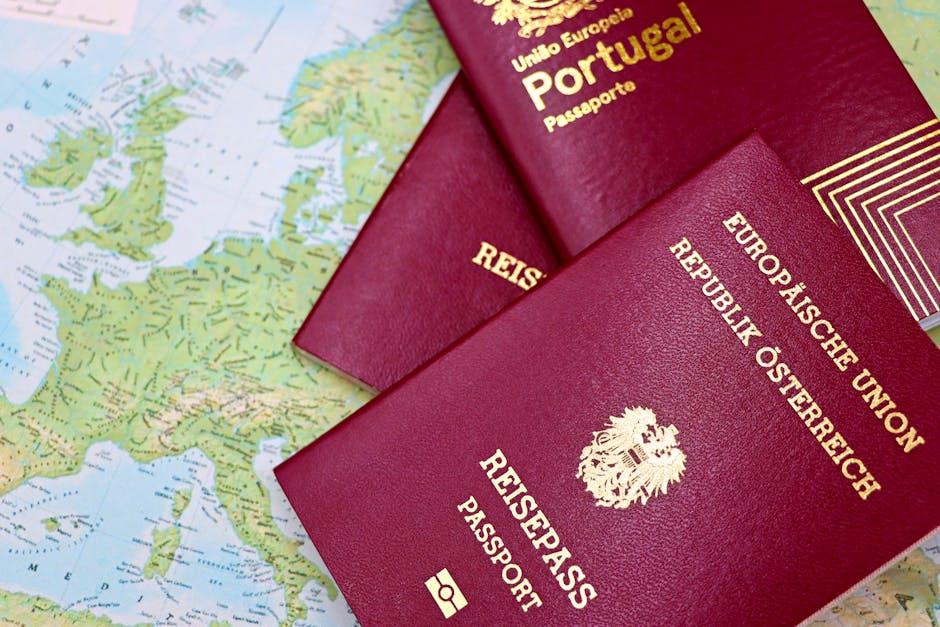
Understanding Dual Citizenship and Its Role in Today’s Global Landscape
Dual citizenship refers to the legal status in which an individual is recognized as a citizen by two different countries simultaneously. This means that the person holds two passports, has rights and responsibilities in both nations, and can often live, work, or study without restrictions within their borders. In today’s interconnected world, dual citizenship has grown increasingly common due to globalization, migration, and international business opportunities. While it offers greater freedom and flexibility, it also requires a clear understanding of how laws and obligations, such as taxation and military service, might differ between the two countries.
Understanding the practical role of dual citizenship in the global landscape involves weighing its benefits against potential challenges. Benefits often include:
- Access to wider travel options without visa requirements
- Expanded employment and educational opportunities across borders
- Enhanced security in times of political or economic instability
- Ability to own property and conduct business in multiple countries
However, dual citizenship can also introduce complexities, such as conflicting tax obligations and legal duties, complications with diplomatic protection, and the risk of losing citizenship if one country doesn’t permit dual nationality. To navigate these realities effectively, it’s crucial for individuals to research specific country laws and seek legal counsel where necessary. A comparative glance at citizenship laws can often clarify these nuances:
| Aspect | Country A (Dual Citizenship Allowed) | Country B (Dual Citizenship Restricted) |
|---|---|---|
| Taxation | May require tax filings in both countries | Tax residence generally assigned to one country |
| Military Service | Possible obligation in both nations | Citizenship may be revoked to avoid dual obligations |
| Passports | Allowed to use both for travel | Use of one passport often mandated |

Unexpected Advantages and Real-World Challenges of Holding Two Passports
Unexpected Advantages of Holding Two Passports often go beyond the standard benefits like easier travel or access to social services. Dual citizenship can provide strategic advantages in global business, allowing holders to navigate international regulations and taxation more flexibly. For example, a dual citizen can optimize tax obligations by understanding treaties between their two countries, sometimes reducing financial burdens. Additionally, having two passports can serve as a powerful security net during political instability, enabling you to relocate or receive consular assistance in emergencies. Language and cultural advantages also come into play, as dual citizens often maintain closer ties to multiple cultures, enhancing both personal identity and professional networks. This broader cultural insight can be invaluable in sectors like diplomacy, international law, or multinational corporations.
However, real-world challenges with dual citizenship are equally significant and should be carefully considered. Many countries have complex rules that may require dual citizens to fulfill military service obligations, pay taxes in both countries, or navigate legal conflicts, such as discrepancies in family law or property rights. For instance, some governments restrict holding public office or limit certain civil privileges to sole nationals. Additionally, the administrative burden can be non-trivial, including the need to renew multiple passports, report dual citizenship status, or face travel restrictions when one country does not recognize the other’s passports. To navigate these challenges effectively, it’s wise to:
- Consult legal experts familiar with the citizenship laws of both countries.
- Stay informed about tax treaties and reporting requirements to avoid penalties.
- Understand how each government treats dual nationals in terms of rights and duties.
| Aspect | Potential Benefit | Potential Challenge |
|---|---|---|
| Travel | Visa-free access to more countries | Need to carry and renew multiple passports |
| Legal Rights | Access to social services and voting in two countries | Complexity in legal obligations like taxes and military service |
| Security | Dual consular protection during crises | Potential diplomatic conflicts between two countries |
Navigating the Path to Dual Citizenship How to Meet the Eligibility Criteria
Navigating the path to dual citizenship begins with understanding the specific eligibility criteria set by the countries involved. Generally, eligibility hinges on key factors such as birthright, descent, naturalization, and sometimes, marriage. For example, some countries grant dual citizenship if you are born within their borders or if one or both parents are citizens, regardless of your place of birth. In contrast, naturalization often requires a period of continuous residence, language proficiency, and cultural integration. It’s crucial to check the laws of both countries because while one may allow dual citizenship freely, the other might impose restrictions, require renunciation of previous citizenships, or limit the types of dual citizenship they accept.
To better understand eligibility, consider the following factors commonly reviewed by immigration authorities:
| Eligibility Factor | What it Means | Typical Requirements |
|---|---|---|
| Birthright Citizenship | Automatic citizenship by being born in the country | Birth within territory or to citizen parents |
| Descent (Jus Sanguinis) | Citizenship inherited from parents or grandparents | Proof of lineage, sometimes up to 2–3 generations |
| Naturalization | Citizenship granted after living in a country | Residency requirements, language tests, good character |
| Marriage | Citizenship through marrying a citizen | Marriage certificate, minimum duration of marriage or residence |
Recommendations for applicants include thoroughly researching both countries’ laws, consulting with immigration professionals to avoid pitfalls such as losing current citizenship accidentally, and preparing documentation meticulously. Understanding these criteria upfront can simplify your application process and minimize unexpected legal challenges along the way.
Debunking Common Myths About Dual Citizenship You Should Know
Myth 1: You Automatically Lose Your Original Citizenship – Many people believe that acquiring dual citizenship means forfeiting their existing nationality. However, this is not universally true. While some countries require renouncing previous citizenships, a growing number of nations allow dual nationality without demanding such sacrifices. This means you can often enjoy the rights and responsibilities of both countries simultaneously, including voting rights, residency benefits, and social services. It’s crucial to check specific regulations for each country involved, as rules vary widely and may impact tax obligations, military service, or other civic duties.
Myth 2: Dual Citizenship Complicates Legal and Tax Status Beyond Manageability – While dual citizenship does add layers of legal and tax considerations, it is manageable with proper knowledge and planning. Many dual citizens navigate these complexities successfully by understanding filing requirements and seeking professional advice. For example, dual nationals might need to file taxes in both countries but can often benefit from bilateral tax treaties that prevent double taxation. Additionally, dual citizenship can expand travel freedom without needing visas and offer access to education or employment opportunities abroad.
| Common Concerns | Reality |
|---|---|
| Losing original citizenship | Depends on countries involved; many permit dual status |
| Double taxation | Tax treaties often mitigate this issue |
| Increased legal risks | Risks exist but can be managed with legal counsel |
Choosing the Right Citizenship Strategy Factors That Influence Your Decision
When choosing the right citizenship strategy, several key factors influence your decision beyond the mere appeal of holding multiple passports. First, consider the legal frameworks and policies of both countries regarding dual citizenship. Some nations strictly prohibit it, potentially forcing you to renounce your original citizenship, while others allow dual nationality without restrictions. Another crucial factor is the tax implications—different countries have vastly different tax systems, and holding dual citizenship may expose you to double taxation unless tax treaties are in place. Beyond legality and finance, think about travel convenience, such as visa-free access and ease of immigration, which can significantly impact your lifestyle or business plans. Additionally, access to social services and benefits, including healthcare, education, and retirement options, may vary depending on your citizenship rights in each country, influencing where you prefer to reside long-term.
Personal circumstances and long-term goals also play a pivotal role in determining the best citizenship strategy. For example, those seeking economic opportunities might prioritize countries with strong employment markets or favorable business environments, while individuals with family ties may focus on citizenship by descent. Security factors such as political stability, quality of life, and legal protections may take precedence for others. To simplify comparison, review the core criteria below:
| Factor | Key Considerations | Impact on Decision |
|---|---|---|
| Legal Compatibility | Does the country allow dual citizenship? Are there residency requirements? | Determines if dual citizenship is feasible without legal complications. |
| Tax Obligations | Are you liable for taxes in both countries? Are tax treaties applicable? | Affects financial planning and net income. |
| Travel & Mobility | Visa-free access, ease of entry, and exit between countries. | Facilitates global movement and business flexibility. |
| Social Benefits & Services | Access to healthcare, education, and social security systems. | Impacts quality of life and long-term security. |
| Personal & Family Ties | Family connections or cultural affinity to a country. | Influences emotional satisfaction and cultural integration. |
Wrapping Up
In a world that grows increasingly interconnected, dual citizenship stands as a fascinating bridge between cultures, opportunities, and identities. While it offers a unique set of benefits—from expanded travel freedoms to enhanced economic prospects—it also brings its own complexities and responsibilities. Understanding the nuances of dual citizenship is essential for anyone considering this path, ensuring that the journey is as rewarding as it is enriching. Whether driven by heritage, ambition, or personal choice, embracing dual citizenship invites you to navigate the world with a broader perspective and a deeper connection to the places you call home.




