
In a world where passports can number more than one and allegiances often stretch across continents, the concept of identity defies easy definition. “Between Borders: Navigating Identity, Belonging, and Choice in a World of Multiple Citizenship” explores the intricate web of connections and challenges that arise when nationality is not confined to a single place or story. As boundaries blur and the lines of belonging shift, individuals find themselves balancing diverse histories, cultures, and legal systems—each shaping how they see themselves and are seen by others. This article embarks on a journey through the evolving landscape of multiple citizenship, inviting readers to reflect on what it truly means to belong in an increasingly interconnected world.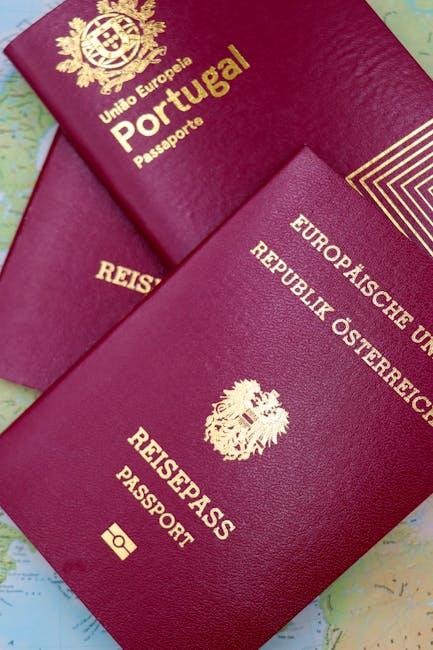
Rooted in Two Worlds Balancing Heritage and Hope
Take Amal, for instance, a young woman born in Morocco but raised in Canada. Her parents instilled deep respect for their Moroccan roots, celebrating traditional holidays and encouraging her to learn Arabic. Yet, daily life in Toronto, with its multicultural tapestry, pulled her toward a more fluid, hybrid identity. When applying for university, Amal faced a crossroads: should she pursue studies that aligned with her family’s heritage, like Middle Eastern studies or international relations, or should she embrace her Canadian upbringing and lean into fields like technology or business? Her decision wasn’t merely academic; it reflected the broader tension of growing up rooted in two worlds—navigating the expectations of heritage alongside the hopes for a future shaped by opportunity and change.
This balancing act is familiar to many with multiple citizenship. It requires constant negotiation, whether in daily social interactions or life-altering choices. For example, consider how citizenship can lead to complex questions about loyalty and belonging. A dual citizen might find themselves caught between cultural celebrations that conflict with national holidays or in situations where political opinions clash sharply between their countries. Some learn to build identity bridges by adopting the best of both sides, while others feel pulled apart, facing moments of frustration and alienation. This journey often teaches one key lesson: identity is not static but a living, evolving dialogue between past traditions and future aspirations.
When Passports Tell Different Stories The Complex Dance of Allegiances
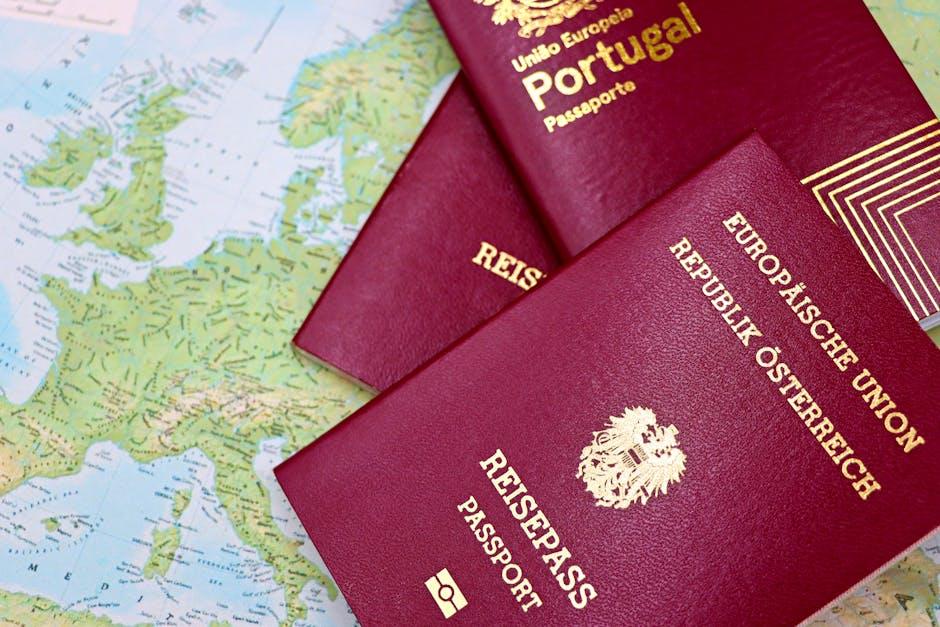
Imagine Amina, born in Morocco but raised in Canada, holding two passports that each tell a different chapter of her life’s story. To her Moroccan passport, she is an emblem of heritage and familial duty; to Canada, she is a promise of opportunity and personal freedom. Yet, with these dual identities come moments of dissonance—when visiting family, she must navigate the expectations tied to her Moroccan citizenship, such as honoring traditional customs and legal obligations, while abroad, her Canadian passport often grants her unspoken privileges and a sense of global mobility. These contrasting narratives create a delicate dance where allegiance isn’t simply about choosing one identity over another but understanding when and how to embrace each role fully. Such moments reveal the subtle lessons of multiple citizenship: it is less about conflicting loyalties and more about managing them with sensitivity and pragmatism.
Consider the unexpected challenges of Sergei, who holds passports from both Russia and Estonia—a pair shaped by history and shifting borders. Negotiating travel during periods of political tension tested his understanding of allegiance in sharp relief. While his Estonian passport provided visa-free access to much of Europe, his Russian one sometimes raised questions or led to delays, especially in countries wary of geopolitical dynamics. The tangible contrast between personal expectation—of seamless movement—and bureaucratic reality prompted Sergei to reassess his assumptions about identity and citizenship. His experience underscores these key takeaways:
- Dual citizenship is not always synonymous with dual privilege; sometimes it means navigating complex logistical and emotional landscapes.
- Practical decisions, like which passport to present, become charged with symbolic weight; this transforms ordinary travel into moments of mindful choice.
- Understanding the cultural and political context of each citizenship is essential; it shapes access, rights, and perceptions abroad.
| Scenario | Expectation | Reality | Lesson |
|---|---|---|---|
| Using a secondary passport for ease of travel | Smooth, unhindered entry | Encountered additional screening and questions | Privilege depends on geopolitical climate, not just citizenship status |
| Feeling purely attached to one nationality | Single, clear identity | Ownership of multiple, sometimes conflicting identities | Allegiance is a fluid, contextual experience |
Crossroads of Choice Navigating Rights Responsibilities and Identity
Imagine Sofia, born in Brazil to a Portuguese mother and a Nigerian father, holding passports from all three countries. Each citizenship opens doors to different rights—from healthcare access in Portugal, to voting privileges in Brazil, and the right to work without restrictions in Nigeria. Yet, these opportunities come bundled with responsibilities: tax obligations, military service in some cases, and navigating complex legal systems that don’t always harmonize. Sofia once faced a tense moment when renewing her Brazilian ID; she had to prove residency while living most of her life in Lisbon. This balancing act between rights and duties often clashes with personal identity, as Sofia feels rooted in Lisbon but bound by paperwork and expectations stretching across continents.
These crossroads of choice become clearer when layered with moments of decision. Take Ahmed, a dual citizen of Canada and Egypt, who wrestled with the question of where to vote during a critical election. While Canada offered him clear democratic engagement, he felt a pull to influence change in Egypt, his ancestral home, where voting could carry profound impact. His dilemma highlights the nuanced ways citizenship challenges assumptions—of belonging, participation, and allegiance. What seemed like straightforward rights evolved into a matrix of ethical considerations, cultural connections, and practical consequences. These stories reveal that multiple citizenship is far from a simple checklist; it’s a dynamic negotiation between legal frameworks and personal narratives, often requiring thoughtful trade-offs rather than absolute answers.
Lessons from Lives Lived Twice Embracing the Unseen Challenges
For many who hold multiple citizenships, the reality is far more complex than the freedom and opportunity often imagined. Take Amina, for example—born in Morocco, raised in Canada, and holding both passports—a situation reflecting privilege at first glance. Yet when her father passed away, she faced an unforeseen legal labyrinth: conflicting inheritance laws meant she had to navigate two very different courts, each demanding documentation and processes that were emotionally draining and time-consuming. It was a stark lesson that having multiple citizenships can multiply one’s obligations and complicate personal crises, rather than simplify them. The promise of seamless mobility belies a daily balancing act between competing national systems, social expectations, and personal identity. Amina’s experience underscores how these unseen challenges require not just legal navigation but emotional resilience.
Consider also the case of David, who grew up between the United States and Germany and held passports from both. When the pandemic struck, he faced an agonizing decision about where to live, work, and raise his children—each country offered safety nets, but also distinct cultural expectations and bureaucratic hurdles around education and healthcare access. His decision moments were framed not merely by preference but by confronting sometimes contradictory policies: sometimes his German citizenship provided better public health benefits; other times his American citizenship limited his access to critical services due to residency rules. This revealed another lesson: multiple citizenships mean living in the tension of simultaneously belonging everywhere and nowhere. The freedom to choose often comes tethered to compromises no single passport bearer would face alone.
| Challenge | Multiple Citizens Experience | Single Nationality Experience |
|---|---|---|
| Legal obligations | Navigating multiple legal systems, tax codes, and rights | Bound by single legal jurisdiction |
| Identity conflict | Balancing diverse cultural expectations and allegiances | Usually more singular national identity experience |
| Practical decision-making | Complex choices about residency, work, and social benefits | Decisions often streamlined through one system |
- Lesson #1: Embracing multiple citizenships requires patience and detailed awareness of contrasting legal and social frameworks.
- Lesson #2: Identity is fluid and often contradictory—not a fixed point but a negotiation between systems.
- Lesson #3: Support networks—both personal and institutional—are crucial for navigating unseen challenges.
Beyond Borders The Quiet Power of Belonging in a Fragmented World
In a small café in Brussels, Ana, a dual citizen of Colombia and Belgium, shares her story of finding belonging not through geography but through the quiet connections that transcend borders. Despite having passports from two continents, her true sense of home comes from the human spaces she inhabits—friendships forged over language mishaps, volunteering in community gardens, and the shared ritual of Sunday dinners. Ana’s experience reveals a subtle truth: while citizenship offers rights and recognition on paper, belonging unfolds in everyday moments that defy official boundaries. It’s in these unassuming acts of kindness and acceptance that people discover their place in a fragmented world.
The lesson here is not just about identity paperwork, but about where our loyalties and affinities take root amid complexity. Consider the decision moments when dual citizens must choose which passport to use or where to cast their votes—choices often loaded with expectation and pressure. Yet, these decisions rarely capture the deeper reality of feeling “at home.” Sometimes, the anticipated outcomes—like a sense of inclusion or representation—clash with the lived experience of exclusion or ambivalence. To capture this dynamic, here’s a quick look at the contrasts many face:
| Expectation | Reality |
|---|---|
| Citizenship means automatic belonging. | Legal status doesn’t always guarantee social acceptance. |
| Multiple citizenships create clear, fixed identities. | Identities overlap, shift, and resist neat categorization. |
| Voting or passport choice reflects full allegiance. | Allegiances are often layered, fluid, and context-dependent. |
In this quiet friction between expectation and reality lies the power of belonging—not as a grand statement but as a steady, enduring force that supports individuals navigating the complex geography of their identities and communities.
The Way Forward
As the lines on maps blur and the ties that bind us grow ever more intricate, the journey of navigating identity, belonging, and choice in a world of multiple citizenship reveals itself as profoundly personal and widely complex. Between borders, we find not only legal statuses but narratives of heritage, aspiration, and self-definition entwined. In embracing this multiplicity, individuals craft lives that challenge singular notions of nationhood, inviting us all to reconsider what it truly means to belong. Ultimately, the story of multiple citizenship is less about walls and more about bridges—connecting pasts, presents, and futures in ways that transcend geography and invite a richer understanding of who we are in an interconnected world.




