
In an increasingly interconnected world, the concept of belonging to more than one nation is becoming ever more relevant. Dual citizenship, once a niche legal status, now opens doors to a complex yet fascinating identity that bridges cultures, rights, and responsibilities across borders. But what exactly does it mean to hold dual citizenship? Beyond the passport, what benefits does it provide, and what challenges might arise? This article embarks on a clear and thorough exploration of dual citizenship, unraveling its key aspects and answering the common questions that surround this unique form of belonging. Whether you’re considering applying for dual nationality or simply curious about the topic, read on to gain a deeper understanding of what dual citizenship truly entails.
What Dual Citizenship Really Means for Your Identity and Rights
Dual citizenship fundamentally means holding legal citizenship status in two countries simultaneously. This status grants you the rights and responsibilities accorded by both nations, affecting your identity and legal standing in significant ways. For many, dual citizenship enriches their sense of identity by allowing them to maintain cultural ties, family connections, and a sense of belonging in multiple homelands. On a practical level, it means you can live, work, and study freely in both countries without needing additional visas or permits. However, it also means adhering to the laws, tax obligations, and civic duties-such as voting or military service-required by each country, which can sometimes create complex overlaps or conflicts that prospective dual citizens should carefully consider.
Key rights and considerations for dual citizens include:
- Travel flexibility: Access to two passports often means easier international mobility and visa-free travel to more countries.
- Legal protections: You receive consular support and legal protections from both governments, which can be crucial in emergencies abroad.
- Political participation: Dual citizens may have the right to vote or run for office in both countries, depending on national laws.
- Tax and military obligations: Some countries require dual citizens to file taxes or serve in the military regardless of where they reside.
| Aspect | Single Citizenship | Dual Citizenship |
|---|---|---|
| Identity | Tied to one nation’s culture and legal framework | Access to multiple cultural identities and communities |
| Rights | Rights restricted to one country’s laws | Rights and protections in two countries |
| Obligations | Subject to one country’s tax and legal system | Must fulfill legal responsibilities in both countries |
How Holding Two Passports Can Open Doors and Create Challenges
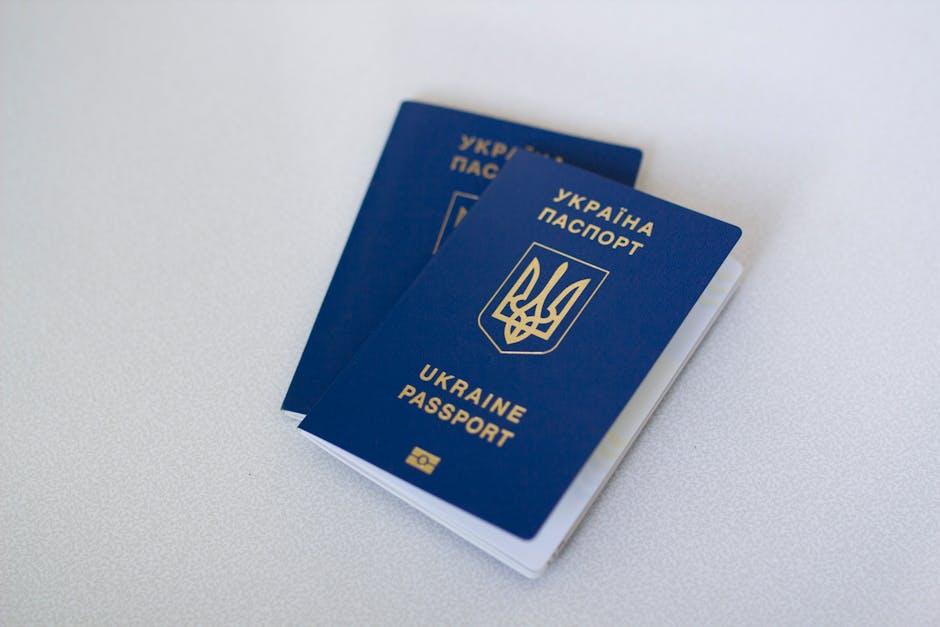
Holding two passports through dual citizenship significantly broadens personal and professional opportunities. It allows greater freedom of travel, often reducing or eliminating visa restrictions between countries. Dual citizens can access social benefits, education, and healthcare systems in both nations, enhancing quality of life. Moreover, owning two passports can simplify international business dealings by enabling easier work permits and smoother tax planning. For example, a dual citizen can enjoy the right to live, work, or invest in either country without the bureaucratic hurdles typically faced by foreigners. This flexible legal status often means enhanced cultural integration and a more dynamic lifestyle.
However, dual citizenship also comes with complex challenges worth considering. Individuals may face dual tax obligations, as some countries require citizens to file taxes regardless of residence. Military service requirements can also arise if both countries enforce conscription. Legal conflicts may occur due to differing laws on inheritance, marriage, or criminal responsibility. Additionally, dual passport holders must be vigilant about travel restrictions; some countries do not recognize dual citizenship and might limit consular assistance in emergencies. To navigate these issues effectively, it’s recommended to:
- Consult immigration and tax professionals familiar with both countries’ laws.
- Understand each nation’s stance on dual citizenship, including rights and obligations.
- Keep all travel documents current and be aware of visa reciprocity policies.
- Research military service laws and how they apply to dual nationals.
| Aspect | Benefit | Potential Challenge |
|---|---|---|
| Travel | Visa-free entry to more countries | Complex entry requirements if both passports used improperly |
| Taxes | Access to financial services in two countries | Possible dual tax filing, increased compliance |
| Legal Rights | Right to reside and work in two countries | Conflicting legal obligations (e.g., military service) |
Clearing Up the Biggest Myths About Dual Citizenship
Dual citizenship often comes with misconceptions that can confuse those exploring this status. One major myth is that having two passports forces you to pay double taxes. In reality, taxation depends on each country’s laws and international treaties. Most countries tax based on residency rather than citizenship alone, meaning you generally won’t face double taxation if you live and earn income in one country. Another common misunderstanding is that dual citizenship automatically requires military service in both countries-this is not universally true. Military obligations vary widely, and some countries allow exemptions or deferments for dual nationals.
Another prevalent myth is that dual citizenship means you must give up your political rights or allegiance in one country. On the contrary, dual nationals often maintain full rights in both countries, including voting and holding public office, unless explicitly barred by national law. Additionally, some worry that dual citizenship complicates travel or legal protections abroad. While travelers should carry both passports and be aware of entry requirements, dual citizenship can actually ease international travel and provide greater consular support. Understanding these facts helps dispel doubts and empowers individuals to make well-informed decisions about acquiring or maintaining dual citizenship.
Choosing Whether Dual Citizenship is the Right Path for You
Deciding whether dual citizenship is the right path for you involves evaluating your personal, professional, and financial circumstances. Key considerations include your ties to each country, such as family, work opportunities, or cultural identity. Dual citizenship often provides enhanced travel freedom, access to social services, and property ownership rights in both nations, but it also requires understanding the legal responsibilities like taxation, military service, or loyalty obligations that might come with holding two passports. If you’re seeking flexibility in living and working abroad, or want a safety net in uncertain geopolitical climates, dual citizenship could offer significant advantages.
You should also weigh potential challenges and compliance requirements before making a decision. For example, some countries do not permit dual citizenship or impose strict rules about renouncing previous nationality. It is essential to research:
- Country-specific laws governing dual citizenship eligibility and restrictions.
- Tax implications including the possibility of dual taxation.
- Impact on legal rights, such as inheritance, voting, and conscription.
To help clarify your decision, here’s a quick comparison of common benefits and concerns:
| Consideration | Potential Benefit | Possible Drawback |
|---|---|---|
| Travel & Immigration | Visa-free access to more countries | Conflicts in entry/exit requirements |
| Legal Obligations | Rights to participate in political processes | Dual taxation or mandatory military service |
| Cultural & Family Ties | Stronger connection to heritage and family | Complicated paperwork and citizenship maintenance |
Navigating Legal and Practical Considerations When Managing Two Nationalsips
Managing dual citizenship involves understanding both the legal responsibilities and practical realities tied to holding two nationalities simultaneously. Legally, dual citizens must navigate the complex landscape of each country’s laws regarding taxation, military service, and allegiance. For example, some countries require dual citizens to pay taxes on global income or serve in the military, while others provide exemptions or special provisions. It’s essential to research whether either country mandates obligatory registration of dual nationality or imposes restrictions on public office participation. Additionally, dual citizens often need to carry valid passports for both countries to facilitate seamless international travel and prove nationality as required.
On a practical level, logistical challenges such as renewing documents, understanding visa requirements, and complying with local laws come into play. Common issues include:
- Taxation: Understanding how each country taxes income-some have treaties to prevent double taxation, while others do not.
- Military Obligations: Verifying potential conscription laws, which can vary significantly.
- Legal Conflicts: Addressing possible conflicts between countries’ regulations, including restrictions on dual nationals during legal proceedings.
- Travel Documentation: Ensuring both passports are up-to-date and knowing when to use each based on destination entry rules.
| Consideration | Country A | Country B |
|---|---|---|
| Tax Filing Requirement | Global income tax applies | Tax based on residency only |
| Military Service | Compulsory until age 25 | No military conscription |
| Dual Citizenship Recognition | Permits dual nationality | Limited recognition |
To effectively manage two nationalities, proactive consultation with immigration lawyers or tax advisors familiar with dual citizenship is highly recommended. Staying informed ensures benefits are maximized while mitigating risks such as legal penalties or travel complications.
In Retrospect
In navigating the intricate landscape of dual citizenship, we uncover a world where identity, opportunity, and responsibility intertwine. Whether driven by heritage, lifestyle, or global ambition, embracing dual citizenship can open doors to new experiences and rights-while also inviting thoughtful consideration of legal and cultural nuances. As you weigh the benefits and challenges, remember that understanding the full picture empowers you to make informed decisions that resonate with your personal journey. Dual citizenship is more than a status; it’s a bridge connecting lives, places, and possibilities.




