
In an era where borders blur and global crises cast long shadows over economies, the allure of a second passport has grown from a mere symbol of freedom into a sophisticated tool of strategic foresight. While many envision it as a key to unrestricted travel and new experiences, the pursuit often speaks louder to a deeper, more pragmatic impulse: safeguarding financial stability in an unpredictable world. This article unpacks why chasing a second passport today is less a quest for liberty and more a calculated move toward economic resilience and future-proofing.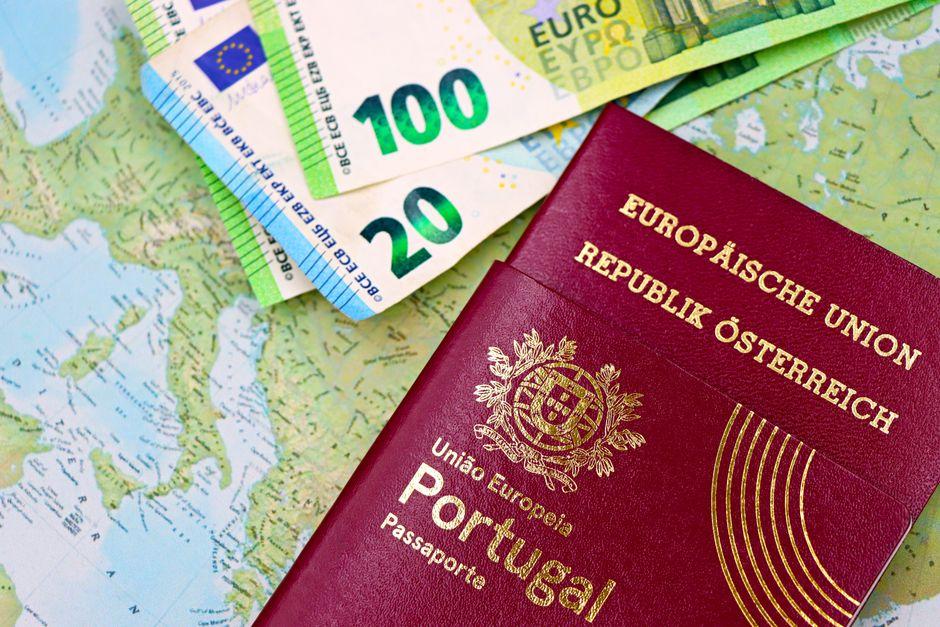
Voyage of Value: Rethinking Passports as Financial Instruments Rather Than Freedom Tokens
When evaluating second passports, it’s critical to abandon the romanticized notion that their core value lies primarily in enhanced freedom or sheer mobility. Instead, treating these documents as sophisticated financial instruments offers sharper clarity on their true strategic worth. Yes, a passport opens international doors-but those doors are gateways primarily to economic opportunity, tax optimization, and risk diversification. This reframing forces a more disciplined cost-benefit analysis: how does this passport tangibly improve your global financial portfolio, not just your travel itinerary? Unlike freedom-which is deceptively nebulous-a financial lens demands scrutiny of visa-free access for business hubs, residency rights linked with low-tax jurisdictions, and ease of cross-border asset protection. The passport becomes less a “ticket to anywhere” and more a tailored asset within a broader wealth-management strategy.
However, this perspective also reveals inherent trade-offs often glossed over by popular narratives. The “best” passports for pure travel convenience frequently don’t align with optimal tax or business outcomes. For instance, a Caribbean passport may offer expeditious mobility, but it might lack bilateral tax treaties critical for minimizing corporate tax drag or enabling international banking flexibility. Conversely, European passports might restrict fiscal benefits without genuine global mobility perks due to stringent local tax laws and residency obligations. The ideal strategy? Prioritize passports that complement your existing financial ecosystem, not just those that “look nice” on a travel checklist. Consider these factors as a decision matrix:
| Passport Attribute | Financial Benefit | Mobility Benefit | Potential Trade-Off |
|---|---|---|---|
| Established EU Passport | Access to robust financial markets, strong legal protections | High within Schengen zone | High taxation, stricter residency obligations |
| Caribbean Passport | Tax neutrality, ease of investment | Moderate global reach | Limited bilateral tax treaties, less banking flexibility |
| Middle Eastern Passport | Tax advantages, strategic business hubs | Selective visa-free access | Geopolitical volatility, travel restrictions |
- Recommendation: Prioritize passports aligned with your business goals and tax strategy rather than vanity or superficial freedom metrics.
- Be cautious: Avoid the trap of overemphasizing travel convenience at the expense of fiscal and legal practicality.
- Due diligence: Engage financial experts to toggle between tax codes, investment climates, and geopolitical risks before committing.

The Illusion of Liberty: Unpacking the Hidden Costs Behind Dual Citizenship Dreams
At first glance, dual citizenship markets a seductive promise: unparalleled freedom to live, work, and move with fewer restrictions. However, this freedom is often a carefully curated illusion, glossing over complex burdens that can tether rather than liberate. The “liberty” offered is rarely absolute-it demands navigating conflicting legal systems, tax obligations, and sometimes compulsory military service. Without a nuanced understanding of these trade-offs, what appears as an escape hatch can instead become an entanglement of bureaucratic red tape and unexpected responsibilities. The allure obscures that dual citizenship is as much a financial and diplomatic balancing act as it is a passport to greater mobility.
Consider the hidden costs often ignored in the rush toward a second nationality:
- Tax Complexity: Dual citizens face intricate compliance issues with potentially overlapping tax jurisdictions. Some countries tax based on citizenship rather than residency, creating double reporting burdens or unintended liabilities.
- Legal Conflicts: Different allegiances can lead to conflicting legal duties-inheritance laws or marital rights may clash, complicating asset management and personal affairs.
- Political Sensitivities: In moments of geopolitical tension, dual citizens may find their loyalties questioned, risking visa restrictions or even loss of privileges in one country.
| Aspect | Perceived Liberty | Underlying Reality |
|---|---|---|
| Visa-Free Travel | Unlimited border crossings | Limitations based on geopolitical relations and personal history |
| Tax Obligations | Financial flexibility | Dual reporting, possible double taxation, complex compliance |
| Political Allegiance | Choice and control | Potential questioning, divided loyalties in conflict scenarios |
Before chasing the dream of dual citizenship, it’s imperative to dissect these realities and assess whether the strategic gain outweighs the administrative and emotional costs. A second passport should be viewed less as an unshackling symbol of freedom and more as a sophisticated risk-management tool requiring expert foresight and ongoing vigilance.
Beyond Borders: When Economic Strategy Trumps Idealistic Notions of Mobility
Too often, narratives around second citizenship romanticize the idea of seamless global mobility-painting it as an unambiguous passport to freedom. Yet, this overlooks the strategic calculus that savvy investors and entrepreneurs apply. The reality is that crossing borders is less about unrestricted movement and more about economic leverage: optimizing tax exposure, accessing new markets, and hedging geopolitical risks. Mobility, in this context, becomes a tool rather than a guarantee; it’s a calculated advantage weighted against potential downsides like bureaucratic entanglements or dual taxation dilemmas. Genuine freedom in mobility is rarely absolute; it is largely contingent upon aligning one’s citizenship portfolio with shifting economic and political climates.
Trade-offs are inevitable-and recognizing them is crucial. For instance, a second passport from a Caribbean nation might facilitate visa-free travel to Europe but comes with limited economic benefits or local investment opportunities. Conversely, citizenship through investment in countries with robust financial sectors may impose stringent residency requirements or substantial upfront capital commitments. Instead of chasing passports solely for their travel convenience, the astute approach filters choices through these lenses:
- Fiscal transparency and compliance – How does holding this passport impact global tax obligations?
- Market access vs. residency demands – Does the passport unlock key business hubs without forcing prolonged stays?
- Geopolitical stability – Is the issuing country’s political landscape conducive to safeguarding your assets and freedoms long term?
| Passport Type | Primary Economic Advantage | Typical Residency Requirement | Notable Drawback |
|---|---|---|---|
| Caribbean CBI | Visa-free access to Schengen & UK | Minimal to none | Limited business ecosystem |
| European Golden Visa | Access to EU markets | 6-12 months per year in some cases | High investment threshold |
| Asian Residency Programs | Gateway to emerging markets | Often 3-6 months | Complex bureaucracy |
By disentangling the myth of mobility from the reality of economic strategy, decision-makers can more effectively position themselves for resilience amid uncertainty-recognizing that the true value of a second passport lies not in the romantic ideal of freedom, but in its power to secure practical advantage beyond borders.
The Passport Paradox: Balancing Global Access with Complicated Legal and Fiscal Realities
The allure of a second passport often conjures images of unfettered global mobility and an escape from bureaucratic tangles. However, the reality is a complex matrix where the promise of freedom collides with intricate legal and fiscal entanglements that few fully anticipate. It’s critical to distinguish between the passport as a travel document and the residency or citizenship status it confers. Possessing a second passport does not guarantee the absence of tax obligations, nor does it automatically exempt one from the legal frameworks of the original citizenship. In fact, the pursuit of a second passport without a strategic understanding of these overlaps can lead to unintended financial burdens, including dual taxation and compliance costs, alongside potential conflicts between jurisdictions. Those chasing a second passport must, therefore, weigh these latent liabilities against the perceived benefits of visa-free travel and residency flexibility.
When evaluating the true value of a second passport, one must move past the one-dimensional narrative of “freedom.” Instead, focus should shift to a nuanced appraisal of how it fits into a broader financial and legal strategy. For example:
- Tax Residency vs. Citizenship: Citizenship is permanent, but tax residency can fluctuate. Understanding this difference helps avoid fiscal pitfalls.
- Legal Obligations: Dual citizenship can mean dual legal responsibilities, from military service to reporting and compliance duties.
- Geopolitical Risks: A passport from a seemingly ‘stable’ country today may face restrictions or changes tomorrow, affecting both mobility and legal status.
Trade-offs Table:
| Aspect | Perceived Benefit | Potential Complication |
|---|---|---|
| Visa-Free Travel | Access to multiple countries without visa hassles | Restrictions can be politically driven and volatile |
| Tax Planning | Possible access to favorable tax regimes | Risk of unintentional tax evasion or penalties |
| Legal Protection | Consular support and legal rights abroad | Obligations like military service or legal complexities |
The smart approach is a reconciliation of these realities through sound advice from trusted legal and financial experts, ensuring the pursuit of a second passport is less about romanticized freedom and more about informed, pragmatic financial foresight. This is not merely a lifestyle choice but a sophisticated tool that demands respect for its complexity rather than simplistic idealism.
Passport Pursuits and Portfolio Power: Exploring Savvier Alternatives to Multinational Identity
In an era where international mobility is often commodified, the allure of a second passport as a silver bullet for financial and lifestyle elevation warrants a critical reconsideration. The reality is stark: a second passport is less a licence to unrestricted freedom and more a strategic asset in a nuanced game of geopolitical and fiscal chess. Savvier alternatives-such as targeted residency-by-investment programs, digital nomad visas, and even carefully structured multinational tax residency-often provide more tailored, cost-effective, and pragmatically adaptive solutions. These options typically offer flexible entry and exit parameters without the hefty upfront cost, bureaucratic labyrinths, or moral quandaries tied to citizenship-for-sale schemes. Investing in a diversified portfolio of residencies rather than banking on passive “passport power” hedges exposure to regional political volatility and tax policy shifts far more effectively.
Strategically, the most insightful pursuit involves framing “multinational identity” not as a mere passport collection but as an integrated, agile portfolio of legal residencies, banking jurisdictions, and business bases that together amplify financial foresight and mobility. Here’s a practical contrast:
| Aspect | Second Passport | Savvier Alternative |
|---|---|---|
| Cost | High, upfront payment or investment | Variable, often incremental with residency programs or visa fees |
| Time to Access | Years, due diligence delays | Months or weeks, depending on visa type |
| Legal and Tax Implications | Rigid, with citizenship conferring specific tax obligations | Flexible, can optimize tax residency without forfeiting original citizenship |
- Trade-off awareness: While a second passport offers symbolic permanence, savvier alternatives provide agility, crucial in times of fast-changing immigration and fiscal landscapes.
- Nuanced recommendation: Adopt a layered approach-use residency options to test viability before committing to the deeper financial and identity entanglement a second passport demands.
- Smart distinction: Recognize that international freedom isn’t granted by passports alone; it is engineered through a composite of legal status, financial arrangements, and strategic planning.
In Summary
In the end, the pursuit of a second passport transcends the romantic ideal of boundless freedom. It is, at its core, a calculated strategy-a blueprint of financial foresight designed to safeguard one’s future in an unpredictable world. As borders shift and economies fluctuate, the value of a second nationality lies not just in the open skies it grants, but in the stability, opportunities, and economic agility it secures. In embracing this dual identity, individuals are not merely chasing new horizons; they are thoughtfully crafting a resilient foundation upon which their financial security and peace of mind can firmly stand.




