
In an increasingly interconnected world, the allure of investment citizenship has grown from a niche curiosity to a global phenomenon. Countries from sun-drenched islands to bustling metropolises now open their doors to wealth, offering passports in exchange for capital and commitment. But beyond the glossy brochures and enticing promises lies a complex web of real stories and unexpected hurdles. “Beyond Borders: The Real Stories and Surprising Challenges Behind Countries Offering Investment Citizenship” ventures past the surface, exploring the human experiences, economic impacts, and unforeseen consequences that shape this controversial path to new beginnings. Join us as we navigate the terrain where ambition meets regulation, dreams intersect with reality, and borders blur in pursuit of opportunity.
Navigating Dreams and Realities in the Pursuit of Investment Citizenship
For many, investment citizenship is envisioned as a seamless ticket-to greater mobility, better education for children, or perhaps a safer haven for family. Take Maria, a tech entrepreneur from Brazil who hoped to secure European Union citizenship through a Mediterranean island’s program. Initially, the process sounded straightforward: a validated property purchase, a clean background check, and prompt issuance of a passport within months. Yet, Maria soon hit unexpected roadblocks. Strict residency requirements, subtle paperwork delays, and newly imposed due diligence checks extended her timeline substantially. What was marketed as a fast-track golden visa turned into a test of patience and adaptability. In her case, the lesson was clear: the dream of quick, borderless freedom clashes often with bureaucratic realities, and a willingness to navigate evolving rules is essential.
- Decision Point: Should Maria invest in a slower but more stable citizenship-by-investment program, or persist with the island’s program despite delays?
- Outcome: She chose persistence but hired local legal experts to navigate complexities.
- Lesson: Expert guidance can make or break the experience, transforming frustration into workable progress.
Contrast this with Ahmed, an investor from the Middle East, who pursued citizenship in a Caribbean country famed for fast processing and low residency demands. His expectations of easy access to a “second passport” were partly realized-visa-free travel increased for his family, and investment was secured with minimal hassle. However, the trade-off emerged in subtler ways: limited integration into local society and occasional questions at airport immigration checkpoints due to the country’s heightened global scrutiny under anti-money laundering frameworks. Ahmed’s experience underscores a crucial tension in the investment citizenship landscape: easier access often comes with reputational and practical nuances that can affect daily life and long-term security. For investors like him, ongoing vigilance and clear understanding of each country’s unique socio-political environment become just as important as initial program features.
When Opportunities Meet Obstacles Understanding Complex Legal and Cultural Barriers
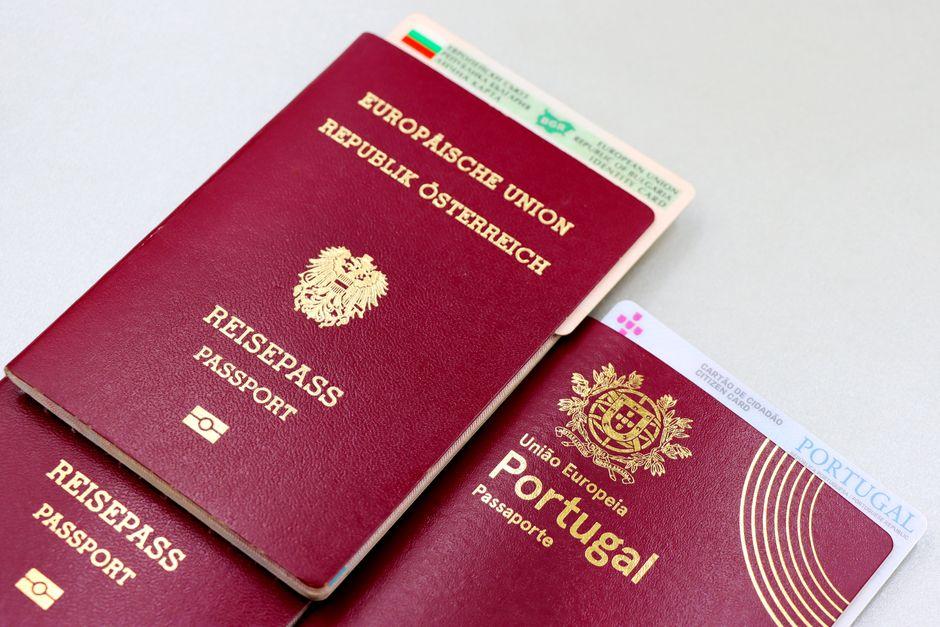
When Maria, a tech entrepreneur from Brazil, first explored the option of acquiring citizenship through investment in Portugal, she imagined a straightforward path: invest, gain residency, then citizenship, all while expanding her business footprint in Europe. However, reality quickly proved more complex. Beyond the financial commitments lay layers of legal subtleties and cultural nuances that neither the glossy brochures nor the initial consultations had emphasized. The documentation requirements alone became a labyrinth-proof of clean criminal records from multiple countries, stringent tax compliance histories, and sometimes even unexpected local government interviews. For Maria, the biggest obstacle was navigating varied interpretations of “economic contribution” within Portugal’s decentralized bureaucracy, which often led to delays and additional paperwork. Her experience underscores a crucial lesson: understanding local legal frameworks and administrative expectations is as vital as the investment itself.
Similarly, Ahmed, who pursued citizenship in a Caribbean nation known for its streamlined processes, faced a different set of challenges-a collision of expectation and reality rooted in cultural dynamics. Initially, he assumed the only hurdle would be meeting financial criteria, but the integration phase revealed subtler barriers. Language differences, local community acceptance, and even implicit biases occasionally complicated Ahmed’s efforts to fully settle and benefit from his new citizenship. In dialogues with immigration officers and community leaders, he learned that legal approval was just one part of the equation; cultural resonance and local trust were equally decisive for long-term success. His story highlights the often-overlooked fact that these programs operate within deeply embedded social contexts, where legal permits do not always translate directly into social acceptance or smooth assimilation.
- Legal Barriers: Varied documentation standards, hidden bureaucratic steps, and complex regulatory environments.
- Cultural Barriers: Language, societal perceptions, and local community integration challenges.
- Key Learning: Investors must prepare beyond paperwork-embracing cultural intelligence and local legal expertise is essential.
| Expectation | Reality | Lesson Learned |
|---|---|---|
| Smooth, time-bound citizenship process | Lengthy delays due to varied legal interpretations and additional govt requirements | Anticipate procedural complexities and seek specialized legal guidance early |
| Investment alone secures full integration | Cultural and social acceptance requires active community engagement | Cultural literacy is key-legal status is a starting point, not the finish line |
Turning Points and Tough Choices Facing Unexpected Consequences on the Path to New Citizenship
For many pursuing investment citizenship, the journey often begins with a clear goal-greater travel freedom, financial diversification, or a fresh start for the family. Yet, the path is rarely linear. Take the case of Elena, a successful entrepreneur from Eastern Europe, who opted for a Caribbean citizenship-by-investment program expecting a swift approval and seamless integration. What she didn’t anticipate was the painstaking due diligence process that stretched over months, punctuated by unexpected requests for documentation and personal interviews. These delays not only tested her patience but also impacted her business engagements abroad. Such turning points serve as vital reminders: timeframes are estimates, not guarantees, and the process demands more persistence and flexibility than many initially expect.
Another common crossroad emerges when new citizens confront unexpected legal and financial complexities back home. Consider Ahmed, who chose a Mediterranean country’s investment option primarily for its tax benefits. After obtaining citizenship, he soon realized that his home country’s tax authorities viewed this move as an attempt to evade taxes, resulting in audits and legal challenges. The stark contrast between his expectations of financial ease and the demanding regulatory scrutiny underscored a critical lesson: thorough tax and legal consultation is non-negotiable before committing. These narratives highlight key decision points where prospective citizens must weigh the immediate benefits against long-term responsibilities and remain vigilant to the nuanced consequences that may surface only after crossing the finish line.
- Expect delays: Approval processes can be lengthier than advertised, requiring patience and readiness for additional requests.
- Legal complexity: Acquiring new citizenship does not automatically resolve home-country obligations; expert advice is essential.
- Financial surprises: Hidden fees and unexpected tax implications may arise, emphasizing the need for comprehensive financial planning.
| Expectation | Reality | Lesson Learned |
|---|---|---|
| Fast and smooth application process | Lengthy vetting and repeated documentation requests | Prepare for extended timelines and maintain flexibility |
| Tax benefits without complications | Home-country tax audits emerged | Consult tax experts before investing |
| Simple legal status upgrade | Complex dual citizenship regulations and compliance | Understand both countries’ laws thoroughly |
Lessons Learned from Diversity Successes and Setbacks Across Different Countries
- Portugal’s Golden Visa program has long been celebrated for its straightforward pathway and vibrant real estate market. Initially, it attracted a wave of investors eager to tap into Southern Europe’s lifestyle. However, policymakers soon faced an unexpected challenge: balancing local housing affordability with foreign investment influx. In Lisbon’s historic neighborhoods, prices soared, sparking backlash from residents. The government’s pivot-to restrict investments in high-demand urban centers and encourage projects in less crowded regions-taught a vital lesson about managing growth without marginalizing communities. Investors learned that opportunity often carries a responsibility beyond returns, highlighting the delicate interplay between economic incentives and social sustainability.
- On the other side of the spectrum, St. Kitts and Nevis’ longstanding citizenship-by-investment program faced reputational hurdles in the wake of increased global scrutiny. Early on, rapid approvals without stringent due diligence led to concerns over transparency and potential misuse. The government’s decision to overhaul vetting processes, including enhanced background checks and stringent compliance, marked a turning point. This reset restored trust but also slowed application volumes temporarily-a trade-off that underlines the tension between speed and security in such programs. Investors and authorities alike realized that maintaining program integrity was as crucial as financial appeal. This episode underscores a broader truth: success in investment citizenship hinges on adaptive governance responsive to shifting geopolitical and economic landscapes.
| Country | Initial Expectation | Unexpected Outcome | Key Lesson |
|---|---|---|---|
| Portugal | Steady influx of real estate investors supporting local growth | Housing market distortion and local resident pushback | Need to balance investment with community impact through targeted policies |
| St. Kitts and Nevis | Quick approvals attracting high volume of investors | Reputation risks due to lax vetting, requiring program overhaul | Security and due diligence are vital for long-term credibility |
Beyond the Passport Comparing Personal Stories to Reveal Broader Economic and Social Impacts
- Maria’s Journey from Opportunity to Reality: When Maria, a tech entrepreneur from Brazil, first heard about investment citizenship programs, she imagined a smooth gateway to new markets and enhanced mobility for her family. Investing in a Caribbean island citizenship appeared straightforward-a simple financial transaction with immediate benefits. However, Maria soon realized the challenges were far more complex. Despite the initial excitement, she encountered bureaucratic delays and unexpected cultural adjustments that tested her patience. What started as a business-driven move unfolded into an intricate personal transformation, reshaping her family’s sense of identity and belonging beyond any passport stamp.
- Contrasting Realities and New Perspectives: Compare Maria’s story to Ahmed, a Middle Eastern investor who viewed citizenship as a form of security amid political instability. While Ahmed expected stability and a fresh start, he grappled with the social implications of integration in his new country, including language barriers and local perceptions of investment citizens. These lived experiences remind us that behind each passport lies a narrative of negotiation-between expectation and reality, between economic advantages and social acceptance. Such stories reveal the nuanced human costs and unexpected benefits in the broader economic and social tapestry shaped by investment citizenship, which numbers and regulations alone can’t capture.
| Case | Initial Expectation | Key Challenge | Lesson Learned |
|---|---|---|---|
| Maria (Brazilian Entrepreneur) | Smooth business expansion and family mobility | Delayed processes, cultural adaptation issues | Citizenship impacts identity and day-to-day life, beyond paperwork |
| Ahmed (Middle Eastern Investor) | Political security and stability | Integration difficulties, social perception challenges | Economic security doesn’t guarantee social acceptance |
Key Takeaways
As the world grows ever more interconnected, the allure of investment citizenship continues to captivate those seeking new horizons, security, and opportunity. Yet, behind the glossy brochures and enticing promises lie intricate realities-legal complexities, ethical debates, and unforeseen challenges that ripple across borders and societies alike. By looking beyond the surface, we uncover not just stories of privilege and ambition, but also the nuanced human experiences and global consequences woven into this evolving phenomenon. In understanding these layers, we equip ourselves to navigate the future of mobility, identity, and belonging with both eyes wide open.




