
In a world where borders often dictate opportunity, the idea of global mobility has become an emblem of power and freedom. Yet, tucked away beneath the radar of mainstream discourse lies a little-known gateway: passport by investment programs. These seemingly straightforward pathways offer more than just a second citizenship; they unlock doors to economic leverage, diplomatic influence, and unprecedented access on the world stage. While governments may not loudly trumpet these options, their quiet existence speaks volumes about shifting notions of sovereignty and privilege. This article delves into why passport by investment is the most underrated shortcut to global power-and explores what authorities might prefer you never discover.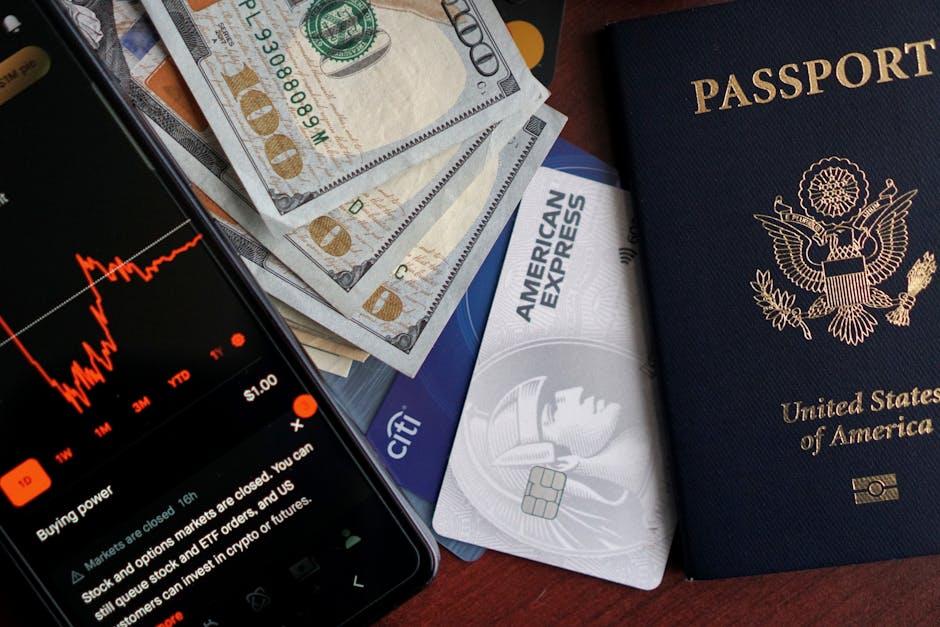
The Untold Shadow Economy Behind Passport by Investment Programs
Passport by investment programs often heralded as transparent gateways for affluent entrepreneurs into new markets, conceal a far less scrutinized reality: their role as *vectors* in a sprawling shadow economy. Beyond the glossy brochures and due diligence checklists lies a complex matrix of financial opacity, regulatory arbitrage, and geopolitical maneuvering that governments prefer to keep under wraps. These schemes are not merely about residency or travel convenience; they become conduits for wealth concealment, tax evasion, and even illicit capital flows. The danger is twofold: while facilitating global mobility for some, they inadvertently *erode sovereign financial controls* and enable a parallel economy where legality blurs with exploitative loopholes. This challenges the simplistic notion that incentives through golden passports purely drive economic development, pointing instead to a delicate balance between attracting investment and safeguarding national integrity.
However, it would be reductive to cast passport by investment programs solely as a shadowy backdoor for the ultra-rich. Some governments have deliberately pivoted towards rigorous vetting processes and multi-layered compliance structures, recognizing that the reputational fallout of lax oversight far outweighs short-term fiscal gains. The key question is how to strike a nuanced equilibrium: capturing genuine, value-adding capital while staunching avenues for illicit transactions. Strategies worth exploring include:
- Dynamic Risk Profiling: Employing AI-driven analytics to continuously monitor and reassess beneficiaries’ risk levels instead of static, one-off due diligence.
- International Cooperation: Aligning passport schemes with global financial transparency standards like the Common Reporting Standard (CRS) and Anti-Money Laundering (AML) frameworks.
- Conditional Residency Frameworks: Introducing enforceable economic contribution metrics rather than simple payment thresholds, embedding social and civic integration indicators.
By shedding the familiar myth that these programs are quick passport mills, policymakers and stakeholders can confront the shadow economy not with knee-jerk bans but with calibrated reforms that preserve the core utility of investment passports while dismantling their underworld enablers.
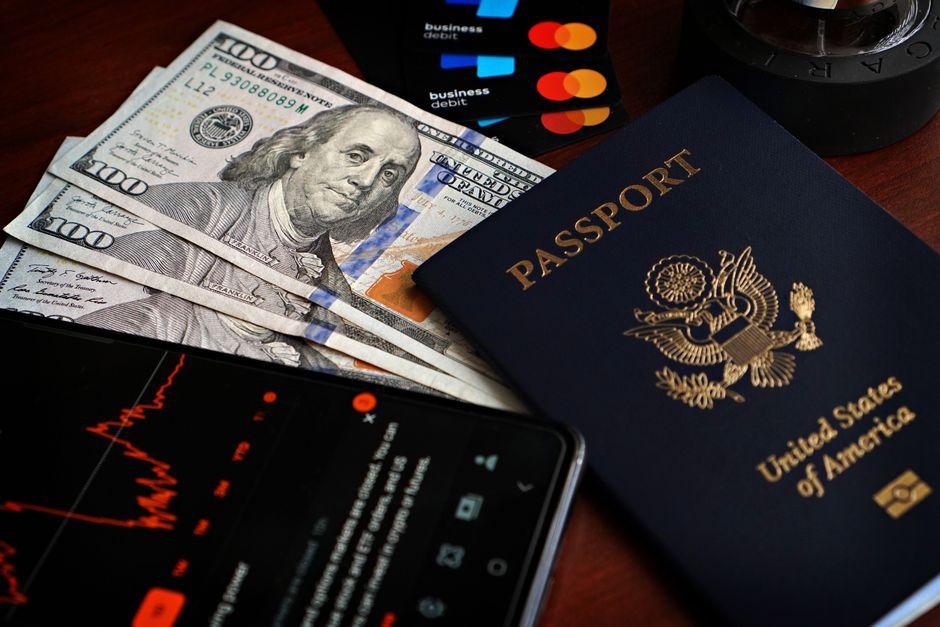
Why the Dream of Instant Global Citizenship Often Masks Strategic Vulnerabilities
Embracing the ideal of instant global citizenship through passport-by-investment schemes often blinds many to the inherent, and sometimes perilous, trade-offs hidden beneath the surface. While the allure of unshackled mobility, expedited access to key markets, and the simplification of complex residency hurdles is attractive, it masks a critical reality: not all passports confer equal strategic value. Governments and savvy investors know that true global power is a composite of diplomatic leverage, economic integration, and security guarantees-factors seldom guaranteed by a transactional passport. For instance, a second citizenship from a smaller jurisdiction might offer visa-free access to select countries but lacks the geopolitical clout to deter potential diplomatic friction or economic volatility. This makes the dream more of a cleverly packaged convenience than a bulletproof global shield.
Moreover, the strategic vulnerabilities embedded in passport-by-investment programs stem from their opaque governance and international perceptions that can trigger reputational risks or sudden policy shifts. The overemphasis on ease of acquisition ignores that global power is also about resilience and adaptive legitimacy, which few instant citizenships provide. Buyers must navigate these complexities by recognizing that:
- Quality trumps quantity: A single passport with robust international respect can outweigh multiple low-quality ones.
- Geopolitical climate matters: Shifts in global alliances can drastically alter the utility of a given citizenship overnight.
- Security scrutiny is intensifying: Increasing global regulatory convergence means some passports face growing restrictions.
| Factor | Passport-by-Investment | Traditional Citizenship |
|---|---|---|
| Acquisition Speed | Months to a year | Years, often decades |
| Geopolitical Leverage | Variable, often low | High, dependent on country |
| Security Stability | Potentially volatile | Generally stable, backed by institutions |
Nuanced investors should therefore approach passport investment not as an ethereal shortcut to global supremacy, but rather as a calculated component of a broader strategy-one that integrates economic diversification, diplomatic engagement, and security planning. Over-reliance on a transactional citizenship without regard for these dimensions risks superficial gains that prove brittle under real-world pressures. It is this often-ignored complexity that governments quietly capitalize on when curating their own citizenship policies.
Rethinking Mobility: When Traditional Diplomatic Routes Outperform Financial Shortcuts
In the race for global mobility, the allure of financial shortcuts like passport-by-investment programs often obscures a crucial reality: traditional diplomatic channels frequently provide a more sustainable and strategically sound trajectory to genuine influence. While monetary routes promise speed, they risk fostering transactional relationships that lack depth and long-term reciprocity. Diplomatic ties forged through history, cultural exchange, and geopolitical alignment cultivate trust and reciprocal advantage-assets mere financial leverage cannot easily replicate or replace. This does not imply that investments are irrelevant; rather, it underscores the trade-off between rapid access and authentic, embedded influence. Governments wary of the volatility and reputation risks inherent in transactional citizenship thus often maintain stricter controls over these programs, privileging diplomatic routes that reinforce national interests without commodifying sovereignty.
- Durability: Diplomatic passports often reflect enduring alliances, whereas investment passports can be revoked amid political shifts.
- Perception: Traditional passports carry prestige linked to historical ties, investment passports risk stigma as “fast-track” commodities.
- Reciprocity: Diplomacy entails mutual obligations and cooperation; investment citizenship can be perceived as one-sided.
| Aspect | Traditional Diplomatic Routes | Passport by Investment |
|---|---|---|
| Longevity | High – tied to national policy and alliances | Variable – subject to political and economic changes |
| Reputation Impact | Positive – signals trust and alliance | Mixed – risk of being viewed as transactional |
| Legal and Political Risk | Lower – embedded in international law frameworks | Higher – vulnerable to sanctions and revocation |
For individuals and states genuinely pursuing expansive, durable global power, the optimal strategy lies not in sidelining traditional diplomatic routes but in integrating the operational agility of investment pathways with the gravitas of established alliances. This nuanced approach values passport-by-investment as a complementary tool rather than a wholesale replacement. Savvy governments leverage these programs selectively to attract targeted capital and talent, while reinforcing traditional diplomatic channels to cultivate genuine influence beyond mere financial transactions. Ultimately, rethinking mobility demands rejecting the oversimplified notion that money alone buys power-success depends on balancing fluid access with solid, principled alliances that withstand geopolitical uncertainties.
Governments’ Quiet Resistance Revealed: The Geopolitical Threat of Citizenship for Sale
Governments’ quiet resistance to citizenship-by-investment (CBI) programs reveals a deeper geopolitical undercurrent that most discussions overlook. While publicly governments champion national security and economic prudence, many perceive these programs as a double-edged sword: they potentially dilute sovereign control over citizenship and complicate diplomatic leverage. This reticence is less about moral opposition and more about strategic caution. Countries fear that unfettered access to their passports could inadvertently empower hostile actors or destabilize sensitive alliances. Yet, dismissing CBI out of hand ignores the nuanced reality that citizenship-by-investment is not a zero-sum game but a complex trade-off between economic opportunity, global influence, and national security agility.
To navigate these competing priorities, governments would benefit from embracing more sophisticated, transparent frameworks rather than outright resistance. For instance, a tiered vetting system-differentiating risk profiles with precision-and tighter post-investment monitoring could mitigate geopolitical vulnerabilities without discarding the strategic value of CBI. Below is a simplified risk-value matrix that illustrates this balance:
| Risk Level | Investment Threshold | Recommended Gov. Action |
|---|---|---|
| Low | High ($1M+) | Fast-track approval with normal scrutiny |
| Medium | Moderate ($500K-$1M) | Enhanced background checks and annual reviews |
| High | Low (<$500K) | Decline or require additional compliance measures |
Such calibrated strategies confront the assumption that citizenship is an all-or-nothing entitlement. Instead, they position citizenship as a dynamic asset that governments can selectively manage-with enhanced geopolitical awareness-rather than a liability to be outright rejected. This mindset shift is paramount for harnessing CBI’s latent power without succumbing to its geopolitical pitfalls.
Beyond Luxury and Convenience: The Complex Trade-Offs of Buying Your Way to the World Stage
Purchasing a passport often conjures visions of seamless luxury and untouched privilege-a golden ticket to visa-free travel and discreet financial havens. However, this narrative oversimplifies a far more intricate reality. The decision to buy citizenship is not a mere transaction of convenience or status; it is a calculated bet that navigates complex geopolitical winds and ethical crossroads. While many champion it as the ultimate global power hack, few acknowledge the nuanced friction it introduces between national sovereignty and individual mobility. Indeed, governments’ reticence to embrace and transparently regulate passport-by-investment schemes often stems from the uncomfortable tension they create: on one side stands the promise of economic stimulus and diplomatic diversification, on the other, the risk of reputational damage and regulatory vulnerabilities exploited by illicit actors.
Investors and states alike must weigh these multifaceted trade-offs with precision. The allure of dual citizenship as a strategic asset-offering expanded business horizons, tax advantages, and crisis escape routes-must be balanced against potential geopolitical backlash and social perception challenges. For instance, several countries have begun tightening scrutiny on naturalization policies, wary of diluting national identity or inviting sanctions that could arise from being perceived as “passport factories.” A pragmatic approach involves not just chasing the most accessible passport but assessing:
- Long-term legal stability: Are the investor protections guaranteed, or could citizenship be revoked or legislated away under political shifts?
- Reputational capital: Does the passport hold real diplomatic clout, or does it come with a baggage of suspicion around “easy citizenship” schemes?
- Alignment with personal/global risk appetites: How does the choice resonate with one’s ethical stance amidst growing global debates about migration, sovereignty, and fairness?
| Aspect | Common Perception | Nuanced Reality |
|---|---|---|
| Ease of Access | Quick and hassle-free path | Often complex vetting and political considerations |
| Global Mobility | Unlimited and privileged travel | Visa freedom varies; geopolitical shifts impact access |
| Economic Benefit | Immediate financial gain for host country | Long-term economic integration challenges |
In sum, buying a passport demands a discerning mindset that transcends superficial appeal. It is a strategic decision deeply intertwined with changing global orders, regulatory landscapes, and evolving notions of citizenship itself. Recognizing and acting on these subtleties can transform what appears as a luxury purchase into a thoughtfully engineered global power move.
The Conclusion
In the intricate chessboard of global influence, passport by investment quietly stands as an underestimated gambit-one that grants more than just borders crossed; it opens doors to opportunity, security, and leverage beyond traditional means. While governments may tread carefully in revealing its full potential, savvy individuals recognize that this approach is more than a shortcut-it’s a strategic key to unlocking a world otherwise confined by geography and politics. As conversations around citizenship evolve, perhaps it’s time to rethink the value of this silent power play and its profound implications for the future of global mobility and influence.




