
In an era where borders blur and opportunities transcend geography, the quest for financial freedom and security has taken on an exciting new dimension. Enter the “Passport for Investment”-a dynamic strategy that is rapidly reshaping how global wealth architects build and protect assets across continents. More than just a travel document, these passports represent gateways to economic flexibility, strategic diversification, and elevated lifestyles. As savvy investors seek ways to navigate the complexities of an interconnected world, the “Passport for Investment” emerges not merely as a bold choice, but as the new frontier in crafting resilient and expansive wealth portfolios. This article explores why this innovative approach is capturing the attention of the world’s most discerning financial planners and how it is redefining the rules of global wealth management.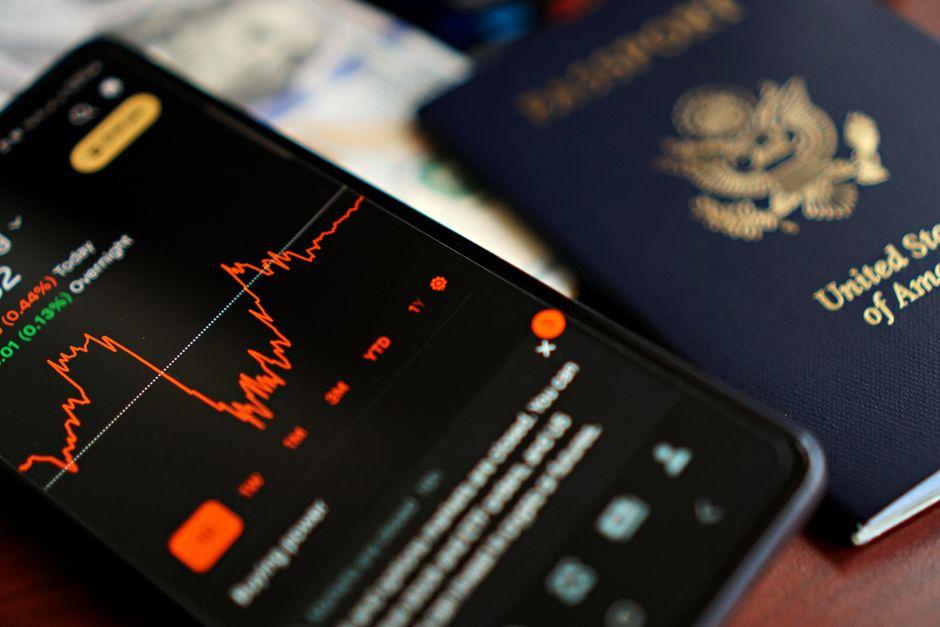
Rethinking Global Mobility Beyond the Passport for Investment Hype
Simply equating global mobility with passport strength overlooks a critical transformation in how astute investors approach international freedom. The traditional narrative celebrates visa-free travel as the ultimate prize, but savvy wealth architects recognize this as an oversimplification that can mask hidden vulnerabilities. A passport’s allure often fades under scrutiny, especially when the underlying political or economic stability is ignored. Instead, the emphasis should shift toward a broader portfolio of mobility assets – including residence permits, dual citizenship opportunities, and digital identity frameworks – which collectively offer a richer, more resilient form of cross-border access. This recalibrated lens reframes mobility as an ecosystem of strategic choices, where flexibility and adaptability trump simple rankings.
Trade-offs are unavoidable, and not all passports or investment programs deliver equal value when measured against real-world contingencies. For example, chasing a “top-tier” passport can result in overpayment or exposure to geopolitical risks if the issuing country lacks economic robustness or transparency. Conversely, investing in lesser-known but politically stable jurisdictions may yield lower immediate prestige but grant superior long-term access to regional markets and business ecosystems. To navigate this complexity, wealth architects should prioritize:
- Legal clarity: Verify how laws around taxation, repatriation, and succession interact with residency options.
- Asset protection: Assess whether citizenship or residency accords meaningful shield against political confiscation or economic turmoil.
- Integration potential: Evaluate social, cultural, and economic inclusion prospects rather than merely travel convenience.
| Passport Criterion | Common Perception | Nuanced Reality |
|---|---|---|
| Visa-Free Access | Defines ultimate mobility | Important but insufficient without stability and integration options |
| Economic Stability | Often secondary in decision-making | Critical for sustainable wealth preservation and market access |
| Legal Frameworks | Usually overlooked | Determines practical utility of mobility rights and protections |
In other words, wealth strategists must look beyond mere passport rankings and instead architect a sophisticated mobility strategy that balances prestige with pragmatism, optimizing for an unpredictable global landscape rather than chasing ephemeral investment hype.

The Unseen Costs and Complexities Behind Gaining Residency Through Capital
While the allure of residency-by-investment programs lies in their promise of swift and relatively straightforward pathways to global mobility, the reality is far more intricate and, in many cases, costly beyond the headline price. A crucial oversight among investors is the assumption that capital outlay equals clear-cut residency benefits. The process often entails hidden layers of compliance costs, from exhaustive due diligence and legal consultations to mandatory local taxes and ongoing residency maintenance fees. Ignoring these can transform what seems like a lucrative financial move into an unexpected fiscal drain. Furthermore, geopolitical shifts and tightening regulatory frameworks mean that favorable programs can become inaccessible or lose their benefits almost overnight, demanding a dynamic, well-informed approach rather than a “set-and-forget” investment.
The complexities extend beyond finances into the qualitative realm of lifestyle integration and long-term value. Residency through investment should not be reduced to a mere transactional formality; it requires a discerning evaluation of regional stability, quality of life, and the potential for genuine socio-economic participation. Not all programs provide equal access to family members, labor markets, or education systems, and some impose residence requirements that challenge the very freedom they promise. For savvy global wealth architects, the trade-off is clear: immediate access versus sustainable integration. The following table briefly differentiates key factors between popular jurisdictions to guide a more nuanced selection process:
| Jurisdiction | Upfront Investment | Residency Requirement | Family Inclusion | Tax Implications |
|---|---|---|---|---|
| Portugal | €350,000 – €500,000 | 7 days/year minimum | Spouse + minor children | Non-habitual resident tax regime |
| St. Kitts & Nevis | $150,000 donation | None | Spouse + dependents | No income tax |
| Malta | €600,000+ investment | 12 months in 3 years | Spouse + children + parents | Global taxation applies |
Ultimately, the real cost of gaining residency through capital investment transcends the upfront numbers and demands a strategic balance between immediate access, legal permanence, and lifestyle authenticity. Investors must diligently weigh the explicit and implicit trade-offs, recognizing that a premium program with stringent requirements may offer greater long-term value than a cheaper, less integrated alternative. Adopting this selective lens-not promotional hype-turns the investment from a mere document chase into a truly global wealth architecture strategy.
When Buying Access Is Not a Shortcut to Genuine Global Citizenship
Purchasing citizenship through investment programs is often positioned as a direct ticket to global mobility, economic freedom, and an elevated social status. However, confounding legal access with authentic global citizenship is a superficial interpretation that overlooks deeper socio-cultural and civic dimensions. Genuine global citizenship embodies more than the ability to travel visa-free or diversify one’s portfolio internationally; it requires meaningful engagement with multiple communities, an understanding of cross-border responsibilities, and a commitment to contributing value beyond financial capital. The danger lies in equating transactional citizenship with *real* belonging, which risks trivializing identity and reducing a complex, evolving relationship into a mere commodity exchange.
To navigate these nuances smartly, investors must make strategic trade-offs. While a second passport offers unparalleled practical advantages like tax planning, estate diversification, and geopolitical risk mitigation, it rarely substitutes for authentic integration or global reputation enhancement. Instead, the pursuit of “passport for investment” should be complemented by:
- Intentional community-building and cultural literacy efforts in the new country
- Active contributions to social and economic ecosystems beyond monetary investment
- Balanced expectations about the limitations of ‘instant’ citizenship pathways, particularly regarding long-term acceptance and local networks
| Aspect | Bought Citizenship | True Global Citizenship |
|---|---|---|
| Access Level | Legal privileges, travel freedom | Multifaceted rights and responsibilities |
| Cultural Integration | Minimal to none by default | Deep engagement and understanding |
| Social Perception | Often viewed skeptically | Respected and earned over time |
In short, the value proposition of citizenship-by-investment should be positioned realistically-as an enabler rather than a shortcut. It can catalyze global ambition but demands complementary investments in time, cultural capital, and social contributions to elevate mere legal status into genuine global citizenship.
Balancing Risk and Reward in the Emerging Market of Investment Passports
The allure of investment passports lies in their promise of enhanced mobility and diversified global access, but their emerging market status calls for a discerning approach. The most successful wealth architects recognize that the value proposition of these passports is not linear; it hinges on a dynamic interplay between geopolitical stability, regulatory transparency, and economic viability. Blindly chasing the “golden visa” label overlooks critical variables such as the long-term fiscal health of the issuing country and the evolving international scrutiny around due diligence practices. For instance, while Caribbean investment passports offer expedited processing times and tax advantages, they may lack the global visa-free reach of European or Middle Eastern counterparts. This trade-off necessitates a granular evaluation beyond headline perks, demanding investors to weigh immediate convenience against sustainable geopolitical leverage.
Balancing risk and reward requires a multidimensional risk framework that transcends conventional cost-benefit analyses. Savvy investors should prioritize passports embedded within jurisdictions that demonstrate robust legal protections for foreign investors, enforceable citizenship rights, and resilient economic policies able to withstand global shocks. Additionally, emerging regulatory reforms targeting money laundering and tax evasion increasingly color the landscape, urging a proactive stance on compliance risks. Below is a succinct differentiation of key considerations to aid calibration:
| Aspect | High-Risk, High-Reward | Lower-Risk, Moderate-Reward |
|---|---|---|
| Geopolitical Stability | Emerging economies with volatile political climates | Established democracies or stable constitutional frameworks |
| Global Mobility | Limited visa-free access focused on regional travel | Extensive visa-free networks including major western economies |
| Transparency & Compliance | Less stringent vetting; potential exposure to sanctions or blacklists | Stringent due diligence with clear regulatory frameworks |
- Recommendation: Prioritize passports that blend mobility with regulatory integrity rather than defaulting to lowest entry-cost options.
- Strategic Distinction: Treat investment passports as dynamic portfolio components-subject to re-evaluation as geopolitical and compliance landscapes shift.
Alternative Strategies for Building Cross-Border Wealth Without Financial Gateways
While “passport for investment” programs garner significant attention for their allure of seamless entry and legal footholds, alternative strategies for cultivating cross-border wealth often offer greater resilience and flexibility-if executed with intentionality. Relying solely on financial gateways like citizenship-by-investment can be myopic, overlooking the subtler but equally potent mechanisms such as establishing non-resident business entities, leveraging global tax treaties, or deploying diversified real estate portfolios in emerging markets. Each pathway entails trade-offs regarding liquidity, regulatory exposure, and geopolitical risk; for instance, non-resident business entities may provide operational agility but often come with heightened compliance overhead. The savvy architect recognizes that an integrated approach, combining bespoke structures with careful jurisdictional consideration, typically yields a more durable wealth foundation than any single “passport” solution.
Disrupting conventional assumptions around cross-border wealth accumulation means re-evaluating where value is truly unlocked. It’s no longer sufficient to equate “access” with physical presence or citizenship status; instead, strategic entry points increasingly include digital nomad visas, permanent resident permits tied to innovation hubs, and targeted investment vehicles in fintech or sustainable infrastructure. Below is a distilled comparison of select strategies, revealing nuanced advantages often overshadowed by the marketing hype of passports:
| Strategy | Liquidity | Regulatory Complexity | Geopolitical Risk | Recommended Use-Case |
|---|---|---|---|---|
| Non-Resident Business Entities | Medium-High | High | Medium | Entrepreneurs seeking tax optimization and market access without residency |
| Digital Nomad & Innovation Visas | Medium | Medium | Low | Professionals needing mobility with legal legitimacy but not full citizenship |
| Diversified Real Estate in Emerging Markets | Low-Medium | Medium | High | Long-term wealth preservation and local economic participation |
Ultimately, discerning global wealth architects must reject the simplistic notion that a passport alone equals power. Instead, the mastery lies in orchestrating layered strategies that embrace complexity and anticipate shifting political landscapes-because in a world where the definition of “border” is evolving, wealth built on adaptable frameworks will always outlast that confined to a single document.
In Retrospect
As the world grows ever more interconnected, the quest for financial security and strategic mobility leads savvy investors to innovate beyond traditional borders. “Passport for Investment” programs have emerged as a compelling frontier, blending opportunity with foresight, and transforming the way global wealth architects build and protect their legacies. In embracing this new landscape, investors are not just acquiring documents-they’re unlocking gateways to diversified assets, enhanced lifestyle choices, and a future defined by flexibility. While the path may be complex, the rewards are proving well worth the exploration, marking a pivotal chapter in the evolving story of global wealth management.




