
In an increasingly interconnected world, the concept of nationality is evolving beyond simple definitions tied to a single country. People today often find themselves weaving together multiple cultural identities, legal ties, and allegiances, giving rise to the fascinating phenomenon of multi nationality. But what does it truly mean to be multinational? How does this complex status work in practice, and what potential benefits does it offer to individuals navigating the global landscape? This article delves into the multifaceted nature of multi nationality, exploring its legal frameworks, practical implications, and key advantages, inviting readers to gain a clearer understanding of this modern-day identity mosaic.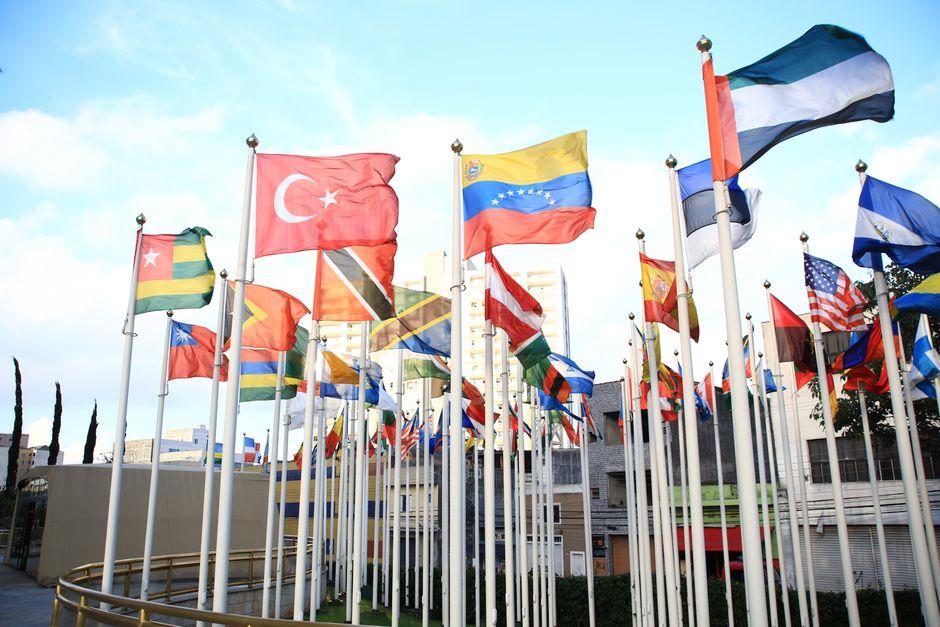
Exploring the Concept of Holding Multiple Nationalities and What It Entails
Holding multiple nationalities, often referred to as dual or multiple citizenship, means that an individual is legally recognized as a citizen by two or more countries at the same time. This status grants the person rights and responsibilities in each nation, such as voting, working, and accessing public services. However, the nuances can vary widely depending on the countries involved. For example, some countries allow unrestricted multiple citizenships, while others may require renouncing previous citizenships upon naturalization. Understanding these differences is crucial, as they affect travel freedoms, taxation obligations, and eligibility for government benefits or conscription. Additionally, holding multiple nationalities can complicate legal matters-including inheritance laws and criminal jurisdiction-since each country’s rules might apply simultaneously.
Exploring the benefits highlights why many seek multiple nationalities. Key advantages include:
- Enhanced mobility: Citizens enjoy visa-free or visa-on-arrival access to a broader range of countries, easing international travel and business.
- Economic opportunities: Access to diverse job markets, business environments, and social welfare systems can improve financial stability and growth.
- Cultural and familial connections: Retaining ties to ancestral homelands while integrating into new societies supports identity and personal well-being.
However, challenges such as double taxation, complex legal responsibilities, and potential diplomatic conflicts often require careful navigation. It’s advisable to consult immigration experts or legal advisors to understand the specific implications based on your nationalities. The following table illustrates some common comparisons between single and multiple nationality holders:
| Aspect | Single Nationality | Multiple Nationalities |
|---|---|---|
| Travel Flexibility | Limited to one passport’s reach | Access to multiple passports with varied visa privileges |
| Legal Obligations | Subject to one country’s laws exclusively | Must comply with legal frameworks of all nationalities held |
| Taxation | Taxed by a single country | Potential for dual taxation; requires careful planning |
| Civic Participation | Voting and political rights in one country | Rights in multiple countries, but may need to manage conflicts |

Navigating the Legal and Cultural Complexities of Multi National Citizenship
Managing multi national citizenship requires a clear understanding of the legal frameworks in each country involved. Laws around dual or multiple citizenship vary widely: some nations permit unrestricted multiple citizenships, while others impose strict limitations or outright prohibit them. These legal differences affect everything from taxation to military service obligations and eligibility for public office. For example, a person holding dual citizenship in the U.S. and Japan must navigate Japan’s more restrictive stance on dual nationality, which often requires choosing one nationality after reaching adulthood. Knowing these nuances helps prevent legal conflicts, such as loss of citizenship, double taxation, or unintended repercussions related to national loyalty or security clearances.
On the cultural side, multi national citizenship often entails balancing differing national identities, customs, and societal expectations. This can bring enriching experiences but also challenges like social integration and maintaining a coherent personal identity. Those with multiple citizenships might face questions about allegiance or experience cultural disconnects in familial or professional contexts. Practical advice includes:
- Building cultural literacy to appreciate and respect the values and traditions of each nation.
- Consulting immigration and legal experts to stay compliant with all citizenship-related requirements.
- Planning financial and tax obligations proactively to avoid penalties and optimize benefits from diverse legal systems.
| Country | Citizenship Policy | Common Legal Consideration |
|---|---|---|
| United States | Allows multiple citizenship | Tax obligations on worldwide income |
| Germany | Restrictive; generally requires renouncing other citizenships | Limited exceptions for EU citizens |
| Canada | Permits multiple citizenship | Must maintain residency to keep rights |
Unpacking the Surprising Benefits and Challenges of Being a Multi National
Being multinational-holding citizenship in more than one country-offers a unique blend of opportunities and challenges that extend beyond mere legal status. Among the most celebrated benefits is enhanced global mobility, which allows individuals to travel, work, or reside in multiple countries without the usual visa restrictions. This freedom often translates into improved career prospects, access to diverse educational systems, and the ability to engage with various cultures on a deeper level. Additionally, multinationals frequently enjoy financial advantages, such as tailored tax planning possibilities and access to social services from more than one nation. However, maintaining multiple citizenships also requires maneuvering complex legal landscapes, including navigating dual tax obligations or conflicting national responsibilities such as compulsory military service or voting rights. Understanding these nuances is crucial to maximizing the benefits while minimizing unintended complications.
Common challenges faced by multinational individuals revolve around identity management and bureaucratic compliance. For example, staying updated on each country’s immigration laws, passport renewals, and civic duties can become time-intensive and confusing-particularly when regulations change abruptly. There are also emotional and social dynamics to consider, such as feeling divided loyalty or managing expectations from different cultural backgrounds. A practical approach for those considering or already living multinational lives includes:
- Regular legal consultations: To stay informed about evolving citizenship laws and tax treaties.
- Organized record-keeping: Keeping documentation like passports, birth certificates, and tax records accessible and up-to-date.
- Cultural integration efforts: Engaging actively with each community to build meaningful connections and avoid cultural isolation.
| Benefit | Associated Challenge |
|---|---|
| Unrestricted travel between multiple countries | Complex visa and residency rules for third countries |
| Expanded employment opportunities | Potential double taxation or conflicting workplace laws |
| Access to diverse education systems | Different qualification recognition standards |
| Multiple social security or health benefits | Eligibility verification and contribution coordination |
Key Considerations for Choosing and Managing Multiple Nationalities Responsibly
Choosing to acquire and maintain multiple nationalities involves more than the excitement of new passports; it requires a strategic approach to comply with legal frameworks and maximize benefits. First, understanding the specific requirements and restrictions of each country’s nationality laws is crucial, as some nations allow dual or multiple citizenships while others impose strict limitations or require renunciation of previous citizenships. Additionally, tax obligations can become complex; individuals must evaluate how multiple nationalities impact their tax liabilities, reporting duties, and potential benefits such as tax treaties or exemptions. Residency obligations also play a role-some countries may require physical presence for citizenship retention or renewal of passports. Ultimately, responsible management means staying informed about the ongoing legal, financial, and civic responsibilities in each country to avoid inadvertent legal complications.
When managing multiple nationalities, it’s important to weigh the advantages against potential challenges. Benefits often include greater travel freedom, access to multiple social services, business opportunities, and cultural connections. However, differing legal systems can lead to conflicts, especially in matters like military service, voting rights, and inheritance laws. To navigate these complexities, consider maintaining an organized record of passport expiration dates, tax filings, and compliance deadlines. Consulting immigration and tax professionals familiar with multi-nationality issues is highly recommended to tailor strategies effectively. Below is a summary of practical considerations:
| Consideration | Key Points |
|---|---|
| Legal Compliance | Understand dual/multiple citizenship laws and obligations in each country |
| Tax Responsibilities | Evaluate tax filings, treaties, and potential double taxation issues |
| Travel and Residency | Track passport validity and residency requirements to maintain rights |
| Civic Duties | Be aware of obligations like military service, voting, and legal compliance |
Common Misunderstandings About Multi Nationality and How to Approach Them
One common misunderstanding about multi nationality is that it implies holding multiple passports simultaneously with full, unrestricted benefits in each country. While multi nationality does allow individuals legal ties to more than one nation, the reality is often more complex due to differing laws on dual citizenship. Some countries recognize and accommodate multiple nationalities, offering holders rights such as voting, work, and social benefits, while others impose restrictions or even revoke citizenship if a second nationality is acquired. It’s also important to distinguish multi nationality from dual citizenship, as some individuals may hold nationality without having full citizenship rights everywhere. To navigate these nuances, always check the specific policies of involved countries and consider how multi nationality might impact obligations like taxation, military service, or legal residency.
Another frequent misconception is that multi nationality automatically simplifies international travel or business transactions. While having multiple nationalities can indeed ease visa requirements or open business opportunities, challenges arise around diplomatic protections and conflicting legal systems. For instance, a multinational individual may find themselves subject to laws from all their countries of nationality, which can occasionally conflict. Additionally, some governments do not recognize other passports held by their nationals, potentially limiting consular support abroad. To approach these realities effectively, multi nationals should keep clear records of each nationality’s rights and responsibilities, consult legal experts when necessary, and adopt a proactive mindset in managing the complexities that come with their unique status.
To Wrap It Up
In a world increasingly interconnected, understanding multi nationality offers us a lens through which to see the blending of cultures, legal systems, and personal identities. It is more than a legal status; it is a bridge linking diverse experiences and opportunities across borders. By unpacking what it means, how it functions, and the advantages it brings, we gain not only practical knowledge but also a deeper appreciation for the complexities of belonging to multiple nations. Whether viewed as a passport to freedom or a challenge to navigate, multi nationality stands as a testament to our globalized era-one where the lines of identity continue to expand and evolve in fascinating ways.




