
In an increasingly interconnected world, the concept of citizenship has evolved beyond the traditional boundaries of a single nation. Triple citizenship-a status where an individual holds legal allegiance to three countries simultaneously-is no longer a rare or purely theoretical notion. As global migration, multicultural identities, and transnational ties become more common, understanding the complexities of triple citizenship is essential. This article delves into the benefits and challenges of holding three passports, explores how various countries recognize and regulate multiple citizenships, and sheds light on what it truly means to navigate life as a citizen of three worlds. Whether driven by family heritage, career opportunities, or personal choice, triple citizenship opens doors to new possibilities-and raises important questions about identity, loyalty, and legal rights in a globalized era.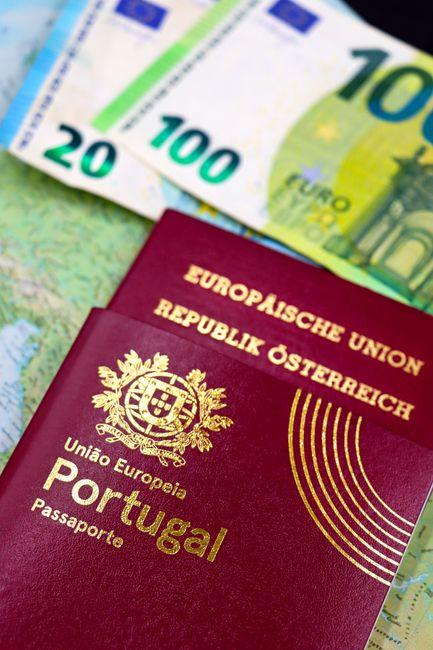
Exploring What Triple Citizenship Means Across Different Countries
Triple citizenship refers to the legal status of an individual who holds nationality from three different countries simultaneously. While the concept might sound straightforward, the rules governing triple citizenship vary widely depending on each country’s laws, which can significantly affect the rights and responsibilities of such individuals. Some nations actively permit multiple citizenships, recognizing the global nature of modern life, while others impose restrictions or require renunciation of prior citizenships upon acquiring a new one. For example, countries like Canada and the United Kingdom are generally tolerant of multiple citizenships, allowing triple citizenship without major legal consequences. Conversely, countries such as Japan and China typically prohibit dual or multiple citizenships, which can create challenges for those seeking triple citizenship. Understanding these legal nuances is essential before attempting to acquire or claim triple citizenship.
Individuals seeking or holding triple citizenship often consider the practical benefits and potential complications involved. Among the key advantages are:
- Enhanced travel freedom: Multiple passports can ease visa requirements and offer access to a wider range of countries.
- Expanded work and residency rights: Triple citizens may work, study, or live in each country without immigration barriers.
- Broader access to social services and legal protections: Eligibility for healthcare, voting rights, and property ownership may extend across the three nations.
However, there are notable challenges to manage, including the possibility of:
- Compulsory military service: Some countries require citizens to fulfill military duties, which can be complex when multiple nationalities are involved.
- Tax obligations: Triple citizens might face complicated tax filing requirements and potential double taxation, depending on bilateral tax treaties.
- Conflicting legal responsibilities: Divergent laws in areas such as inheritance, criminal justice, or administrative duties can pose risks.
| Country | Attitude Towards Triple Citizenship | Key Notes |
|---|---|---|
| Canada | Permissive | Allows multiple citizenships without requiring renunciation. |
| Germany | Conditional | Generally restricts multiple citizenships but makes exceptions. |
| Japan | Restrictive | Requires citizens to choose one nationality before age 22. |
For those considering triple citizenship, thorough research and professional legal advice are highly recommended to navigate complex requirements and avoid unintended consequences. This careful approach ensures that the benefits of holding triple citizenship are maximized while minimizing problems related to eligibility, residency, and compliance across borders.
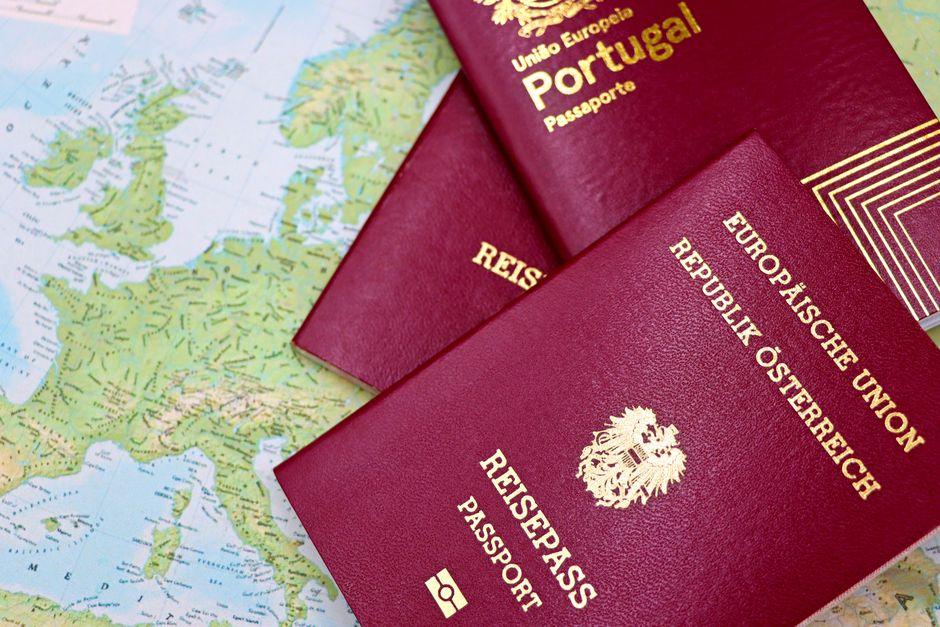
The Unexpected Advantages That Come With Holding Multiple Passports
Holding multiple passports, especially triple citizenship, unlocks unexpected advantages that go far beyond simple international travel convenience. For example, it can significantly enhance your global mobility by allowing visa-free or visa-on-arrival access to a broader range of countries, often opening doors to regions otherwise restricted under a single nationality. Beyond travel, multiple passports offer financial flexibility; individuals can benefit from favorable tax regimes, diversified banking options, and investment opportunities across different legal jurisdictions. Additionally, having access to multiple healthcare and social security systems can be a critical safety net, particularly in times of crisis or economic instability in one’s country of origin.
In terms of legal and personal freedom, multiple citizenships can serve as a form of political and social security. If instability or drastic policy changes occur in one country, you have the option to relocate or maintain rights elsewhere without jeopardizing your legal status. Moreover, possessing triple citizenship can ease family reunification, education access, and business ventures by leveraging multiple sets of rights and privileges. However, while multiple passports provide diverse strategic advantages, it is crucial to stay informed about each country’s laws regarding taxation, mandatory military service, or any obligations that might arise. The following table summarizes key unexpected advantages commonly tied to triple citizenship:
| Advantage | Description |
|---|---|
| Broader Visa-Free Travel | Access to more countries without needing visas, easing tourism and business trips. |
| Financial Diversification | Multiple banking, investment, and tax planning options across jurisdictions. |
| Legal Safety Net | Alternative residence and citizenship in case of political, social, or economic instability. |
| Social and Healthcare Benefits | Access to healthcare, education, and social programs in multiple countries. |
| Business and Family Flexibility | Simplifies cross-border business dealings and family reunification processes. |
Navigating the Complex Challenges Faced by Triple Citizens
Triple citizenship presents unique and often complex challenges that go beyond the typical dual citizenship obstacles. One of the most pressing issues involves legal conflicts and overlapping obligations. Triple citizens must navigate multiple legal systems simultaneously, each with its own requirements for taxation, military service, and civic duties. For example, countries may impose mandatory military service on their citizens, which can create conflicting responsibilities for someone holding three nationalities. Additionally, tax laws can become particularly cumbersome, as some countries tax citizens on worldwide income while others do not, requiring careful planning to avoid double or even triple taxation. Understanding each country’s specific requirements and how they intersect is critical to maintaining compliance and avoiding legal pitfalls.
Another significant challenge is passport and travel management. Holding three passports can offer considerable travel freedom, but it also demands careful attention to visa requirements, entry/exit regulations, and potential political tensions between the involved countries. For instance, some nations may not recognize dual or triple citizenship, leading to situations where travelers must use a particular passport in specific contexts. This can complicate not only international travel but also residency rights and consular protection abroad. To mitigate these issues, triple citizens should:
- Keep detailed records of each country’s citizenship rules and obligations
- Consult with immigration and tax professionals specializing in multi-national matters
- Regularly update documents and understand when to disclose each nationality
- Be aware of potential risks related to political conflicts or changing citizenship laws
| Challenge | Description | Suggested Action |
|---|---|---|
| Tax Obligations | Multiple systems taxing worldwide income can create double or triple taxation | Engage a tax advisor familiar with international treaties and exemptions |
| Military Service | Conflicting conscription laws may impose multiple service duties | Research deferment options and notify respective governments as needed |
| Travel Restrictions | Some passports may be restricted or politically sensitive in certain regions | Plan travel routes carefully and verify entry requirements beforehand |
How to Decide If Pursuing Triple Citizenship Is Right for You
Deciding whether to pursue triple citizenship requires a careful evaluation of your personal circumstances, long-term goals, and the legal frameworks of the involved countries. Triple citizenship means holding legal nationality from three different nations simultaneously, which can unlock diverse travel freedoms, access to social services, and expanded work or residence rights. However, it also entails navigating varied tax obligations, potential military service requirements, and complex documentation processes. Begin by asking yourself key questions: Do all three countries permit multiple citizenship? Are you prepared to comply with each country’s legal duties, such as filing taxes or fulfilling civic obligations? Additionally, consider whether gaining citizenship in a third country will genuinely provide practical advantages, such as easing business operations, improving educational access, or securing family reunification benefits.
To clarify if triple citizenship fits your lifestyle and objectives, compare the benefits and drawbacks side-by-side. Use the table below to weigh critical factors:
| Factor | Potential Benefits | Potential Challenges |
|---|---|---|
| Legal Restrictions | Expanded rights to live, work, and vote in multiple countries | Some countries may require renunciation or limit multiple citizenship |
| Taxation | Access to varied financial and investment systems | Possible obligations for tax filings or dual taxation agreements |
| Travel Mobility | Visa-free or visa-on-arrival access to more countries | Complex passport management and entry/exit regulations |
Ultimately, if you value flexibility and have strong ties to three countries, triple citizenship can be a strategic asset. Conversely, if the legal and administrative demands outweigh the advantages for your situation, focusing on dual or single citizenship might be more practical. Consulting a legal expert knowledgeable in international nationality law and thoroughly researching each country’s stance on multiple citizenship will help you make a fully informed decision tailored to your unique profile.
Common Misunderstandings About Triple Citizenship Explained
One common misunderstanding about triple citizenship is that it automatically grants individuals unrestricted rights in all three countries. While holding multiple passports can provide increased travel flexibility and access to diverse legal systems, each country’s laws still apply independently. For example, some nations require you to use their passport for entry or exit, regardless of your other citizenships. Additionally, obligations such as taxes, military service, or legal duties can vary widely and may overlap or conflict. This complexity means that triple citizens must stay informed about the specific rules tied to each nationality to avoid unintended legal or financial consequences.
Another frequent misconception involves the idea that triple citizenship is always recognized and permitted worldwide without limitations. In reality, the acceptance of multiple citizenships differs significantly by country. Some countries explicitly prohibit or restrict dual or triple citizenship, which can lead to the automatic loss of citizenship upon acquiring another. The table below highlights how selected countries treat multiple citizenship to clarify these nuances:
| Country | Allows Triple Citizenship? | Key Notes |
|---|---|---|
| United States | Yes | Recognizes multiple citizenships but expects tax compliance. |
| Japan | No | Requires renunciation of other citizenships by age 22. |
| Canada | Yes | Permits multiple citizenships without restrictions. |
| India | No | Allows Overseas Citizenship but not full multiple citizenship. |
Understanding these regulations helps avoid surprises and aids planning when pursuing or using triple citizenship. Seeking professional legal advice tailored to your countries of citizenship is highly recommended for navigating the complex interplay of rights and responsibilities.
To Conclude
In the intricate tapestry of global identity, triple citizenship weaves a complex pattern of opportunity and obligation. As borders blur and the world grows ever more interconnected, understanding the benefits and challenges of holding multiple nationalities becomes essential. From enhanced mobility and cultural richness to legal intricacies and potential conflicts of allegiance, triple citizenship is both a gateway and a balancing act. By exploring how it operates across different countries, we gain insight not only into the privileges it confers but also the responsibilities it demands. Ultimately, navigating triple citizenship requires a thoughtful approach-one that embraces the diversity of the world while respecting the laws and values of each nation involved.




