
In an increasingly interconnected world, the pursuit of a second citizenship has evolved into more than a mere legal formality-it is a profound journey of identity, opportunity, and transformation. Navigating this complex path means crossing borders within ourselves as much as crossing national lines on a map. It challenges individuals to reconcile past and present, homeland and new soil, while unlocking doors to new possibilities. This article explores the intricate process of obtaining a second citizenship, shedding light on the personal and legal dimensions of an endeavor that transcends paperwork, inviting readers to reflect on what it truly means to belong.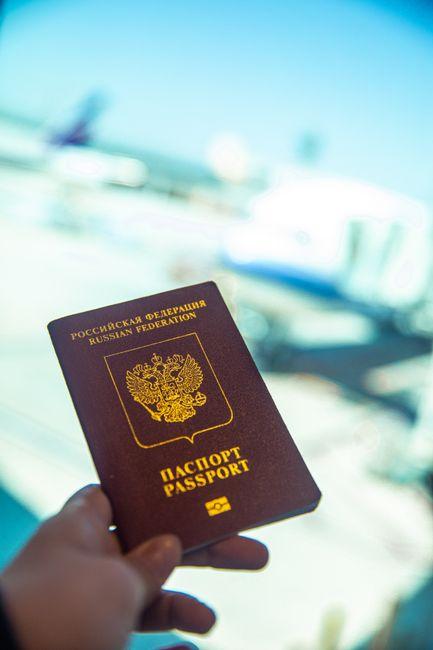
The Quiet Decisions Behind Leaving and Belonging
When Ana finally decided to apply for her second citizenship, the choice wasn’t marked by fanfare or a clear-cut “aha” moment. Instead, it unfolded quietly over countless evenings, balancing hopes with pragmatic concerns. She grappled with questions that many face but rarely voice: *Am I leaving behind a part of myself?* *Will this new passport really open doors, or close others?* Decisions of this kind often feel like a subtle internal tug-of-war-the thrill of new possibilities contrasted sharply with the fear of losing the familiar fabric of identity. Ana recalls sending off her documents with a mix of relief and lingering doubt, her mind racing through scenarios of acceptance celebrations but also the quiet, alone moments that might follow.
Such experiences underline that deciding to belong somewhere new is less about crossing a physical border and more about navigating emotional landscapes. Consider the case of Paul, who expected his second citizenship to be a straightforward ticket to economic freedom. Instead, he found himself wrestling with the responsibilities that came with it: tax obligations, cultural integration, and the nuanced expectations of loyalty. These elements don’t emerge in brochures or official websites but reveal themselves slowly, in everyday realities. It’s worthwhile to reflect on these key contrasts between expectation and reality:
| Expectation | Reality |
|---|---|
| Instantly feeling “at home” in new country | Gradual process with moments of alienation and adaptation |
| Simplified travel and professional opportunities | Complex tax laws and compliance obligations to navigate |
| Clear identity shift or “upgrade” | Blended sense of self, sometimes leading to identity questioning |
- Patience and openness in the adaptation process are crucial.
- Legal and emotional preparedness can ease the transition.
- Recognizing that citizenship is as much about belonging as about rights changes the narrative.
When Paperwork Meets Identity Challenges in a New Land
Maria arrived in her new country full of hope and armed with what she thought was every necessary document-birth certificates, police clearances, and diplomas all securely tucked away in neatly labelled folders. Yet, the moment she stepped into the immigration office, reality set in differently. A single missing apostille on her birth certificate meant weeks of back-and-forth, delays that stretched a seemingly straightforward process. Her story is far from unique; many discover that bureaucracy in a new land isn’t just about having the right papers, but ensuring they meet unfamiliar standards and formats. For example, translating certified documents or obtaining official stamps often involves navigating local offices that don’t communicate in the same language or follow the same procedures, leading to frustrating setbacks and moments of doubt on whether the dream of second citizenship is manageable.
One striking lesson unfolds when applicant expectations meet procedural realities. Take the case of Ahmed, who anticipated a smooth path due to his heritage connection but was confronted with complex identity verification protocols. Authorities required extensive proof of lineage and residency beyond what Ahmed expected, compelling him to gather family records scattered across countries and sometimes unavailable in digital form. This catapulted him into a maze where personal history had to be meticulously reconstructed to satisfy governmental criteria. The journey revealed several crucial challenges:
- Verification Delays: Regulatory bodies often require multiple rounds of verification, stretching timelines beyond initial estimates.
- Document Authenticity: Even legitimate papers must pass stringent authentication which varies greatly across countries.
- Identity Confirmation: Proving identity is not purely documentary-interviews and biometric data frequently add layers of scrutiny.
| Expectation at Start | Reality Encountered | Lesson Learned |
|---|---|---|
| Straightforward document submission | Multiple document rejections due to format issues | Prepare for diverse bureaucratic standards early on |
| Fast processing times | Months-long administrative backlogs | Build patience and have contingency plans |
| Simple identity proofs | Extended interviews and biometric checks | Understand that identity verification is comprehensive |
Stories of Unexpected Friendships and Cultural Bridges
When Anna, a graphic designer from Brazil, decided to pursue citizenship in Portugal, she anticipated challenges related to bureaucracy and language. What caught her off guard, however, were the rich personal connections forged during her residency. At a local community center, she met Miguel, an elderly Portuguese man with limited English skills but a shared passion for storytelling. Their weekly meetings began with language exchanges but soon blossomed into profound cultural exchanges. Anna learned traditional Portuguese songs while Miguel embraced Brazilian rhythms. These interactions transcended language barriers and revealed how citizenship processes often pave unexpected pathways to friendship-bridging not just borders, but also hearts.
In another case, Jamal, a software engineer from Egypt applying for Canadian citizenship, expected a strictly procedural journey. Yet, he found himself thrown into a vibrant multicultural mosaic where formal documents mattered less than the human stories behind them. At a citizenship workshop, he connected with a Syrian family whose entire perception of “home” had been reshaped by displacement. Through conversations, Jamal’s initial focus on paperwork evolved into a deeper appreciation of resilience and identity, teaching him that second citizenship offers more than legal status-it invites participation in diverse narratives that redefine belonging. These moments remind us that friendships and cultural bridges built along the way can be as transformative as the legal recognition sought.
| Name | Country of Origin | New Residency | Unexpected Outcome |
|---|---|---|---|
| Anna | Brazil | Portugal | Cultural mentorship and friendship over language barriers |
| Jamal | Egypt | Canada | Broadened sense of belonging beyond legal status |
Moments that Redefined What Home Truly Means
When Maya first embarked on her journey to acquire a second citizenship, she imagined a swift passage to a place where she’d feel instantly at home. Yet, the reality was textured with unforeseen pauses and introspections. Waiting months for paperwork, navigating cultural nuances, and facing the emotional tug of loyalty to her birth country forced Maya to reevaluate what “home” really meant. It wasn’t the official stamp on her passport but the countless small moments-sharing holiday meals with new friends, struggling through a foreign language at the market, or hearing her children confidently switch between languages-where she found connection and belonging blossoming. These episodes blurred the line between place of origin and place of new roots, showing Maya that home is often less about geography and more about the ties that sustain us, in unexpected ways.
Contrast this with Samir’s experience, which initially mirrored the common expectation of a purely transactional process: change documents, change status, change life. Yet, after receiving his second citizenship, he realized the weight of identity lies beyond legal validation. A meaningful moment came when Samir was invited to speak at a local community center about his cultural heritage. In that space, surrounded by people eager to learn and share, citizenship took on an enriched meaning-it became an invitation to contribute and grow within a new social fabric. His journey highlighted an important lesson often overlooked:
- Legal status is a gateway, not a destination.
- Emotional integration requires time, vulnerability, and openness.
- Home becomes a blend of personal history and present commitments.
| Expectation | Reality |
|---|---|
| Immediate feeling of belonging upon citizenship approval | Belonging developed gradually through relationships and lived experiences |
| Citizenship solely administrative and legal | Citizenship is deeply intertwined with identity and community engagement |
Lessons from Those Who Found Freedom Beyond Borders
Take Ana, a graphic designer from Brazil, who sought a second passport not just for travel convenience but to secure her family’s future amid economic uncertainty. Initially, she believed the application process would be straightforward-submit paperwork, wait, and receive her new citizenship. However, the reality was more complex: delays, unexpected document requests, and navigating legal jargon became a web of frustration. The turning point came during a phone call with a seasoned immigration consultant who emphasized patience and the importance of building local connections, which Ana hadn’t considered before. Through this, she learned that beyond the legal criteria, understanding the cultural and bureaucratic nuances of the destination country was crucial. Her journey teaches us that acquiring a second citizenship often demands flexibility and a willingness to engage with unfamiliar systems on their terms, rather than solely relying on one’s expectations.
Contrast this with Mark, a tech entrepreneur from Canada, who pursued citizenship in Portugal driven by the promise of a lower tax burden and access to the EU market. His enthusiasm initially overshadowed deeper due diligence; he underestimated the residency requirements and the lifestyle adjustments involved. Mark found himself juggling long stays in Portugal with his business operations back home, leading to burnout. The lesson wasn’t just about paperwork-it was about reconciling personal aspirations with practical realities. Mark’s experience highlights key considerations for anyone crossing borders internally:
- Legal vs. Lifestyle Fit: A country’s citizenship laws might be friendly, but adapting to the local way of life often presents the bigger challenge.
- Time Commitment: Citizenship is rarely an instant reward; it’s often a months- or years-long process requiring sustained effort.
- Support Systems: Leveraging networks through local communities, legal advisors, or expat groups can smooth unexpected bumps.
| Aspect | Expectation | Reality |
|---|---|---|
| Processing Time | 6 months | 12+ months with follow-ups |
| Residency Requirements | 6 months per year | Often more, with proof of integration |
| Cultural Adaptation | Minimal effort | Ongoing, emotionally taxing process |
Final Thoughts
In the intricate dance of identity and opportunity, the journey to a second citizenship is less about the borders on a map and more about the boundaries within ourselves. As we navigate the legal frameworks, cultural shifts, and personal transformations, we come to realize that crossing borders within is the most profound expedition of all. Whether driven by ambition, security, or a sense of belonging, the pursuit of another homeland ultimately reshapes not only where we are from, but who we are. In embracing this complex journey, we find that citizenship transcends paperwork-it becomes a living, evolving chapter of our story.




