
In a world increasingly defined by movement and opportunity, the concept of citizenship transcends traditional boundaries, evolving into a dynamic gateway to new possibilities. “Beyond Borders: Navigating Dreams and Dilemmas in Citizenship Investment Countries” explores this intricate landscape where aspirations meet complex realities. As individuals seek not just a passport, but a fresh chapter of life, economic growth, and security, the phenomenon of citizenship by investment unravels stories of hope, challenge, and transformation. This article delves into the nuanced journey of those who cross borders not just physically, but through the strategic acquisition of nationality-unveiling the dreams pursued, the dilemmas faced, and the impact rippling across nations and identities alike.
Charting Personal Aspirations Through Citizenship Investment Pathways
- Maria’s Journey from Uncertainty to Clarity: When Maria, a tech entrepreneur from Brazil, first explored citizenship-by-investment programs, she was primarily looking for a safe haven that would offer visa-free travel to Europe. Her initial excitement, however, quickly gave way to confusion as she juggled options ranging from the Caribbean to Eastern Europe, each with unique investment requirements and timelines. Aware of the immense financial commitment, she mapped out her priorities: not just visa access, but also the stability of the new country’s political environment, quality of life, and potential for future business growth. Maria’s decision-making was refined by speaking to advisors and previous program applicants, which highlighted the subtle but critical distinctions between countries offering seemingly similar passports. Ultimately, she chose a Mediterranean country with a streamlined investment route and robust residency benefits, balancing her desire for mobility with long-term security.
- Lessons from David’s Experience in Weighing Expectations and Realities: David, a middle-aged family man from South Africa, hoped that citizenship through investment would provide his children with expanded educational opportunities abroad. Initially attracted by a Caribbean program promising fast processing times and minimal stay requirements, David didn’t fully anticipate the challenges that would arise post-application-namely, the limited access to top-tier universities despite having the passport. This pivotal learning point led him to reassess his priorities, focusing less on speed and affordability and more on the quality of integration services and recognized international education opportunities. David’s case underscores a critical insight for applicants: weighing programs not just on headline benefits, but also on the nuanced advantages such as community support, schooling networks, and legal protections, which become evident only after deeper exploration or firsthand experience.
| Decision Point | Expectation | Reality / Lesson Learned |
|---|---|---|
| Processing Time | Quick and hassle-free application (David) | Faster approval but limited downstream benefits like education access |
| Investment Amount | Lowest possible investment (Maria) | Slightly higher but more stable country with better residency perks |
| Mobility | Visa-free travel (both) | Varied range depending on geopolitical factors; must be balanced with quality of life |
Unseen Challenges and Legal Complexities on the Journey Abroad
When Maria decided to invest in citizenship through real estate in a popular European program, she envisioned a seamless transition: a new passport, fresh opportunities, and a straightforward path to residency. However, the reality unfolded much differently. Beyond the initial paperwork and fees, Maria grappled with unexpected legal hurdles, such as stringent documentation requirements that varied even within regions of the same country. For example, proving the legitimacy of funds-a standard due diligence step-became more complex when authorities requested detailed financial histories spanning multiple jurisdictions. The challenge was not just about meeting legal criteria; it was navigating the nuances of regulatory interpretation and procedural delays. Many investors like Maria find themselves at a crossroads, needing to balance patience with proactive engagement, learning to adapt amid shifting legal landscapes rather than relying on promises made at the outset.
Another common complexity lies in managing expectations versus actual outcomes. Take the case of Raj, who opted for an investment program promising rapid citizenship but encountered a two-year delay due to evolving government policies and increased scrutiny on investment sources. This contrast compelled him to reassess his plans, balancing ongoing residence requirements against professional commitments in his home country. It’s a stark reminder that citizenship-by-investment is as much a marathon as a sprint, filled with decision points such as whether to diversify investments, engage specialized legal counsel, or even reconsider the program altogether. Key lessons from these experiences often include:
- Thorough due diligence: Understand not only the published criteria but also the administrative realities and potential bottlenecks.
- Legal expertise: Secure advisors familiar with local laws and international finance to navigate documentation and compliance proactively.
- Flexibility and contingency planning: Prepare for timeline shifts and regulatory changes that could impact residency or citizenship timelines.
| Expectation | Typical Reality |
|---|---|
| Instant or quick citizenship grant | Several months to years waiting periods due to background checks and policy shifts |
| Transparent process and requirements | Opaque procedural nuances requiring expert navigation |
| One-time investment covers all costs | Additional unforeseen expenses for legal fees, document translation, and due diligence |
Pivotal Moments That Redefine Expectations and Strategies
When Sophia, a tech entrepreneur from Brazil, decided to pursue citizenship investment in the Caribbean, she envisioned a seamless transition into a new life filled with opportunity and freedom. However, her journey quickly underscored the unpredictability embedded within supposedly straightforward programs. Midway through her application, sudden policy amendments introduced additional residency requirements and extended processing times-factors that had been absent from initial government releases. This pivot forced her to reassess her timelines and financial commitments, revealing the critical importance of continual vigilance and adaptability. Sophia’s experience highlights how expectations shaped by glossy brochures often collide with shifting geopolitical landscapes, where governments recalibrate their strategies in response to global pressures and investor feedback.
Contrast this with the experience of Emil, a retired civil servant from Germany, who approached citizenship investment with meticulous caution by engaging local legal experts early on. Although he faced a comparable policy change that slowed his application’s approval by several months, his preparation allowed for quick strategic pivots, avoiding costly mistakes that many others encounter. His case stands as a reminder that, beyond the allure of second passports and visa-free travel, real success hinges on robust due diligence and readiness to encounter-and navigate-unexpected hurdles. Among the lessons learned, several stand out:
- Always anticipate regulatory shifts: Citizenship investment landscapes evolve; flexibility in plans is essential.
- Engage specialized advisors: Local expertise can illuminate nuances that surface-level research misses.
- Prepare for extended timelines: Expediency in acquiring citizenship is often more complex than initial promises imply.
- Align investment choices with broader life goals: Citizenship is not just a transaction but a strategic, long-term decision.
| Decision Point | Sophia’s Outcome | Emil’s Outcome |
|---|---|---|
| Change in Residency Requirement | Delayed application & increased costs | Rapid consultation & adjusted plan with minimal disruption |
| Policy Amendments Announced | Caught off guard, leading to uncertainty | Proactively monitored updates to stay ahead |
Lessons Drawn from Successes and Setbacks Across Borders
- The Antiguan Advantage, Then the Unexpected Delay: When the Chen family first considered citizenship by investment, Antigua seemed like the perfect fit – affordable, with a reputable program and quick processing times. Their initial excitement was grounded in stories of neighbors who received passports within three months, boosting their international mobility. However, a sudden shift in government policy introduced additional background checks, doubling their waiting period unexpectedly. This delay wasn’t just a bureaucratic hiccup; it affected their plans to enroll their children in European universities and impacted business opportunities that hinged on travel.
- Lesson Learned: Expectations based on past precedents must be tempered with the understanding that political climates evolve. Prospective investors should prepare contingency plans for timing discrepancies and keep lines of communication open with trusted legal advisors familiar with evolving local regulations.
| Country | Expected Processing Time | Actual Processing Time | Key Takeaway |
|---|---|---|---|
| Antigua | 3-4 months | 6-7 months | Government policy changes can abruptly extend timelines |
| Portugal | 6 months | 6-8 months | Transparent regulatory framework, minor delays in document approvals |
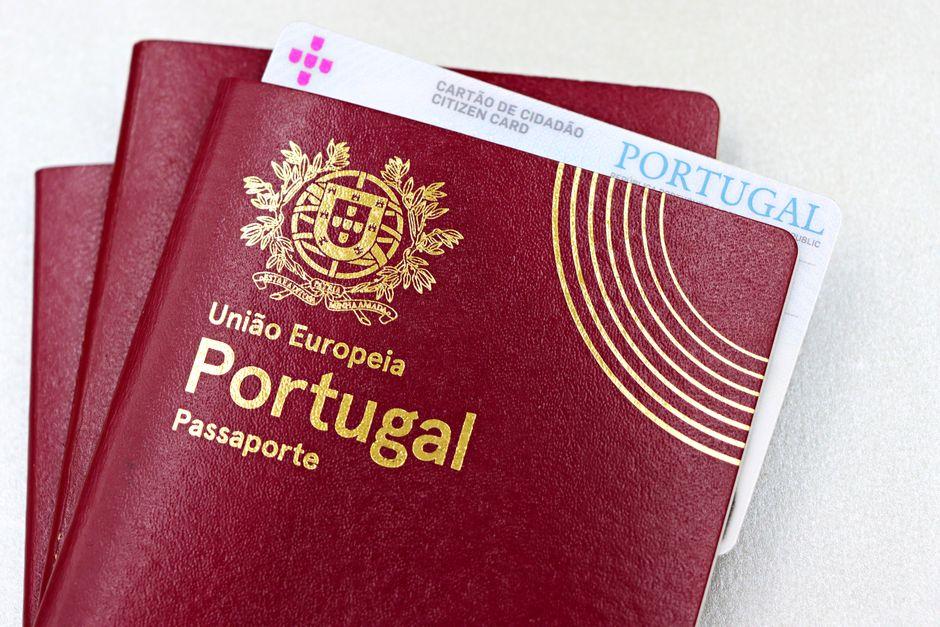
Conversely, the Martins, who pursued Portugal’s golden visa pathway, encountered a more predictable environment but faced a different kind of challenge: the temptation of overstretched expectations. Drawn by glowing testimonials about citizenship after five years, they overlooked the stringent residency requirements and continuous documentation updates. The result was a delayed application approval until full compliance was achieved, teaching them that enthusiasm must align closely with reality. These contrasting stories underscore that success in citizenship investment isn’t solely about picking the right country but also about engaging with the process pragmatically-learning to value patience and precision over speed or cost alone.
Bridging Dreams with Reality Through Thoughtful Decision Making
When Emma and Raj first embarked on their citizenship investment journey, the allure of a new passport promising global mobility and economic opportunity felt like an immediate gateway to fulfilling their dreams. Yet, the path soon revealed complexities far beyond acquiring documents. For example, Emma’s initial choice emphasized speed and cost-efficiency, selecting a country with a fast-tracked process but minimal post-investment support. In contrast, Raj opted for a jurisdiction known for thorough due diligence and robust integration services, though the timeline extended significantly. Their experiences underscore a vital lesson: decisions grounded solely in appealing offers can overlook crucial factors such as long-term residency benefits, family inclusion, and compliance obligations. The discrepancy between expectation and reality became clear when Emma encountered unforeseen tax implications, while Raj’s patience paid off with smoother access to quality education and healthcare.
- Decision Point: Prioritizing convenience vs. thorough vetting and services
- Challenge: Balancing upfront costs with ongoing legal and lifestyle benefits
- Lesson Learned: In-depth due diligence transforms citizenship from a transaction into a sustainable life plan
| Factor | Emma’s Choice | Raj’s Choice |
|---|---|---|
| Processing Time | 3 months | 12 months |
| Post-investment Support | Minimal | Comprehensive integration help |
| Unexpected Outcomes | Tax complications | Hassle-free education access for children |
Ultimately, bridging dreams with reality in citizenship investment demands more than just ambition; it requires a measured evaluation of risks and rewards. People often face the dilemma of choosing between allure and assurance-whether to chase quick gains or invest patience into thorough research. Real stories like Emma and Raj’s reveal that thoughtful decision-making involves asking critical questions:
- How does the country’s political stability affect residency rights?
- Are citizenship benefits transferable to family members?
- What hidden costs might lie beyond the initial investment?
Through thoughtful choices, investors can shape citizenship into a powerful, pragmatic tool – one that supports their goals today while safeguarding opportunities for tomorrow.
In Conclusion
As the journey through the landscapes of citizenship investment unfolds, one truth remains clear: the path beyond borders is as complex as it is captivating. Dreams of new beginnings and global mobility intertwine with dilemmas of identity, legality, and ethics. Navigating this terrain demands not only ambition but also thoughtful consideration of the implications that accompany such profound decisions. Ultimately, the voyage toward citizenship investment is a personal odyssey-one where aspirations meet reality, and where understanding the delicate balance between opportunity and responsibility is the key to crossing borders not just on a map, but within oneself.




