
In an increasingly interconnected world, the concept of identity is evolving beyond borders, giving rise to a fascinating phenomenon: double nationality. Imagine holding two passports, two sets of rights, and a unique blend of cultures that enrich your personal story. But what exactly does dual citizenship entail? How can it benefit you, and what complexities might it bring? In this article, we’ll unravel the mysteries of double nationality-exploring its meaning, the advantages it offers, and practical guidance on how to navigate the sometimes intricate path of acquiring and managing dual citizenship. Whether you’re driven by heritage, opportunity, or a desire for global mobility, understanding double nationality is key to unlocking new possibilities in today’s borderless world.
Understanding Dual Citizenship and Its Legal Foundations
Dual citizenship, or double nationality, occurs when an individual is legally recognized as a citizen by two different countries simultaneously. This status can arise through birthright (jus soli or jus sanguinis), naturalization, marriage, or other legal provisions. The foundation of dual citizenship lies within each nation’s laws, which dictate whether multiple citizenships are permitted or restricted. For example, countries like Canada and the United Kingdom broadly accept dual nationality, while others, such as Japan and Austria, generally require individuals to renounce other citizenships upon acquiring theirs. Understanding these legal frameworks is crucial because they determine rights, responsibilities, and potential conflicts between the involved countries’ legislations.
While dual citizenship offers various benefits such as ease of travel, enhanced work and residency rights, and access to social services, it can also introduce complexities. Dual nationals might face:
- Tax liabilities: Responsibilities to pay taxes in one or both countries depending on local laws.
- Military service obligations: Potential compulsory service duties in both nations.
- Legal conflicts: Differing regulations around issues like inheritance, voting, or legal jurisdiction.
These challenges highlight the importance of weighing the practical benefits against legal obligations. Individuals considering dual citizenship should consult official immigration sources or legal experts to navigate nuances such as restrictions on political office, impacts on diplomatic protection, and requirements for maintaining valid passports. Ultimately, staying informed allows for strategic decision-making that fully leverages the advantages of holding two nationalities while minimizing unforeseen legal hurdles.
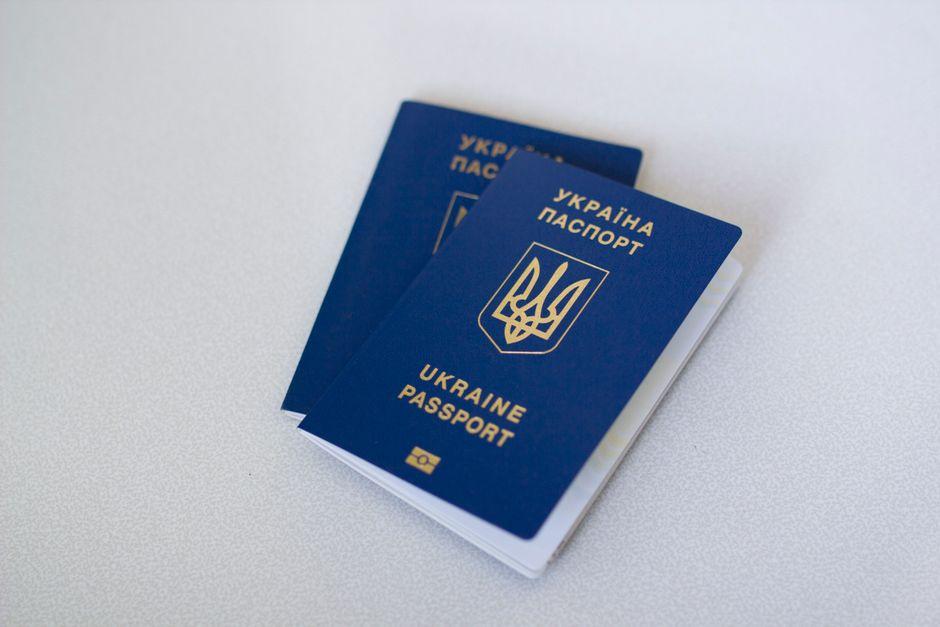
The Unexpected Advantages of Holding Two Nationalities
Holding two nationalities offers a range of unexpected advantages that go beyond the commonly known benefits like visa-free travel or employment flexibility. For instance, dual citizens often gain access to two distinct social services systems, such as healthcare or education, which can provide significant cost savings and improved opportunities. Additionally, dual nationality can grant voting rights in two countries, empowering individuals to influence policies and contribute to civic life in multiple places. This dual participation strengthens personal and professional networks by allowing easier cultural integration and business connections abroad, facilitating smoother transitions whether relocating or traveling for work and leisure.
Moreover, some financial and legal benefits arise from dual citizenship, including tax planning options that depend on the treaties between the two countries involved. It’s essential, however, to understand potential complications like double taxation or conflicting laws regarding military service and inheritance. Below is a quick comparison to highlight notable advantages and challenges for dual nationals:
| Aspect | Advantages | Potential Challenges |
|---|---|---|
| Travel & Residency | Visa-free access to two regions | Varying passport renewal processes |
| Legal Rights | Right to work, vote, and own property in two nations | Obligations such as taxes or military service in both |
| Social Benefits | Access to healthcare, education, and welfare programs | Eligibility criteria might differ between countries |
To maximize these benefits, dual citizens should stay informed about each country’s policies and seek professional advice when needed – especially regarding taxation and legal obligations. This proactive approach can turn dual nationality into a powerful asset, unlocking opportunities that single citizenship might not offer.
Common Challenges and How to Handle Conflicts of Dual Allegiance
Common challenges of dual allegiance often revolve around conflicting legal obligations and emotional ties. For example, dual nationals might face issues such as double taxation, mandatory military service in both countries, or difficulties obtaining certain government positions due to security clearances. Moreover, varying laws on issues like inheritance, marriage, or taxation can create administrative burdens. From a personal standpoint, feelings of divided loyalty can lead to internal conflict, especially during geopolitical tensions or diplomatic disputes between the two countries. Recognizing these challenges early allows individuals to plan accordingly and seek legal or consular advice to mitigate potential complications.
To effectively handle conflicts arising from dual allegiance, consider the following practical strategies:
- Stay informed: Regularly update yourself on both countries’ laws regarding citizenship rights and obligations to avoid surprises.
- Clarify your legal status: Understand which citizenship takes precedence in different scenarios, such as taxation or military service, especially when traveling or residing abroad.
- Consult professionals: Engage with immigration lawyers or financial advisors who can guide you through complex situations involving taxation or legal disputes.
- Communicate openly: Keep clear lines of communication with family, employers, and relevant authorities to manage expectations and demonstrate transparency.
| Challenge | Potential Impact | Recommended Approach |
|---|---|---|
| Double Taxation | Financial strain from paying taxes in both countries | Utilize tax treaties and seek advice from tax professionals |
| Military Service | Mandatory conscription in one or both nations | Understand each country’s policies; apply for exemptions or deferments if eligible |
| Diplomatic Conflicts | Strained relations affecting travel or legal protections | Maintain diplomatic flexibility; keep travel documents updated |
Comparing Single and Multiple Citizenship: What to Consider Before Choosing
Comparing single and multiple citizenship involves understanding the distinct legal and practical implications of holding one versus more than one nationality. Single citizenship means you owe allegiance to and have rights in only one country, making legal responsibilities-like taxation, military service, and voting-more straightforward. In contrast, multiple citizenship options grant you access to benefits in two or more countries, such as increased travel flexibility, broader work opportunities, and the ability to participate politically in multiple nations. However, dual or multiple citizenship can also introduce complexities, including the risk of double taxation, conflicting legal obligations, or challenges when one country does not recognize dual status. It’s important to consider whether the countries involved allow multiple citizenships and to evaluate your personal, professional, and family circumstances before deciding.
Here’s a concise comparison to highlight key considerations:
| Aspect | Single Citizenship | Multiple Citizenship |
|---|---|---|
| Legal Rights | Clear and simple within one legal system | Access to rights in multiple legal systems |
| Taxation | Tax obligations apply only in one country | Potential for tax reporting requirements in multiple countries |
| Travel & Residency | Travel limited by single passport | Greater travel freedom with multiple passports |
| Military Service | Obligation in one country (if applicable) | Possible obligations or conflicts between countries |
| Political Participation | Voting rights in one country | May vote or run for office in multiple countries |
Before choosing multiple citizenship, consider practical steps such as consulting immigration lawyers and checking the specific laws on citizenship in your countries of interest. Prioritize your long-term plans-education, career, family ties, and retirement goals-alongside the potential bureaucratic and financial implications. This approach will help you make an informed choice about whether holding multiple nationalities aligns best with your life goals and legal comfort.
Debunking Myths About Dual Nationality and Eligibility Criteria
One of the most persistent myths surrounding dual nationality is that holding two citizenships automatically means you are subject to double taxation or mandatory military service in both countries. In reality, tax obligations depend on the specific laws of each country and often on tax treaties designed to prevent double taxation. For instance, many countries require tax declarations only on income earned within their jurisdiction or offer foreign income exemptions. Similarly, military service obligations vary widely; some nations may require service only under certain conditions or allow exemptions for dual nationals. Understanding these distinctions can help avoid unnecessary concerns about legal and financial consequences.
Another common misconception is that dual nationality implies automatic eligibility for all rights and privileges in both countries, such as voting or government job eligibility. While dual citizenship generally grants the right to live, work, and vote in both nations, eligibility criteria can differ based on residency requirements and local laws. For example, some government or security-sensitive positions may require exclusive citizenship or a lengthy residency period, and certain countries do not recognize dual nationality for public office candidates. To navigate this, it’s essential to review each country’s specific eligibility rules before assuming full access to all rights, ensuring informed decisions that align with your personal and professional goals.
Concluding Remarks
In a world increasingly connected by borders and cultures, understanding double nationality is more than just a legal curiosity-it’s a gateway to new opportunities and identities. Whether you view it as a bridge linking your past and future or a practical tool for global living, dual citizenship opens doors while asking you to navigate complex responsibilities. By grasping what it truly means, appreciating its benefits, and knowing how to manage its challenges, you empower yourself to make informed choices in this multifaceted journey. After all, in the mosaic of modern identity, double nationality is just one piece-yet one that can shape your story in profound and unexpected ways.




