
In an increasingly interconnected world, the concept of citizenship transcends mere identity-it opens doors to new opportunities, freedoms, and horizons. Citizenship by investment has emerged as a unique gateway for individuals seeking to secure a second passport through economic contribution. But what exactly does this pathway entail? This article delves into the intriguing realm of citizenship by investment, unraveling its benefits, the step-by-step process, and the diverse options available across the globe. Whether motivated by business prospects, personal security, or lifestyle enhancement, understanding this modern citizenship avenue sheds light on a growing trend reshaping nationality in the 21st century.
Understanding the Basics of Citizenship by Investment Programs
Citizenship by Investment (CBI) programs offer a legal pathway for individuals to obtain citizenship in a foreign country through a qualifying financial contribution. Typically, applicants invest in government-approved projects such as real estate, business ventures, or national development funds. This process bypasses lengthy residency requirements and standard naturalization procedures, making it attractive for investors seeking greater global mobility, economic opportunities, or personal security. The key advantage of citizenship by investment is its efficiency, often granting applicants second passports within months, unlike traditional citizenship routes that may take years.
When evaluating CBI programs, applicants should consider several critical factors, including:
- Investment options and minimum thresholds: Some programs offer multiple investment routes, such as direct donations or real estate purchases, with varied minimum amounts.
- Processing times and due diligence: Security checks and background verifications differ in thoroughness and duration, impacting overall approval speed.
- Benefits conferred by the citizenship: Visa-free travel, tax advantages, and business environment are crucial aspects for many applicants.
- Residency and physical presence requirements: While many CBI programs require no residency, some demand limited stays.
Thorough research and professional consultation are advisable to navigate these complexities. Understanding these basics ensures applicants select a program aligned with their strategic goals, whether personal, financial, or global mobility-related.
Weighing the Advantages and Potential Challenges of Citizenship through Investment
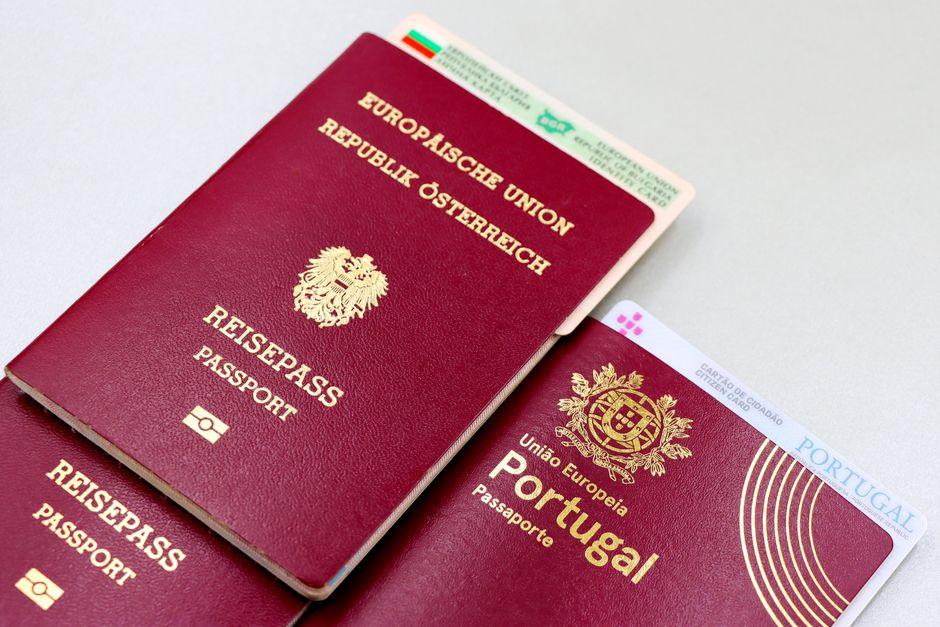
Citizenship through investment presents attractive opportunities for individuals seeking global mobility, financial diversification, and enhanced lifestyle options. Key advantages include expedited processing times compared to traditional naturalization, the ability to travel visa-free to numerous countries, and access to better education and healthcare systems. Many programs also allow applicants to include family members, making it a strategic tool for wealth preservation and legacy planning. Furthermore, dual citizenship can open doors to international business ventures by easing cross-border operations and reducing tax liabilities under certain jurisdictions.
However, potential challenges should be carefully weighed before pursuing citizenship by investment. High financial thresholds and non-refundable fees are significant considerations, often ranging from hundreds of thousands to several million dollars. There may also be strict due diligence procedures to ensure compliance, which can extend processing times or lead to application denials. Additionally, some countries impose residency requirements that limit the perceived convenience of the program. Below is a comparison highlighting common pros and cons:
| Advantages | Potential Challenges |
|---|---|
| Faster citizenship with less residency | High upfront investment cost |
| Visa-free global travel access | Stringent background checks and due diligence |
| Family inclusion options | Possible residency or minimum stay requirements |
| Financial and tax planning benefits | Variability in program political stability and reputation |
How Different Countries Approach Citizenship by Investment Opportunities
Citizenship by investment programs vary widely across countries, each offering tailored pathways to citizenship in exchange for economic contributions such as real estate investments, government bonds, or business development. Caribbean nations like St. Kitts and Nevis and Antigua and Barbuda are famed for their relatively quick and affordable programs, often appealing to investors seeking multiple citizenships with visa-free travel benefits. Meanwhile, European countries such as Malta and Portugal focus on higher investment thresholds but provide access to the European Union, which many investors find valuable for business and personal reasons. These variations influence processing times, investment requirements, and post-citizenship obligations like residency durations or language tests.
Common factors that differentiate these programs include:
- Investment Type: Non-refundable donations versus real estate purchases or business investments.
- Processing Time: Ranging from as fast as three months to several years.
- Family Inclusion: Whether dependents, spouses, or parents can be included.
- Visa-Free Travel: The geopolitical standing of the country affects the passport’s strength.
| Country | Minimum Investment | Processing Time | Key Benefits |
|---|---|---|---|
| St. Kitts & Nevis | $150,000 donation | 3-6 months | Visa-free travel to 150+ countries, no residency required |
| Malta | €650,000 + real estate | 12-14 months | EU citizenship, high global passport ranking |
| Portugal | €280,000 real estate | 5+ years | Pathway to EU citizenship, residency-based |
Key Considerations When Choosing a Citizenship by Investment Path
- Eligibility and Investment Requirements: Different countries have varying criteria for citizenship by investment, including minimum investment amounts, types of qualifying investments (real estate, government bonds, business funds), and applicant background checks. It’s crucial to evaluate these requirements carefully to identify programs that align with your financial capacity and personal circumstances. For instance, some nations prioritize quick processing times but require higher investments, while others offer more affordable options but with longer waiting periods. Understanding the nuances of each program’s eligibility criteria helps avoid wasted effort and ensures you meet all legal prerequisites.
- Benefits and Limitations: While citizenship by investment often promises visa-free travel, tax advantages, and enhanced business opportunities, these benefits can vary widely. Consider factors such as dual citizenship acceptance, the stability of the country’s political environment, and the strength of its passport in terms of global mobility. Additionally, some countries impose residency requirements or limit rights for newly naturalized citizens, which can affect your long-term plans. Weighing these pros and cons against your goals ensures the investment brings meaningful returns beyond the initial acquisition of citizenship.
| Consideration | Key Questions to Ask | Why It Matters |
|---|---|---|
| Investment Type & Cost | What is the minimum investment? Is it refundable? | Determines affordability and liquidity of your funds. |
| Processing Time | How long before citizenship is granted? | Influences planning and urgency of your relocation or business needs. |
| Legal & Tax Implications | Are there tax obligations or reporting duties post-citizenship? | Affects your financial planning and compliance with laws. |
| Reputation & Security | Is the program recognized internationally? Any red flags? | Ensures your new citizenship is globally respected and secure. |
Clearing Up Common Misconceptions About Investment Citizenship
Citizenship by investment is often misunderstood, leading to several common misconceptions that can deter potential applicants or create unrealistic expectations. One major misconception is that this pathway offers instant citizenship without thorough scrutiny. In reality, most countries enforce rigorous due diligence checks to ensure applicants meet strict legal and ethical standards. Another frequent misunderstanding is that citizenship obtained through investment is temporary or less legitimate than citizenship earned by birth or naturalization. However, investment citizenship grants the same legal rights and privileges as other forms of citizenship, including the right to live, work, and travel with the passport issued. Additionally, many assume the process is uniformly expensive and complicated, but costs and procedures vary significantly depending on the country, often offering tiered investment options and streamlined applications for qualified candidates.
Another area of confusion concerns the benefits linked to citizenship by investment. Many applicants expect automatic visa-free travel to all countries or unrestricted global business opportunities, which is not always the case. Visa-free access depends on the passport’s strength and country agreements, and these vary widely. It’s also important to note that citizenship by investment generally does not exempt individuals from tax obligations in their home countries unless explicitly stated in international tax treaties. When comparing popular programs, here’s a quick overview to clarify common questions:
| Country | Minimum Investment | Processing Time | Visa-Free Travel Highlights |
|---|---|---|---|
| Saint Kitts & Nevis | $150,000 (donation) | 3-6 months | Caribbean, Schengen Area |
| Malta | €600,000 (contribution + investment) | 12-14 months | EU, UK, Canada |
| Turkey | $400,000 (real estate) | 3-6 months | Schengen Area, Asia, Middle East |
Understanding these nuances helps applicants set realistic goals and choose the citizenship-by-investment program that aligns best with their personal and professional objectives.
Final Thoughts
In a world where borders are both lines on a map and gateways to opportunity, citizenship by investment emerges as a unique bridge connecting ambition with possibility. Whether driven by the allure of new business horizons, educational prospects, or the promise of greater freedom, this pathway offers more than just a passport-it offers a new chapter. As you weigh the benefits, navigate the processes, and explore your global options, remember that citizenship is not merely a status; it is a key to unlocking experiences, security, and identity on your own terms. Wherever your journey takes you, informed choices will pave the way to a future defined by opportunity and belonging.




