
In an increasingly interconnected world, the idea of owning more than just property-of securing a new identity, a fresh start, and expanded opportunities-has captured the imagination of many. Citizenship by property investment, a strategy that promises to turn real estate purchases into passports, is redefining the conventional paths to nationality. Yet behind the alluring appeal of this modern-day gold rush lie complexities and challenges that often go unnoticed. This article embarks on a journey from dream to doorstep, mapping the promises and pitfalls of citizenship through property investment, and offering a balanced guide for those tempted by the prospect of buying their way into a new homeland.
The Allure of Property Investment as a Pathway to Citizenship
For many, the idea of turning a real estate purchase into a golden ticket for citizenship seems almost too good to be true-yet it’s a growing reality in multiple countries worldwide. Take the example of Sarah, a tech entrepreneur from London, who saw a stunning coastal villa in Portugal not just as a vacation home but as her family’s gateway to European residency and eventual citizenship. The appeal? Straightforward investment thresholds paired with relatively quiet bureaucratic processes that promise a fast track to the rights and opportunities of a new nationality. For Sarah and many others, the allure lies in combining lifestyle aspirations with long-term security. Citizenships obtained this way often come with access to robust healthcare systems, freedom to travel visa-free across multiple countries, and business or educational opportunities that might be difficult to secure otherwise.
However, the pathway is rarely as seamless as brochures suggest. Consider the contrast in Javier’s experience, who ventured into property investment in the Caribbean under a citizenship-by-investment scheme. He expected prompt government approvals within three months, but instead faced delays stretching close to a year, coupled with unexpected legal fees and fluctuations in property market values that complicated his financial planning. The key lessons here are clear:
- Due diligence is non-negotiable: Understanding local laws, possible hidden costs, and the credibility of agents can mean the difference between a smooth process and a drawn-out ordeal.
- Market volatility matters: Property values can shift, sometimes jeopardizing the minimum investment requirements critical to maintaining citizenship eligibility.
- Expect the unexpected: Administrative delays or changes in government policies can occur, underscoring the importance of contingency planning.
| Expectation | Reality |
|---|---|
| Quick citizenship processing (3-6 months) | Some cases can take 9-12 months or longer |
| Fixed investment threshold | Market fluctuations can require additional capital |
| One-time fees and clear procedural costs | Unanticipated legal or administrative fees often arise |
Ultimately, property investment as a pathway to citizenship remains a compelling option-but one that demands a balanced view, clear expectations, and careful navigation to truly transform the dream into a doorstep reality.
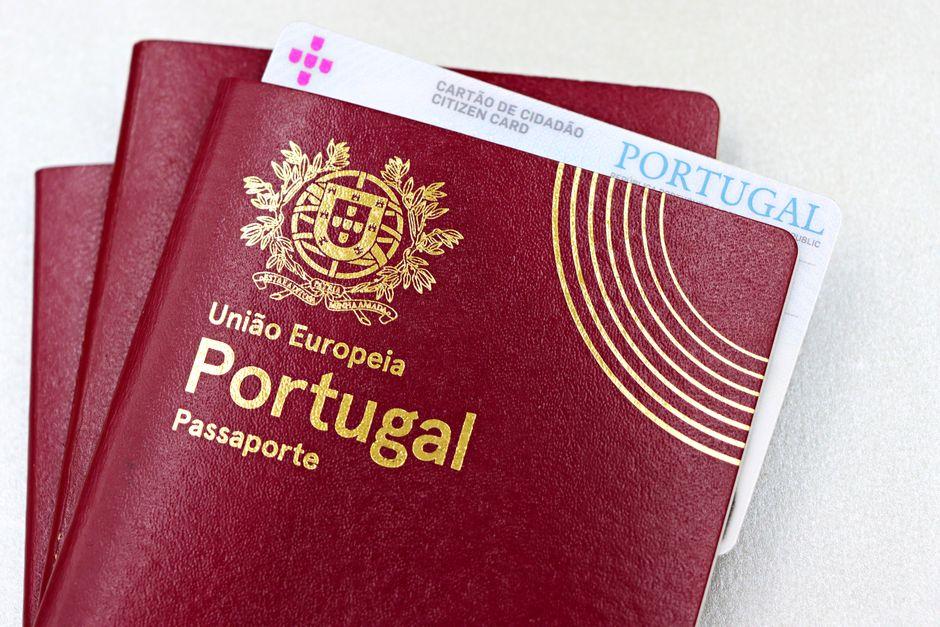
Unpacking Legal Complexities and Common Obstacles in the Process
- Legal Complexities in Due Diligence: One common hurdle many investors face is the depth and scope of legal due diligence required before making a property purchase. Take Maria’s case: eager to secure citizenship through a coastal development, she overlooked the stringent background checks and the necessity for transparent source-of-funds documentation. The result was a delayed application process and unexpected legal consultations that extended her timeline by months. This highlights a crucial lesson-compliance is not just a formality but an ongoing obligation. It’s essential to work with professionals who have a thorough understanding of both local real estate laws and immigration regulations to navigate these waters without facing costly setbacks.
- Unexpected Obstacles and Decision Points: Consider the contrasting situation of Johan, who planned to invest in a high-rise in a bustling city as a straightforward route to citizenship. However, midway, the government altered property eligibility criteria, excluding certain developments from the program. Suddenly, Johan had to reassess: continue with a now non-qualifying property or pivot to a new investment, risking financial exposure and procedural restart. This reflects a broader unpredictability many investors encounter-policy shifts, property market fluctuations, or restrictions on resale periods. Being adaptable and maintaining open communication with local agents and legal advisors can turn such obstacles into manageable decision points rather than insurmountable roadblocks.
Stories from Applicants Who Found Success and Those Who Faced Setbacks
- Emma’s Journey: Turning Vision into Reality
Emma, a marketing executive from Canada, embarked on the citizenship-by-investment path with a clear goal: securing EU mobility for her young family. After thorough research, she chose a coastal property in Portugal, attracted by its residency advantages and burgeoning real estate market. However, Emma’s story wasn’t just about ticking boxes. When the paperwork lagged due to shifting government policies, she adapted by working closely with local legal experts and maintaining constant communication with authorities.This persistence paid off. Emma secured her Portuguese citizenship within the anticipated timeline, highlighting a key lesson: flexibility and expert guidance are crucial to navigating the often complex bureaucracy. Her story contrasts sharply with many who expect a simple transaction but underestimate administrative intricacies and local legal nuances that can delay or derail the process.
- David’s Experience: Unexpected Hurdles and Hard Lessons
On the flip side, David, an entrepreneur from Australia, learned firsthand that not all investments materialize as planned. Eager to fast-track his citizenship, he invested in a luxury apartment in a popular Caribbean destination. However, an unanticipated market downturn hit the property value, and a regulatory change introduced new eligibility criteria after his purchase.The setbacks meant David ended up neither obtaining citizenship nor recovering his initial investment fully. Reflecting on his journey, he pinpoints critical missteps-namely, rushing decisions without factoring in geopolitical shifts and failing to conduct rigorous due diligence on both the market and legal frameworks. His experience serves as a cautionary tale about how enthusiasm must be balanced with sober, strategic planning.
| Case | Investment Type | Challenge Faced | Outcome | Lesson Learned |
|---|---|---|---|---|
| Emma | Residential Property (Portugal) | Bureaucratic delays and policy changes | Obtained citizenship, timeline extended | Legal guidance & adaptability crucial |
| David | Luxury Apartment (Caribbean) | Market downturn & regulatory shifts | Failed to secure citizenship, financial loss | Thorough due diligence & strategic timing essential |
Key Lessons for Making Informed Decisions and Avoiding Pitfalls
- Understand the true cost beyond the purchase price. When Julia decided to invest in a seaside villa promising fast-tracked citizenship, she didn’t anticipate the hidden fees-legal consultations, due diligence checks, and unexpected municipal taxes-that added up to nearly 20% extra. Her rush to meet the citizenship deadline clouded an essential lesson: the cheapest property isn’t always the smartest investment. Budgeting only for the purchase price led Julia into surprise expenses that stretched her finances and delayed her plans. Future investors should account for these additional costs upfront to avoid financial strain and frustration.
- Vet citizenship programs and property meticulously to avoid disappointment. Take the case of Mark, who invested heavily in a development advertised as government-approved but later found out was still pending final authorization, causing his citizenship application to stall indefinitely. His expectation of a seamless process met a harsh reality check. Thorough research, independent legal advice, and verification of program legitimacy can save investors from such setbacks. Contrast Mark’s experience with Ana’s: she engaged a local consultant and cross-checked investment projects with official registries before committing, which helped her avoid scams and choose a property aligning perfectly with citizenship requirements.
| Decision Point | Common Expectation | Reality / Lesson Learned |
|---|---|---|
| Choosing Investment Property | Any attractive property that qualifies for citizenship will yield stable value. | Properties must be vetted for market stability and legal compliance – not all qualify or retain value post-investment. |
| Timing of Citizenship Application | Immediate application after purchase accelerates approval. | Applications require documents from multiple parties; haste without preparation causes delays or denials. |
| Cost Estimates | Price tags cover all necessary expenses. | Expect significant extra fees for processing, legality, and taxes beyond purchase price. |
Evaluating the Long Term Impact on Identity and Community Integration
When Maria first purchased her apartment through a citizenship by investment scheme, she imagined a seamless fusion of her new legal identity with a vibrant local community. However, the reality proved more complex. Despite the initial excitement of securing a passport, Maria often found herself navigating cultural nuances and local customs that weren’t part of any orientation booklet. For many like her, the process sparks deep reflection: Does acquiring citizenship through property equip one with a true sense of belonging? Integration isn’t instantaneous. It involves gradual steps – joining community groups, learning the language, and participating in local traditions, each a bridge built over time. Stories like Ahmed’s resonate here; he bought a villa in a coastal town and realized that without engagement, his identity shift felt superficial and disconnected from daily life, highlighting how legal status is just one piece of the puzzle.
Analyzing this impact, key decision points emerge for prospective investors:
- Engagement Commitment: Are you prepared to invest time in community life beyond the property itself?
- Cultural Adaptability: How willing and able are you to embrace local customs, languages, and social norms?
- Expectation vs. Reality: Do you anticipate immediate integration, or recognize it as a progressive journey?
Consider this comparison table outlining common expectations and typical outcomes:
| Expectation | Typical Outcome |
|---|---|
| Instant social acceptance | Gradual relationship building required |
| Legal rights translate directly to belonging | Belonging requires cultural and social immersion |
| Property investment ensures community status | Property is a starting point, not a guarantee |
In the end, individuals who actively pursue connection – attending local events, supporting neighborhood initiatives, and investing in language skills – often report a richer, more meaningful integration experience. This human element, often overshadowed by the allure of a second passport, ultimately defines the long-term impact on identity and community life.
Future Outlook
As the doors to new horizons swing open with the promise of citizenship by property investment, the journey from dream to doorstep is anything but straightforward. It is a path paved with opportunity and shadowed by complexity, where legal nuances intersect with financial ambitions, and personal aspirations converge with national interests. Navigating this terrain requires more than just capital-it demands careful consideration, trusted guidance, and a clear-eyed understanding of both the promises and pitfalls that lie ahead. Ultimately, for those willing to tread thoughtfully, turning the key to a new citizenship could unlock more than just a new address-it could open the door to an entirely new chapter of life.




