
In an era where borders often feel simultaneously rigid and porous, the allure of a second passport has morphed into a coveted symbol of opportunity and escape. Passport by Investment programs promise swift access to new lands, promising freedom, security, and a broader horizon. Yet, beneath this glossy exterior lies a more complex reality. Rather than serving as a universal gateway to liberty, these passports increasingly function as exclusive currencies, traded primarily by the wealthy, deepening global divides. This article delves into how the passport – once a simple document of identity – has evolved into a marker of privilege, reflecting and reinforcing the inequalities that define our interconnected world.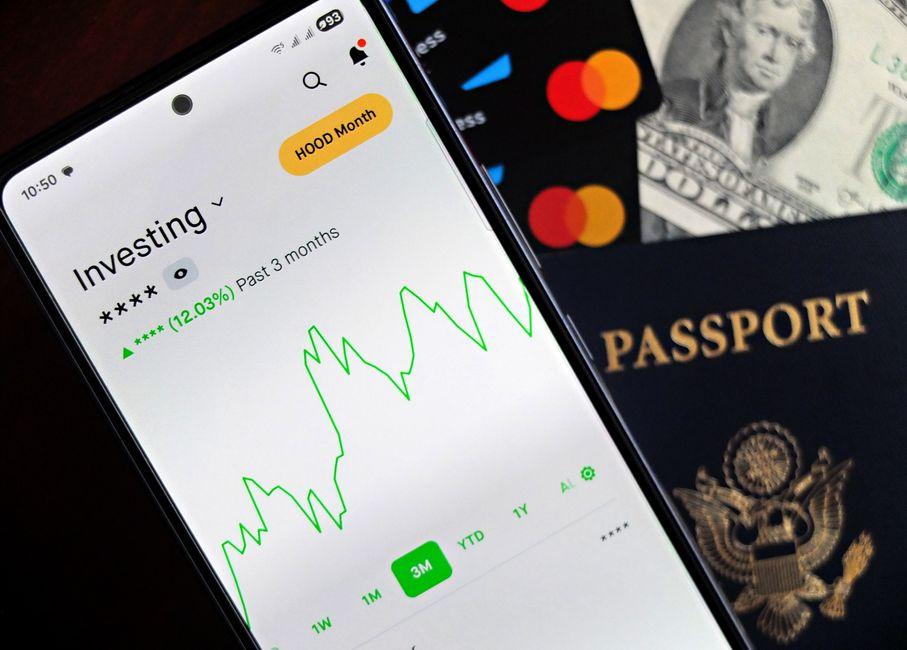
The Mirage of Mobility: How Investment Passports Mask Economic Divides
Investment passports are often lauded as shortcuts to freedom, but this narrative dangerously glosses over the inherent economic stratification they perpetuate. Far from democratizing mobility, these programs predominantly reward affluence, effectively transforming national sovereignties into marketplaces where citizenships become commoditized assets. This transactional framing not only prioritizes wealth over genuine integration but also deepens global divides by creating a tiered system of mobility-where the ultra-rich bypass traditional immigration hurdles, while ordinary migrants face insurmountable barriers. Investors can trade millions for a “golden ticket,” yet countless talented, deserving individuals remain trapped by geopolitical and fiscal constraints, challenging the assumption that passport-by-investment schemes are pathways to equitable global opportunity.
However, the trade-offs warrant deeper scrutiny beyond mere inequality. While these programs inject critical capital into host economies, the economic benefits are often superficial, concentrated, and temporally limited. Governments must weigh immediate financial gains against long-term socio-political costs, including concerns about transparency, money laundering, and social cohesion. A nuanced recommendation calls for stricter regulatory frameworks and multi-dimensional evaluation metrics that go beyond the dollar value of investments:
- Assess the ecological and social impact of invested capital, rather than merely its size.
- Implement rigorous vetting to protect the integrity of citizenship rights and curb illicit financial flows.
- Encourage community contribution benchmarks to ensure genuine integration potential.
Only through such calibrations can investment passports potentially evolve from symbols of disparity to tools that modestly rebalance opportunity-although the fundamental tension between money and mobility is unlikely to be fully resolved.
Beyond Borders: The Unseen Social Costs Behind Paid Citizenship
The allure of citizenship-by-investment (CBI) programs often obscures their deeper societal ramifications-costs that extend well beyond the transactional exchange of money for a passport. These schemes introduce profound social fissures both in the countries selling and buying these “golden tickets.” On one side, recipient nations risk commodifying national identity, reducing citizenship’s profound civic and cultural significance to a mere financial transaction. This undermines the social contract, breeding resentment among native citizens who perceive an unfair tiering of rights and social privileges. On the other side, the influx of wealthy foreigners, often non-resident and transient, can distort local economies, inflate real estate prices, and divert government priorities toward affluent newcomers rather than indigenous communities. The social cohesion of a nation, hard-earned over generations, becomes collateral damage in an ostensibly transactional marketplace.
To critically assess these social costs, one must move beyond simplified narratives that pit economic growth against social stability. The trade-offs demand nuanced, context-sensitive policies rather than blanket endorsements or bans. For host countries, transparent regulatory frameworks and community engagement can mitigate social backlash, ensuring investment benefits are equitably shared and that citizenship is not perceived as a fast track to elite status alone. Investors, meanwhile, should be held accountable not just for fiscal inputs but for meaningful social contributions that integrate new citizens into the fabric of society. Consider this comparative table outlining divergent social impacts:
| Aspect | Risks/Costs | Potential Mitigations |
|---|---|---|
| National Identity | Cultural dilution; resentment from locals | Strict eligibility criteria; cultural orientation programs |
| Economic Distortion | Inflated housing markets; resource misallocation | Targeted investments; affordability safeguards |
| Social Cohesion | Fragmented communities; class divisions | Inclusive community initiatives; integration support |
| Governance | Corruption vulnerabilities; weakened civic trust | Enhanced transparency; accountability mechanisms |
Ultimately, the invisible toll of paid citizenship demands sharper scrutiny that resists the seductive simplicity of branding passports as mere commodities or quick escapes. Only by recognizing the intertwined social, cultural, and economic dimensions can governments and investors strive for policies that safeguard both national integrity and genuine global mobility, rather than exacerbate inequality cloaked in the language of freedom.
When Freedom Becomes a Privilege: The Ethical Quandaries of Buying Passports
At first glance, buying a passport appears to be a pragmatic solution for those seeking global mobility or economic opportunity. Yet, when freedom itself is commodified, it transforms from a universal human right into an exclusive privilege, reinforcing existing layers of global inequality. The ethical quandaries are stark: citizenship, which traditionally implies a reciprocal bond between individual and state encompassing rights and responsibilities, becomes a mere transaction. This transactional logic detaches the profound social contract from the concept of belonging, raising critical concerns about national identity, sovereignty, and genuine integration. In effect, these investment programs often prioritize capital over character, creating loopholes that favor wealth accumulation over civic virtues and social contribution, thus perpetuating a system where the wealthy can buy their passage to global liberties while the less affluent remain anchored by borders and bureaucracy.
Making sense of these dilemmas demands nuanced trade-offs rather than blanket condemnation. While it is unfair to dismiss the positive economic impact these schemes can have on smaller or economically challenged states, a more ethical approach would emphasize transparency, stringent vetting, and social accountability coupled with investment in public goods. For instance, beneficiary nations could require passport buyers to demonstrate meaningful engagement-such as philanthropy, local job creation, or cultural integration-beyond financial input alone. The table below outlines key distinctions often overlooked in the debate, shedding light on how freedom, privilege, and ethics intermingle within passport-by-investment schemes:
| Criterion | Traditional Citizenship | Passport-by-Investment |
|---|---|---|
| Basis of Status | Birthright, residency, cultural ties | Financial contribution |
| Nature of Relationship | Reciprocal rights and duties | Transactional access |
| Implication for Social Equity | Designed to foster inclusion | Enhances exclusivity |
| Risk of Abuse | Moderate (social scrutiny and legal duties) | High (money laundering, tax evasion) |
- Recommendation: Strengthen global regulatory frameworks to prevent misuse and ensure that citizenship is not stripped of its substantive meaning.
- Trade-off: Balancing economic gains for host countries with protecting the integrity of citizenship and the social contract.
Rethinking Global Access: Viable Alternatives to Wealth-Driven Nationality
The current fixation on monetizing nationality through passport-by-investment schemes underscores a profound misalignment between citizenship and its intrinsic societal purpose. Rather than viewing nationality as a mere commodity, global access should be reimagined through frameworks that emphasize principled inclusivity rather than transactional elitism. For instance, collaborative multilateral agreements that prioritize long-term socio-economic contributions over upfront capital injections could foster more equitable mobility pathways. These alternatives would signal a shift from treating citizenship as exclusive economic leverage to recognizing it as a shared social contract grounded in actual engagement and mutual responsibility. The trade-offs here are clear: states might forego immediate fiscal gains but potentially gain more sustainable integration and reduce reputation risks associated with corruption and economic disparity.
Moreover, there is room to deploy innovative, non-wealth-centric models to enhance global access without compromising sovereignty or public trust. Examples include:
- Merit-based residency frameworks that incorporate diverse criteria such as skills, cultural contributions, and community service;
- Digital nomad and remote work visas structured around flexible, temporary stays with pathways to longer-term settlement aligned with economic contribution;
- Regional mobility pacts modeled on the African Union’s Free Movement Protocol or ASEAN Economic Community initiatives, which emphasize equality among member states rather than inequality driven by wealth disparities.
To illustrate the subtle yet significant distinctions between these approaches versus investment citizenship, consider the following:
| Aspect | Passport by Investment | Merit & Multilateral Alternatives |
|---|---|---|
| Primary Criterion | Capital contribution | Skills, societal ties, regional solidarity |
| Access Type | Permanent, often immediate | Temporary to permanent, gradual integration |
| Global Reputation | Risk of negative perceptions (inequality, corruption) | Enhanced legitimacy, cooperative perception |
Such nuanced alternatives challenge the overused assumption that only wealth can unlock global mobility, revealing instead a spectrum where citizenship and access can evolve to embody fairness, transparency, and genuine social vitality.
Navigating the Complex Trade-Offs Between Convenience and Inequality
At the heart of the passport by investment paradigm lies a paradox: the promise of unparalleled convenience implicitly demands a sacrifice of equitable access. While these programs undeniably streamline cross-border mobility for the global elite, they do so by commodifying citizenship itself-transforming a fundamentally social contract into a transactional good. The convenience gained is not neutral; it is carved out at the expense of systemic fairness, undermining the principle that passports should serve as gateways built on shared identity and civic trust, rather than financial capability. To frame this trade-off merely as an alternative fast track to freedom obscures the deeper issue: these transactions widen the chasm between those who move effortlessly and those constrained by historical, economic, or geopolitical barriers beyond their control.
Yet, a binary condemnation risks oversimplifying a complex web of motivations and consequences. Recognizing the nuances is crucial: not all investment citizenship schemes erode freedoms equally, nor do they all wield the same impact on domestic inequality. For instance, programs with stringent due diligence and contribution requirements can inject meaningful capital into struggling economies, offering a conditional social return that goes beyond personal convenience. However, transparency deficits, lax regulatory oversight, and the incentivization of “citizenship shopping” often perpetuate an uneven global marketplace of rights, where wealth translates directly into political and social privilege. A more ethical approach would involve:
- Implementing robust safeguards to ensure contributions tangibly support infrastructure or social programs, establishing clear accountability.
- Maintaining stringent vetting protocols to avoid creating loopholes exploited by illicit actors, preserving the integrity of national security frameworks.
- Embedding fairness mechanisms such as scaled investment levels or community integration pathways, preventing passports from becoming mere luxury commodities.
| Dimension | Convenience Benefit | Inequality Trade-Off |
|---|---|---|
| Economic Access | Immediate visa-free mobility for investors | Excludes non-wealthy populations on arbitrary financial grounds |
| National Security | Potentially quicker vetting through private sector partnerships | Risk of inadequate scrutiny leading to vulnerability |
| Social Cohesion | Increased cross-cultural exchange opportunities | Weakening of citizenship as a marker of shared identity |
Concluding Remarks
In the complex landscape of global mobility, passport-by-investment programs reveal a paradox at the heart of modern freedom. Far from being simple gateways to opportunity, they act as currencies that often reinforce existing inequalities-where wealth, not merit or heritage, buys the privilege to cross borders with ease. As nations grapple with the ethical and societal implications of these schemes, the conversation must shift beyond luxury and convenience, towards a deeper examination of how such practices shape the divide between inclusion and exclusion. Ultimately, the passport we carry should symbolize more than financial power; it should reflect a fairer, more equitable global community.




