
In a world where the notion of home is both deeply personal and increasingly fluid, the quest for belonging often transcends geography. Citizenship by investment-a modern passport to new horizons-opens doors not just to countries, but to opportunities, identities, and futures previously out of reach. Behind the glossy brochures and enticing offers lie real journeys, laden with hope, complexity, and profound questions about what it truly means to belong. This article ventures beyond the transactions, exploring the stories woven through borders crossed and the lessons they hold about home, identity, and the ever-evolving pursuit of opportunity.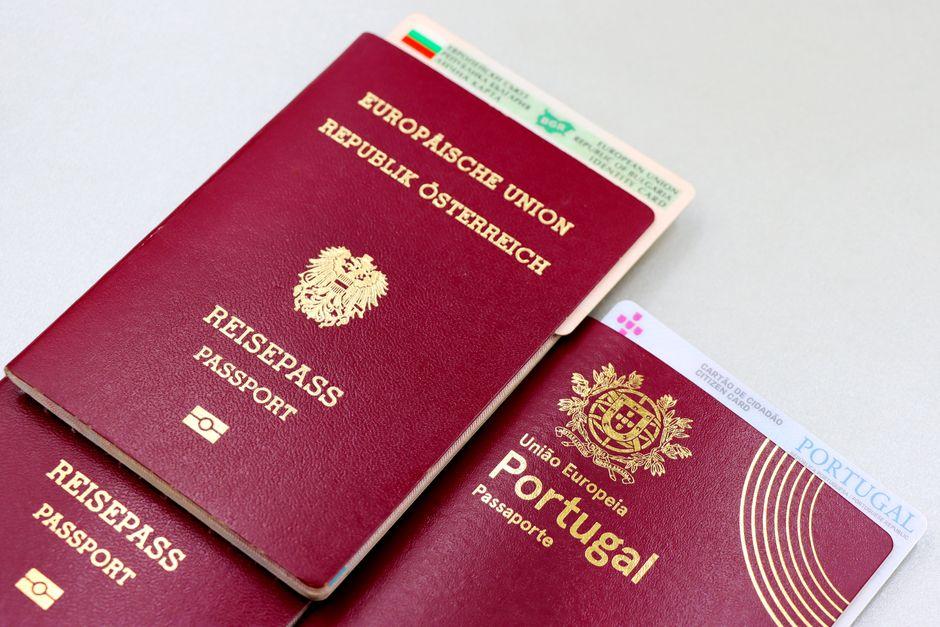
Navigating New Identities Through Investment and Ambition
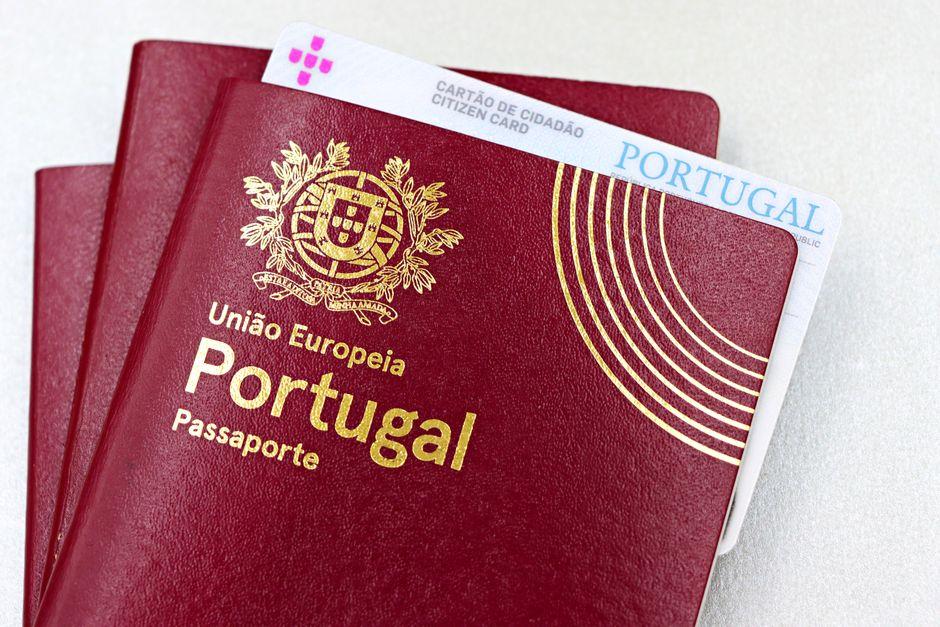
For many individuals, acquiring a new citizenship isn’t merely a transaction-it’s a profound step into an uncharted identity that reshapes how they see themselves and their place in the world. Take Amina, a tech entrepreneur from Nigeria, who pursued citizenship by investment in Portugal. Initially, her expectation was straightforward: gain easier access to European markets and enjoy visa-free travel. But as she settled, Amina encountered nuanced challenges-balancing her entrepreneurial drive with a slow-to-adapt cultural rhythm, integrating into local business networks, and navigating a new sense of belonging that was as much emotional as it was legal. Her journey illustrates a common crossroads: the border between holding a new passport and feeling truly “at home” in a new society.
These experiences often unveil key lessons about ambition and adaptation. Another story comes from Sergei, a former banker who invested in a Caribbean island to secure a second passport for business flexibility. What started as a seemingly straightforward investment transformed into a deeper reckoning with identity. Sergei found that citizenship by investment offered financial opportunity, yet the social fabric, cultural ties, and community engagement he expected didn’t automatically materialize. His experience highlights an important tension:
- Expectation: New citizenship equals instant integration and opportunity
- Reality: Identity evolves gradually, shaped by lived experiences and social connections
In navigating these new identities, individuals learn that ambition is not just about crossing borders on a map, but about crossing the invisible borders within themselves, crafting new definitions of what home and opportunity truly mean.
Turning Points in the Search for Belonging and Economic Security
- Maria’s Leap of Faith: For Maria, a mid-career entrepreneur from Colombia, the decision to apply for citizenship by investment was sparked by a mix of insecurity and ambition. Initially, her plan was simply to secure a safety net amid rising economic uncertainty at home. Yet, once she gained her new citizenship, she quickly realized the move was about more than just financial security-it was about access to a broader world of opportunity. Maria found herself facing a turning point when she had to decide whether to relocate her business entirely or maintain a footprint in both countries. This wasn’t a simple choice; it challenged her concept of “home” and taught her that economic freedom sometimes requires embracing complex identities rather than seeking a singular sense of belonging.
- The Unexpected Trade-offs in Rajiv’s Journey: Rajiv, a software engineer from India, anticipated that citizenship by investment in a European country would instantly elevate his family’s lifestyle and educational prospects. What he didn’t expect was the cultural isolation and bureaucratic struggles that soon followed. The turning point came when his young daughter struggled to integrate into local schools despite the legal privileges their new status offered. This taught Rajiv and his family a vital lesson: citizenship can open doors, but belonging involves deeper social and emotional connections that money alone cannot buy. His experience underscores how crossing borders demands patience, adaptation, and the willingness to redefine what “opportunity” truly means.
Stories of Adaptation and the Complexities of Dual Loyalties
- Amira’s Dilemma: A successful entrepreneur from Egypt, Amira pursued citizenship by investment in Portugal, drawn by the promise of European freedom to travel and conduct business. Initially, the transition seemed seamless-she celebrated her new passport, enrolled her children in international schools, and launched a secondary tech venture. However, the emotional complexity emerged when dealing with her family back home. She found herself navigating dual loyalties, balancing the cultural ties to Egypt with the opportunities her Portuguese citizenship unlocked. Her story highlights a common challenge: adapting to a new identity while honoring one’s origins. The unexpected friction arose when her business partners in Cairo viewed her move as distancing herself from local commitments, forcing Amira to carefully manage perceptions on both fronts.
- Ravi’s Reality Check: When Ravi, a fintech professional from India, acquired citizenship in the Caribbean through investment, he envisioned a hassle-free tax haven and an effortless global lifestyle. Early on, he relished the ease of visa-free travel and lower tax burdens. Yet, practical realities complicated the picture. Ravi found that the new citizenship didn’t replace his deep-rooted connections and responsibilities back home-where his aging parents, property, and community ties remained. More poignantly, he encountered legal hurdles in some jurisdictions where dual citizenship triggered bureaucratic red tape rather than simplifying life. His experience underscores a vital lesson for many: citizenship by investment can open doors, but it seldom eliminates the intricate web of loyalties and obligations tied to “home.”
| Aspect | Expectation | Reality |
|---|---|---|
| Identity | A fresh start, new national identity. | Continuous negotiation between old and new cultural ties. |
| Family & Social Ties | Freedom to relocate without emotional cost. | Persistent responsibilities and emotional ties to original homeland. |
| Legal & Bureaucratic | Simplified travel and residency. | Unexpected legal complexities in dual citizenship recognition. |
Lessons from Diverse Paths Toward Citizenship and Opportunity
- Maria’s Calculated Leap: When Maria, a successful entrepreneur from Brazil, decided to pursue citizenship by investment, she envisioned a seamless path to global mobility and business expansion. However, the reality was more nuanced. Initially attracted by a program promising fast-track citizenship, Maria soon realized the process demanded extensive due diligence and a genuine commitment beyond financial input. Her journey highlighted a crucial lesson: this is more than a transaction-it involves integrating into a community and understanding local regulations and culture. Her story teaches us that patience and adaptability are core, not just the allure of a new passport.
- Omar’s Unexpected Community: Omar’s route, coming from a Middle Eastern country, diverged. Opting for an investment route in a smaller, less typical destination, he faced skepticism from peers, uncertain about the legitimacy and value of his new citizenship. Yet, through active participation in local economic and social projects, Omar’s new home became a genuine opportunity, transforming from a mere legal status into a real sense of belonging. His experience underscores the importance of viewing citizenship not as an endpoint but as a platform for ongoing engagement and growth.
| Experience | Expectation | Reality | Lesson Learned |
|---|---|---|---|
| Fast approval and border-free travel | Immediate global mobility | Delays due to compliance and integration requirements | Citizenship programs prioritize authenticity over speed |
| Financial investment equals acceptance | Automatic social and economic integration | Active participation required for true opportunity | Investment is a doorway, not a destination |
Balancing Promise and Reality in Transnational Journeys
When families embark on the pursuit of citizenship by investment, the journey often begins with a clear vision: improved security, better education for their children, and seamless global mobility. Take Elena, a tech entrepreneur from Eastern Europe, who invested in a Caribbean program hoping for quick access to the US market. While the initial residency and passport opened doors faster than traditional immigration routes, she encountered unanticipated challenges: the nuances of local tax laws, cultural integration hurdles, and a slow adaptation period for her kids in the new schooling environment. Elena quickly realized that the promise of a second passport was only one piece of a larger puzzle-balancing immigration benefits with personal and financial complexities became crucial for crafting a genuinely sustainable new home.
Stories like Elena’s reveal common decision points that applicants face after obtaining citizenship by investment, which often include:
- Assessing Long-Term Residency Needs: Should they reside primarily in the new country or merely use the passport for travel?
- Financial Planning: Navigating tax obligations and investment returns in multiple jurisdictions.
- Community and Identity: Integrating into local culture without losing ties to their country of origin.
Landing the “second passport” is unquestionably impactful, but as shown in this simple comparison, expectations versus lived reality can vary:
| Expectation | Reality |
|---|---|
| Immediate freedom to live anywhere with minimal disruption | Legal freedom with practical challenges around lifestyle and adaptation |
| Simple financial benefits and tax optimization | Complex financial landscape requiring expert guidance |
| Instant acceptance in the new community | A gradual social integration process, often requiring deliberate effort |
Ultimately, individuals learn that citizenship by investment programs extend beyond passports and paperwork-they are profound journeys reshaping ideas about home, belonging, and opportunity in dynamic, often humbling ways.
To Conclude
In the intricate tapestry of modern migration, citizenship by investment weaves a thread that challenges traditional notions of belonging and identity. These journeys-marked not only by financial exchange but by profound personal aspirations-invite us to reconsider what “home” truly means in an increasingly interconnected world. Beyond borders and passports, they reveal the human pursuit of opportunity, security, and a place to belong. As we navigate the evolving landscape of global mobility, these stories compel us to reflect on the fluidity of citizenship and the diverse paths through which people seek to craft new beginnings. Ultimately, crossing borders is more than a transaction; it is a deeply human endeavor that redefines the ways we understand home and hope.




