
In an increasingly interconnected world, the notion of belonging to just one nation is becoming less of a given and more of a choice. Dual national citizenship, once a rarity, now captures the attention of travelers, expatriates, and policymakers alike, opening doors to new opportunities while also presenting unique complexities. But what exactly does it mean to hold citizenship in two countries simultaneously? Beyond the legal definitions lie a host of benefits, obligations, and nuanced considerations that anyone curious about this status should understand. This article delves into the nature of dual citizenship, exploring its advantages and the careful thought required before embracing this dual identity.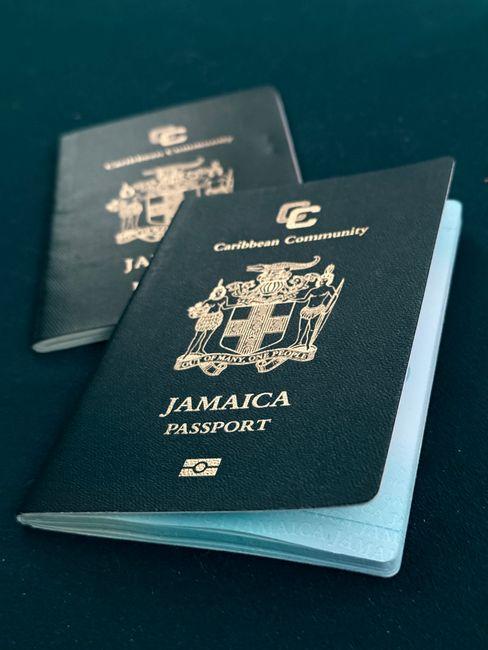
Exploring the Basics of Dual National Citizenship and How It Works
Dual national citizenship refers to the legal status in which an individual is recognized as a citizen by two countries simultaneously. This situation arises when a person acquires citizenship from a second country without having to renounce their original nationality. Often, it occurs through birth (if parents are from different countries), naturalization, marriage, or specific bilateral agreements between nations. While this status grants the right to hold two passports and enjoy the privileges and responsibilities that come with each nationality, it’s important to understand that each country’s laws can differ significantly regarding the rights, obligations, and recognition of dual nationals.
There are clear advantages to holding dual citizenship, such as:
- Expanded travel freedom: Access to more countries without visas.
- Work and reside rights: Ability to live, work, and study in both countries without additional permits.
- Property and inheritance: Eligibility to own property and pass on inheritance under both jurisdictions.
However, dual citizenship can also bring complications like conflicting tax obligations, mandatory military service, or legal disputes between nations. For instance, some countries may not recognize dual citizenship, forcing individuals to choose one. To navigate these challenges effectively, it is recommended to research the specific legal stance of each involved country, seek professional legal counsel if needed, and stay informed about international agreements that could impact dual nationals.
| Aspect | Single Citizenship | Dual Citizenship |
|---|---|---|
| Travel | Restricted by one passport | More visa-free access |
| Legal Obligations | One set of laws and taxes | Potential overlap or conflict |
| Rights | Limited to one country | Rights in two countries |
Advantages and Challenges of Holding Multiple Passports
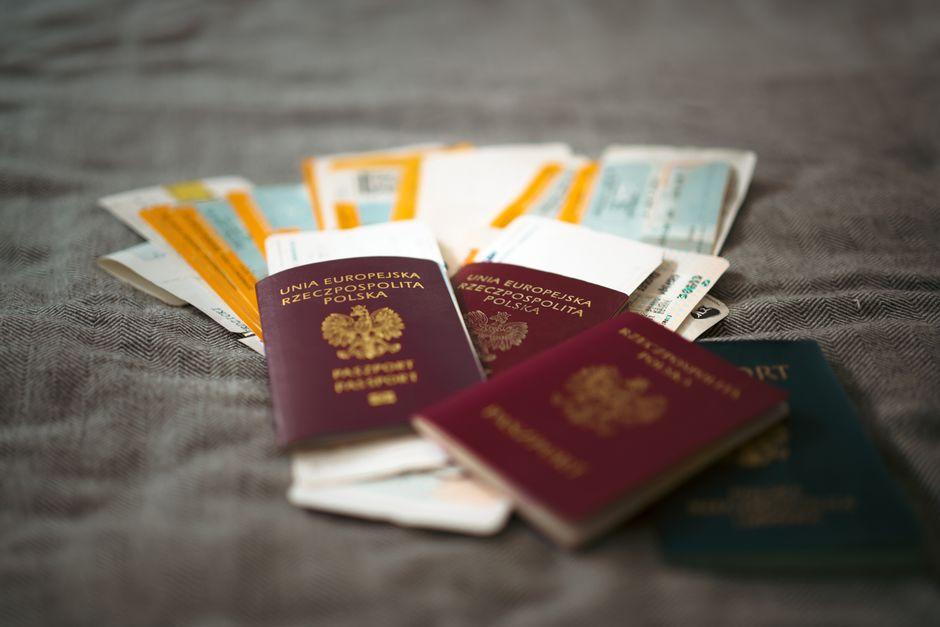
Advantages of holding multiple passports extend beyond simple travel convenience. Dual or multiple citizenships often grant easier access to work, education, and social benefits across countries, allowing holders to bypass visa restrictions that might otherwise limit global mobility. Additionally, multiple passports can serve as a safety net during political instability or economic downturns in one’s home country by providing alternative residency or citizenship options. Tax advantages also come into play, as some countries offer favorable tax treatments or exemptions for citizens residing abroad. Beyond financial and practical benefits, holding multiple passports symbolizes enhanced cultural ties and identity flexibility, enriching personal and professional global interactions.
However, managing multiple citizenships comes with distinct challenges. Legal obligations such as dual taxation, compulsory military service, or adherence to differing laws can create complex situations requiring careful navigation. Countries may impose restrictions on certain activities for dual citizens, including limitations on political office or government employment. Moreover, renewing multiple passports and ensuring compliance with various citizenship regulations demands administrative diligence and can incur additional costs. To better balance advantages and challenges, consider the following comparison table:
| Aspect | Benefits | Challenges |
|---|---|---|
| Travel Freedom | Visa-free or visa-on-arrival access to more countries | Potential confusion over which passport to use at entry/exit points |
| Legal Rights | Access to social services, education, and property ownership | Dual taxation and legal responsibilities in multiple countries |
| Political Participation | Right to vote and engage in multiple civic systems | Restrictions or disqualification from holding certain government positions |
When considering dual citizenship, it’s crucial to research the specific laws and policies of involved countries, especially regarding citizenship retention, conflict of laws, and possible diplomatic implications. Consulting with immigration experts or legal professionals can ensure informed decisions that maximize the benefits while minimizing unforeseen legal or financial complications.
Common Misunderstandings About Dual Citizenship Clarified
One widespread misunderstanding about dual citizenship is that it automatically grants unrestricted rights in both countries, such as work, travel, or social benefits. While dual nationality does allow you to hold passports from two nations, the extent of rights and responsibilities can vary greatly depending on each country’s laws. For instance, some countries may require dual citizens to fulfill military service obligations, pay taxes on worldwide income, or may restrict government jobs to single nationals. It’s also a myth that dual citizenship means you must renounce your original nationality; many countries allow dual citizenship, but others strictly prohibit it or impose administrative hurdles. Understanding these nuances helps avoid unexpected legal or financial complications.
Another common confusion relates to the impact of dual citizenship on travel and visa requirements. People often believe dual citizenship lets them bypass visas universally, but visa policies depend on the passport used and diplomatic relations between countries. It’s important to remember that dual citizenship can complicate diplomatic protection; if you face legal issues abroad, the country of your other nationality might have limited ability to intervene. To clarify, here’s a brief comparison of what dual citizenship typically involves:
| Aspect | Common Misunderstanding | Reality |
|---|---|---|
| Taxation | Exempt from taxes in one country | May owe taxes in both, depending on treaties |
| Military Service | Automatic exemption | Possible obligation in one or both countries |
| Political Rights | Full voting and candidacy privileges | Limited or restricted in some nations |
| Travel | Visa-free everywhere | Depends on passport used and destination rules |
- Recommendation: Research both countries’ laws thoroughly before applying for dual citizenship.
- Tip: Consult legal experts on citizenship and immigration to understand your specific status and obligations.
Deciding Between Single or Dual Citizenship Based on Personal Circumstances
When deciding between single or dual citizenship, the choice largely hinges on your personal circumstances, including your lifestyle, legal obligations, and long-term goals. Single citizenship offers simplicity-there’s typically less paperwork, fewer tax complications, and clearer loyalty expectations to one nation. In contrast, dual citizenship can expand your global mobility, allowing you to live, work, and own property in two countries legally. However, it also introduces complexities such as navigating differing legal systems, potential double taxation, or conflicting military service requirements. For example, if you frequently travel for business or have family ties in two countries, the benefits of dual citizenship might outweigh the drawbacks. Conversely, if you plan to settle permanently in one place and want to avoid bureaucratic entanglements, maintaining single citizenship could be more practical.
To further clarify your decision, consider the following key factors:
- Legal Restrictions: Some countries do not permit dual citizenship or have strict policies, which can affect your eligibility.
- Tax Implications: Dual citizens may be subject to tax laws in both countries, so understanding treaties and obligations is critical.
- Cultural and Emotional Ties: Your sense of identity and family connections often play a pivotal role in maintaining citizenship status.
- Career and Education Opportunities: Dual citizenship can open doors in job markets, education, and social services across borders.
| Aspect | Single Citizenship | Dual Citizenship |
|---|---|---|
| Simplicity | Less legal and tax complexity | Requires managing dual obligations |
| Global Mobility | Limited to one country’s privileges | Increased travel and residency options |
| Identity | Clear national allegiance | Balanced cultural ties to multiple countries |
Practical Tips for Navigating Legal and Travel Complexities with Dual Status
Successfully managing the legal and travel intricacies of dual national citizenship requires a clear understanding of your rights and obligations in each country. Key to this is maintaining up-to-date documentation-such as passports and visas-since some nations require you to enter and exit using their own passport if you hold citizenship there. Additionally, be aware that dual citizenship may subject you to taxation, military service, or jury duty in both countries. It’s recommended to consult legal experts familiar with the laws of both nations, particularly regarding citizenship renunciation policies or conflicts arising from differing legal systems.
For seamless international travel, keep these practical tips in mind:
- Always travel with both passports when your itinerary involves multiple countries where you hold citizenship. This helps avoid questions about your entry status or visa requirements.
- Understand visa exemptions each citizenship grants; some dual nationals benefit from visa-free entry under one nationality but face restrictions under the other.
- Stay informed on reporting requirements such as mandatory disclosure of foreign bank accounts or assets, which vary by country and may impact financial compliance.
- Keep emergency contacts at both consulates handy, as dual citizens might seek consular assistance from either country depending on location and political context.
| Common Dual Citizenship Issue | Recommended Action |
|---|---|
| Conflicting tax obligations | Consult a tax advisor familiar with international treaties and filing requirements |
| Military service obligations | Review both countries’ policies early to seek deferment or exemptions if eligible |
| Traveling to one country with the other country’s passport | Always use the passport that matches the country of entry or exit to avoid issues at immigration |
Closing Remarks
In navigating the intricate landscape of dual national citizenship, understanding its layers is more than just knowing the laws-it’s about appreciating the blend of identities, opportunities, and responsibilities it brings. Whether it’s the freedom to live, work, and connect across borders or the delicate balance of legal obligations, dual citizenship opens doors while inviting thoughtful reflection. As you consider the path ahead, keep in mind the unique advantages alongside the practical nuances, ensuring that this duality becomes a bridge rather than a barrier in your personal and legal journey.




