
In an era where borders blur and opportunities stretch across continents, the concept of citizenship is evolving beyond mere birthplace. For today’s emerging global citizens, the traditional notion of a single passport is giving way to a new asset-one that acts as a key to freedom, security, and opportunity worldwide. “Buying” a second passport is no longer just a privilege for the elite; it’s becoming a strategic move, a proactive step toward embracing a future defined by mobility, flexibility, and resilience. This article explores why securing a second nationality might just be the sharpest, most forward-thinking investment you can make in an unpredictable world.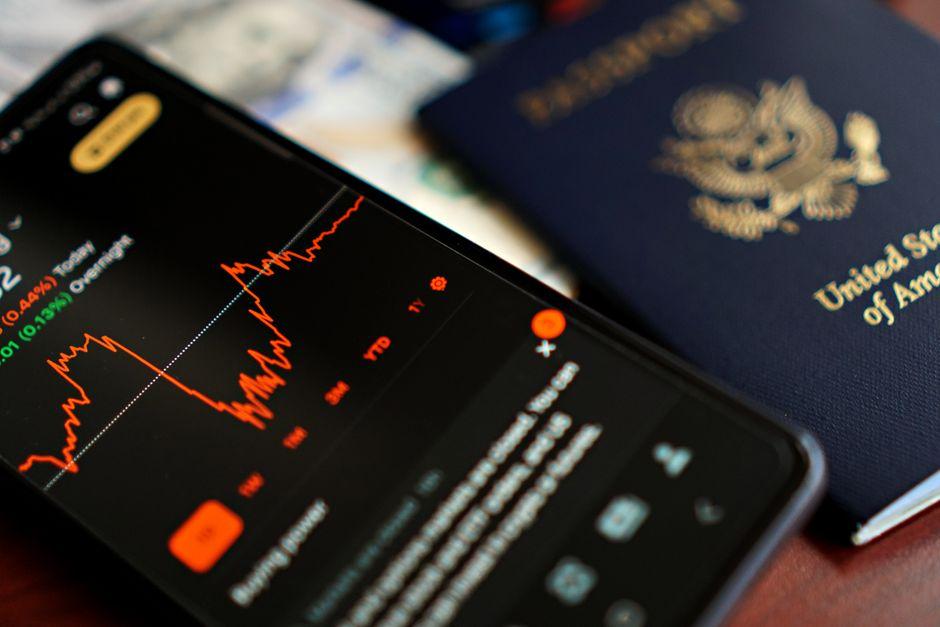
The Illusions and Realities Behind Investing in a Second Passport
Investing in a second passport is often portrayed as a straightforward ticket to global freedom, yet the reality bristles with nuance that demands careful scrutiny. The allure of visa-free travel and enhanced personal security can overshadow the intricate legal, economic, and political dimensions at play. Not all second passports hold equal weight-some offer substantial economic leverage and geopolitical benefits, while others may simply function as luxury commodities with questionable long-term value. The key is to distinguish between transactional acquisition and strategic citizenship. A passport obtained through citizenship-by-investment programs, for example, can be a double-edged sword: rapid and convenient, but vulnerable to evolving political climates, regulatory crackdowns, and shifting international perceptions. Moreover, the often-cited “easy exit” narrative neglects the responsibilities and tax implications that come with dual nationality, which vary drastically by country and can transform an apparent advantage into a complex liability.
The trade-offs become clearer as one considers the broader implications beyond passport prestige. What does the investment signify in terms of cultural integration, legal rights, or economic contribution? A second passport is not merely an asset; it’s a gateway to a new socio-political ecosystem. Here are critical factors to weigh:
- Stability vs. Accessibility: Passports from politically stable nations typically offer lasting value but may feature more stringent eligibility requirements.
- Cost vs. ROI: High entry costs don’t guarantee proportionate benefits; sometimes, moderately priced passports from smaller, less-publicized nations provide better regional access or taxation advantages.
- Visibility vs. Discretion: High-profile second citizenships may bring scrutiny from tax authorities and limit anonymity, whereas less conspicuous options often operate under the radar.
| Passport Attribute | Illustrative Impact | Common Misconception |
|---|---|---|
| Visa-Free Access | Enhanced mobility but fluctuates with geopolitical shifts | “Permanent visa freedom” |
| Tax Implications | Potential obligations for global income | “Tax haven status” |
| Legal Rights | Varied voting, property ownership, and social service access | “Equal citizen privileges” |
Ultimately, the smartest investments in second citizenship are not about “buying” passports but about cultivating options that align with one’s long-term personal and professional goals. Approaching this process with savvy-balancing immediate benefits against evolving global realities-transforms an alluring illusion into a resilient, empowering reality.

Navigating the Complex Trade-offs of Dual Citizenship Acquisition
Acquiring dual citizenship is often portrayed as a straightforward windfall-more freedom, more options, more security. However, this narrative glosses over a labyrinth of legal, financial, and psychological complexities. Dual citizenship is far from a universal upgrade; it’s a strategic recalibration demanding careful scrutiny of tax obligations, military service requirements, and even identity implications. For example, countries like the United States and France tax worldwide income regardless of residency, nullifying the often-touted tax benefits. Meanwhile, nations such as Singapore or Israel impose mandatory military service that can disrupt careers and personal plans. This means the “freedom” gained can come at hidden costs, and only by discerning which citizenship aligns with your long-term mobility, fiscal strategy, and lifestyle goals can you avoid becoming ensnared in unintended obligations.
Moreover, the geopolitical volatility embedded in many second citizenship programs demands a selective, future-oriented mindset. Not all passports are created equal when balanced against global unrest, shifting visa agreements, or tightening immigration policies. For instance, a Caribbean passport may unlock visa-free access to Europe and parts of Asia but offers limited protections in times of crisis or travel restrictions from Western powers. In contrast, European Union citizenship brings unparalleled intra-continental rights but exposes holders to complex bureaucratic entanglements and sometimes contentious local political climates. To optimize dual citizenship, the global citizen must weigh:
- Legal liabilities: Understand bilateral treaties, exit taxes, and potential statelessness issues;
- Economic impact: Analyze total tax exposure and costs of maintaining dual status;
- Security and mobility: Map out geopolitical risks and the true breadth of travel freedom;
- Cultural fit: Consider psychosocial integration and identity coherence, which influence quality of life beyond paperwork.
| Passport Type | Mobility | Tax Complexity | Security Risk |
|---|---|---|---|
| Caribbean CIP | High visa-free travel | Low (depends on residency) | Moderate (limited consular support) |
| EU Citizenship | Extensive European access | High (tax and social contributions) | Low to moderate (varies by country) |
| US Passport | Very high global access | Very high (worldwide taxation) | Low (strong consular network) |
Ultimately, the decision to “buy” a second passport should not hinge solely on prestige or raw accessibility. Real wisdom lies in decoding the nuanced trade-offs-where legal frameworks intersect with personal values, and global ambitions meet local realities. Ignoring these subtleties risks transforming a powerful asset into an expensive liability. Hence, a meticulously tailored acquisition plan, often requiring expert legal and financial counsel, is indispensable for tomorrow’s global citizen who seeks not just passports, but strategic sovereignty.
Beyond Status Symbols Exploring the Strategic Value of Multiple Nationalities
Owning multiple nationalities is frequently portrayed as a luxury symbol-a badge flaunting global mobility and elite status. However, the true strategic value transcends mere prestige. Multiple citizenships unlock pragmatic vectors of opportunity: enhanced geopolitical resilience, optimized tax planning, and diversified access to education and healthcare systems. This multi-dimensional utility challenges the reductive narrative that second passports are only for jet-setting elites. Instead, they serve as intelligent geopolitical hedges in an era of growing nationalism, erratic immigration policies, and unpredictable economic cycles. However, the acquisition of a second nationality demands more than financial capacity; it requires an astute calibration of citizenship benefits against personal and professional priorities. For instance, a country offering visa-free entry to 150+ nations but with high fiscal obligations might be less advantageous than a jurisdiction with moderate mobility but robust social services and lower tax burdens.
In evaluating the strategic value of multiple nationalities, one must weigh specific trade-offs with surgical precision. Consider the balance between mobility vs. sovereignty obligations, where some passports impose mandatory military service or strict tax residency requirements-factors often overlooked in popular discourse. Moreover, the bureaucratic complexities involved in maintaining these citizenships can create subtle liabilities, such as conflicting legal obligations or diplomatic entanglements. A comparative lens sharpens these distinctions:
| Passport Attribute | Advantage | Potential Trade-off |
|---|---|---|
| Visa-Free Travel | Global business & leisure flexibility | Less impact if rarely traveling internationally |
| Tax Benefits | Legal tax optimization and wealth protection | Complex compliance, risk of dual tax residency |
| Social Services Access | Healthcare, education, and welfare security | Civic obligations or limited rights in other domains |
- Recommendation: Prioritize a citizenship portfolio that aligns closely with your core life and business goals rather than chasing the highest possible visa rankings.
- Recommendation: Regularly reassess the geopolitical landscape to avoid complacency; what is advantageous today may impose burdens tomorrow.
Unpacking the Risks: When a Second Passport Could Backfire
While acquiring a second passport often promises unparalleled mobility and new economic opportunities, it’s critical to recognize that this path is not a guaranteed panacea. The assumption that a second nationality straightforwardly translates into enhanced freedom ignores a complex web of legal, political, and social realities. For instance, some countries impose stringent taxation rules on their citizens regardless of residency, potentially turning a seemingly attractive passport into a financial albatross. Additionally, diplomatic protection-often cited as a key benefit-can become murky if the second nationality is not officially recognized by your home country or if geopolitical tensions pit your nations against each other. This duality can blur lines of allegiance and jeopardize consular assistance when it’s most needed.
From a strategic perspective, discerning global citizens must weigh not only the passport’s travel perks but also its long-term implications beyond visa-free access. Consider the following trade-offs when evaluating a citizenship-by-investment program:
- Reputational Impact: Citizenship from jurisdictions with perceived political instability or weak governance can complicate international business relations rather than facilitate them.
- Exit and Entry Complexities: Some nations impose exit taxes or require extensive reporting on foreign assets, which might encumber those looking to retain or relinquish their original nationality.
- Investment vs. Privacy: Higher investment thresholds often correlate with stronger due diligence, affecting privacy and ease of acquisition-a vital nuance for individuals prioritizing discretion.
- Legal Ambiguities: Passport legitimacy and the risk of revocation are real concerns; citizenships obtained through economic means may face increased scrutiny or legislative rollback during shifting political climates.
| Risk Factor | Potential Consequence | Nuanced Recommendation |
|---|---|---|
| Tax Residency Rules | Unexpected global taxation burdens | Consult tax specialists to align citizenship with tax domicile strategies |
| Geopolitical Shifts | Loss of diplomatic protection | Choose passports from politically stable, allied countries |
| Investment Requirements | Cash flow constraints, privacy loss | Balance between budget and program rigor to fit personal priorities |
Ultimately, a second passport is a sophisticated tool, not a silver bullet. The savvy global citizen approaches it with a toolkit of critical lenses-legal, financial, and geopolitical-rather than a simplistic checklist of visa stamps.
Weighing Alternatives to Passport Buying for the True Global Nomad
For the discerning global nomad, the instinct to bypass the complex process of acquiring a second passport through residency or lineage in favor of direct citizenship by investment is compelling, yet it’s not a one-size-fits-all solution. While “buying” a passport offers unparalleled speed and legal clarity, it demands an upfront financial outlay often unavailable to many. Moreover, these passports vary widely in global mobility and economic stability, making the choice about which program to pursue a strategic exercise, not a mere transaction. Conversely, traditional paths-such as naturalization through extended residence or ancestral claims-can embed a deeper cultural and social connection, often conferring soft benefits like local business advantages or more seamless integration into society. The trade-off here lies in patience and effort versus immediacy and financial cost; true global citizenship isn’t solely about visas but also where one can effortlessly establish roots.
Weighing these alternatives demands a nuanced lens that goes beyond headline benefits. Consider the following comparative snapshot of key factors that influence the value of alternative passports for the global citizen:
| Factor | Citizenship by Investment | Naturalization (Residency/Ancestry) |
|---|---|---|
| Time to Citizenship | Months | Years (3-10+ depending on country) |
| Financial Cost | High (tens to hundreds of thousands USD) | Low to moderate (mainly living expenses) |
| Integration Depth | Limited cultural ties | Stronger ties through lived experience |
| Global Mobility | Variable, often competitive | Highly variable, depends on country’s stature |
| Renewal & Maintenance | Typically none beyond initial investment | May require continued residence or conditions |
For the true global nomad, the sharpest move may stem from a blended approach: leveraging rapid citizenship-by-investment programs as a strategic foundation, while cultivating deeper local ties through extended stays, language acquisition, or business ventures that potentially unlock naturalization benefits. This mosaic approach prioritizes not only flexibility and enhanced mobility but also resilience in an increasingly reshaped geopolitical landscape, where the durability of “bought” passports can sometimes be tested by changing governments and policies. Ultimately, the decision must be grounded in a clear-eyed assessment of one’s long-term lifestyle, risk tolerance, and a commitment to thoughtful global belonging over transactional citizenship. The smartest citizens of tomorrow will see passports not just as documents, but as dynamic tools of empowerment and identity.
Future Outlook
In a world where borders shift and uncertainties abound, securing a second passport is more than a strategy-it’s a gateway to freedom, flexibility, and future-proofing your global identity. For the modern citizen navigating the complexities of tomorrow, this isn’t just about possession of a travel document; it’s about embracing opportunity, resilience, and the power to choose your own path. As boundaries evolve, so too must our approach to mobility-making the pursuit of a second passport one of the sharpest moves you can make in an ever-changing world.




