
In a world increasingly defined by mobility and opportunity, the concept of citizenship is evolving beyond traditional boundaries. “Beyond Borders: Journeys Through the Challenges and Rewards of Investment Citizenship Countries” delves into this transformative phenomenon where passports are more than mere travel documents-they’re gateways to new lives, economic prospects, and global horizons. This exploration navigates the complex terrain of investment citizenship programs, revealing the intricate balance between aspiration and regulation, promise and prudence. Through these journeys, we gain insight into how individuals and nations alike redefine identity, sovereignty, and the meaning of belonging in an interconnected era.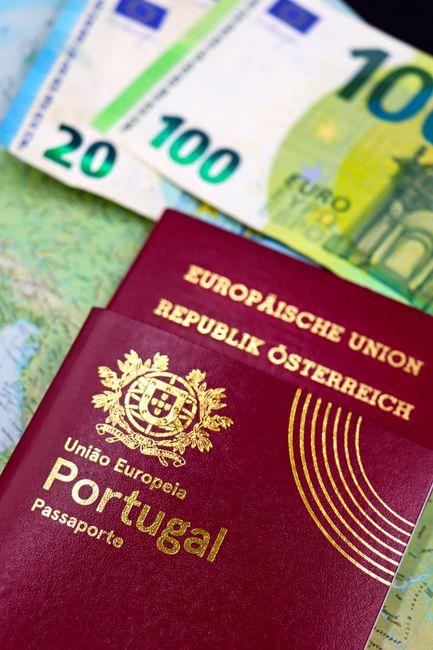
Navigating Personal Motivations and Global Ambitions in Investment Citizenship
- Balancing personal motivations with global ambitions often feels like walking a tightrope. Take the case of Emma, a tech entrepreneur from Canada, who sought investment citizenship to gain easy access to Asian markets and enhance her business network. Initially, she viewed the process purely as a strategic business move. However, Emma soon realized that her motivations extended beyond market access-she wanted a lifestyle change, better education options for her children, and a stronger sense of security amid global uncertainties. This broadened perspective shifted her criteria for choosing a program, emphasizing quality of life and long-term community integration alongside economic benefits. The lesson? Investment citizenship journeys are rarely linear; they evolve as personal and professional priorities intersect, reflecting a richer, more complex picture than just economic convenience.
- Global ambitions don’t always align perfectly with the expectations set by investment citizenship programs. Consider Ahmed from the UAE, who expected immediate international mobility after obtaining his new passport through an investment scheme. The reality, however, was a gradual unfolding of benefits involving bureaucratic steps, unexpected residency requirements, and cultural adjustments. His experience underscores a crucial point: expectations need careful calibration. When considering investment citizenship, it’s important to ideate not only on visa-free travel or tax incentives but to anticipate challenges like integration, compliance, and local legal nuances. The contrast between hopeful enthusiasm and practical results highlights the value of thorough due diligence, realistic goal-setting, and ongoing engagement with the communities invested programs aim to connect you with.
| Motivation | Typical Expectation | Reality / Lesson Learned |
|---|---|---|
| Business expansion | Instant market access and growth | Requires cultural adaptation and local relationships |
| Enhanced family security | Seamless lifestyle transition | Needs time and effort to integrate socially and legally |
| Global mobility | Immediate visa-free travel | Often a phased benefit with residency or documentation delays |

Unpacking the Complexities of Legal and Financial Hurdles Abroad
- The Legal Labyrinth Often Surprises: Take the example of Anna, a tech entrepreneur from Germany seeking citizenship in a Caribbean country through investment. Initially, she expected a straightforward process-make the payment, submit the paperwork, and wait. However, she soon discovered layers of legal requirements unfamiliar to her: notarizations she hadn’t anticipated, complex due diligence tests that extended timelines, and the need for specialized local legal counsel. Each step revealed a web of regulatory nuances-such as compliance with local anti-money laundering laws-that made her realize no two countries-or even programs within the same region-offer identical experiences. Anna’s story underscores a vital lesson: Investing time in understanding the precise legal requirements beforehand is not just helpful but essential to avoid costly delays or disqualification.
- Financial Commitments: More Than a Transaction: Meanwhile, consider Jamal, a real estate investor from Canada, who pursued citizenship-by-investment through property acquisition in Europe. His initial assumptions about costs focused largely on the purchase price, yet additional financial hurdles emerged, from unexpected local taxes on foreign buyers to mandatory government fees and ongoing maintenance expenses. An important decision point arose when Jamal had to evaluate whether the return on investment justified these recurrent costs, especially given currency fluctuation risks. His experience reveals common pitfalls and the need for comprehensive financial modeling that includes:
Cost Component Expected Actual/Considered Investment Amount €250,000 €250,000 Legal Fees €5,000 €12,000 (due to additional compliance) Government Processing Fees €10,000 €15,000 Annual Property Maintenance Not considered €6,000 - Lesson: A holistic financial approach is critical-not just bracket your budget for the headline investment, but prepare for legal, governmental, and ongoing costs.
Transformative Moments When Investment Paths Take Unexpected Turns
- Maria’s Shift from Caribbean Charm to European Stability: Originally drawn to the Caribbean Citizenship-by-Investment (CBI) programs for their relaxed lifestyles and fast-track processing times, Maria envisioned a smooth blend of investment and personal freedom. However, midway through her journey, geopolitical tensions in the region caused delays and uncertainties around visa privileges she’d initially counted on. Faced with increasingly complex consular procedures and changing tax regulations, she pivoted toward a lesser-known European program with more stringent application requirements but far greater long-term stability and global mobility. This shift was not merely administrative-it reshaped her family’s future plans, emphasizing the value of foresight over speed in investment choices.
- Unexpected Lessons from a Tech Entrepreneur in Asia: When Ravi committed to an Asian investment citizenship program offering access to a booming market, he expected economic growth to translate directly into personal gain. Yet, regulatory changes aimed at curbing foreign real estate ownership dramatically altered the benefits of his investment, forcing him to reconsider the underlying assumptions of wealth creation through citizenship-by-investment. His experience highlighted a crucial lesson: alignment between personal investment goals and evolving local policies is never static. Ravi documented three key takeaways, which serve as a useful checklist for prospective investors:
| Key Decision Point | Expectation | Outcome & Lesson Learned |
|---|---|---|
| Investment Focus | Immediate access to real estate market growth | New ownership restrictions limited returns; flexibility is essential |
| Program Stability | Static legal framework | Rapid regulatory shifts required ongoing vigilance |
| Long-Term Mobility | Visa-free travel aligned with economic expansion | Policy recalibrations emphasized diversified citizenship strategies |
Insights from Diverse Stories of Success and Setbacks Across Borders
- Jessica’s pursuit of EU citizenship through investment: A software entrepreneur from Brazil, Jessica was drawn to Portugal’s Golden Visa program, hoping for a straightforward path to European residency. However, her journey revealed the nuanced hurdles of bureaucratic delays and stringent document requirements. After submitting her investment in real estate, she encountered unexpected demands for additional financial proof and slower-than-anticipated processing times. The key lesson was clear: even well-known programs require persistent diligence and contingency planning. Jessica’s case underscores how initial optimism must be tempered with flexibility and patience, especially when relying on local intermediaries whose efficacy varies widely.
- Ahmed’s Caribbean citizenship experience-expectations versus reality: For Ahmed, a businessman from the Middle East, the Caribbean’s citizenship-by-investment options promised rapid citizenship and visa-free travel within months. The initial processes aligned with these claims, but complications emerged when he tried to integrate the new passport into his global mobility strategy. He discovered that some airlines and banks were skeptical of newer passports from certain jurisdictions, causing delays and extra verification. This setback shed light on a less-discussed reality: the value of investment citizenship often extends beyond government approvals to how it’s recognized worldwide. Ahmed’s story highlights the importance of understanding the ecosystem beyond legal acquisition-how reputation and acceptance can influence the long-term utility of a second passport.
| Investor | Country | Initial Expectation | Experienced Challenge | Lesson Learned |
|---|---|---|---|---|
| Jessica | Portugal | Quick processing and simple bureaucracy | Delayed approvals, complex document requirements | Prepare for procedural delays; verify intermediary reliability |
| Ahmed | Caribbean | Fast citizenship with global acceptance | Passport skepticism by institutions | Evaluate global recognition and practical use beyond government approval |
Evaluating the Long Term Impact on Identity and Opportunity Through New Nationalities
When Maria, a successful entrepreneur from Brazil, decided to pursue investment citizenship in Portugal, she imagined a transformative experience-not just in terms of access to new markets, but in reshaping her own identity. Initially drawn by the practical benefits of visa-free travel across Europe, she soon encountered a more complex reality. Granting citizenship through investment can indeed open doors, but it also challenges notions of belonging and cultural integration. Maria’s story reflects a broader truth: acquiring a new nationality doesn’t automatically translate into feeling fully part of that society. Many investors find themselves navigating a liminal space, where legal rights are granted but social acceptance and emotional ties take longer to develop. Her decision point-whether to engage deeply with the local culture or maintain her established global lifestyle-highlighted how investment citizenship can redefine personal identity in ways that are both enriching and unsettling.
This dynamic has important implications when evaluating long-term opportunities linked to new nationalities. Consider the case of Ahmed, who gained citizenship in a Caribbean nation primarily to expand business opportunities in the Americas. While his expectation was straightforward-access business privileges and tax incentives-the reality was more nuanced. Over time, Ahmed realized that the “value” of his second passport went beyond mere convenience. It prompted him to reassess his own identity and connections, eventually leading to a hybrid lifestyle blending multiple cultural influences. This has benefits, such as increased adaptability, but also poses challenges related to loyalty, legacy, and even potential conflicts in allegiance. Below is a simplified breakdown of key lessons we can draw from such experiences:
- Legal status vs. cultural integration: Citizenship grants official recognition, but acceptance within the community often requires time and effort.
- Opportunity access: Immediate benefits like business expansion and mobility can be tangible, but long-term opportunities often depend on how investors leverage their new identity.
- Identity evolution: New nationalities can catalyze complex personal transformations, prompting investors to renegotiate their cultural and social ties.
- Expectation management: Understanding that investment citizenship carries nuances beyond immigration law helps align decisions with long-term aspirations.
| Aspect | Expectation | Reality |
|---|---|---|
| Identity | Instant cultural belonging | Gradual integration with ongoing emotional complexities |
| Opportunity | Immediate business and travel benefits | Long-term growth linked to strategic community engagement |
| Legacy | Simple addition to personal portfolio | New nationality reshaping family narratives and future plans |
Wrapping Up
As we close this exploration of investment citizenship, it becomes clear that these journeys extend far beyond mere paperwork and visas. They are emblematic of a deeper quest-a pursuit of new beginnings, economic opportunity, and personal freedom that transcends geographic and cultural boundaries. While the path is often strewn with complexities and critical decisions, the rewards offer not just a passport, but a broader horizon on life itself. In navigating the challenges and embracing the possibilities, investors chart a course that redefines what it means to belong-reminding us that citizenship today is not just about place, but about potential.




