
In an increasingly interconnected world, the concept of citizenship is evolving beyond birthplace and heritage, opening new pathways through the lens of investment. Citizenship by Investment (CBI) programs have emerged as both gateways and puzzles-offering unique opportunities while posing complex challenges. From securing economic advantages to navigating legal intricacies, these programs beckon individuals to cross not just geographical boundaries, but also the traditional definitions of identity and belonging. In this exploration, we delve beyond borders, unpacking the multifaceted landscape of citizenship by investment, and illuminating the delicate balance between ambition and accountability that defines this modern phenomenon.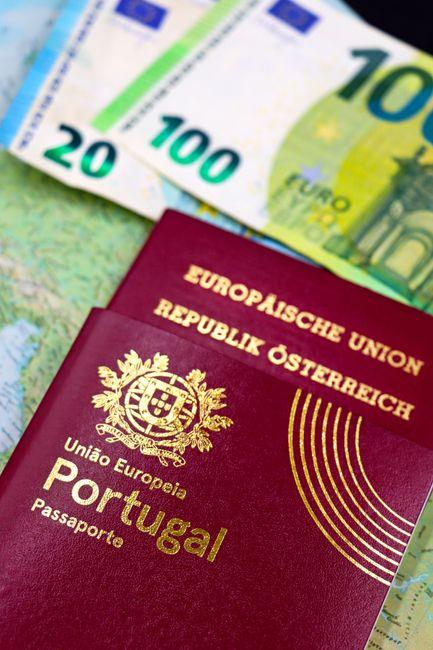
The Personal Journeys Behind the Pursuit of New Citizenship
- Maria’s Quest for Security: For Maria, a business owner from Venezuela, the decision to pursue citizenship by investment was less about luxury and more about stability. Facing an unpredictable economic climate and political unrest, Maria initially believed that acquiring a second passport would be a straightforward ticket to personal and professional security. However, her journey revealed complexities she hadn’t anticipated-such as navigating varying residency requirements and waiting periods that challenged her timeline. It was through careful research and connecting with others who had walked similar paths that Maria learned the importance of choosing a program aligned with her long-term plans rather than immediate benefits. Her experience highlights how expectations of a quick, seamless process often contrast sharply with administrative realities, underscoring patience and due diligence as key lessons.
- David and Lina’s Family Empowerment: David and Lina, a couple from the Middle East, took a different approach, motivated by the desire to secure better educational opportunities for their children. Initially, they assumed that citizenship by investment was primarily a financial maneuver. However, as they progressed, they encountered decisions about balancing investment thresholds, dual citizenship laws, and the cultural implications of relocating, even temporarily. Their story illustrates not just the transactional nature of the process but the personal transformation involved-negotiating identity, belonging, and future aspirations. Through this experience, they discovered that citizenship acquisition can be as much about emotional and social recalibration as it is about paperwork and capital. Their journey serves as a reminder that these programs impact lives in nuanced, deeply human ways beyond their marketed promises.

Confronting Complexities in Global Investment Migration
When Elena, a tech entrepreneur from Eastern Europe, first explored citizenship by investment (CBI) to access new markets and freedom of movement, she encountered a reality far more intricate than the glossy brochures promised. The initial allure of fast-tracked passports and visa-free travel often clashes with the pragmatic hurdles lurking beneath the surface. Many investors underestimate the extensive due diligence, shifting geopolitical landscapes, and nuanced legal frameworks that define these programs. For example, a Caribbean CBI scheme might offer quick processing times but demand rigorous transparency checks and ongoing compliance-a contrast to Elena’s expectation of a simple transactional process. This complexity forces applicants to reassess their goals, weigh risks more carefully, and sometimes pivot mid-journey as regulatory scrutiny tightens or economic incentives fluctuate.
- Decision Point: How to balance speed and security? Some applicants prioritize faster citizenship over thorough vetting, but this can backfire if applications are rejected or revoked later.
- Lesson Learned: Due diligence is two-way. While countries vet applicants, investors must also vet program stability and political risk.
| Expectation | Reality |
|---|---|
| Seamless global mobility within months | Processing delays due to evolving anti-money laundering rules |
| One-time payment, permanent citizenship | Additional fees and renewal requirements arise |
| Simplified legal procedures | Complex documentation often requiring lengthy professional support |
Another layer of complexity emerges when considering the interplay between nationality laws and international relations. Take Abdul, who chose a South American country’s investment program seeking to diversify his family’s options in the face of regional instability. Yet, after completing a multimillion-dollar real estate investment, he faced unexpected limitations: dual citizenship restrictions in his home country, and diplomatic tensions that suddenly altered visa policies for his new passport. These realities underscored how geopolitical shifts can swiftly reshape the rewards once assumed stable. Investors like Abdul learn that citizenship by investment is never solely a financial decision – it is entwined with understanding complex legal frameworks, cultural dimensions, and the broader political environment that continually transforms the global landscape.
Balancing Security Concerns with Economic Opportunities
When Elena, a successful entrepreneur from Eastern Europe, first explored citizenship by investment (CBI) programs, her eyes were set on the freedom to travel more easily and expand business horizons. However, what she encountered was a complex landscape where the promises of economic opportunity often clashed with stringent security measures. Countries offering these programs find themselves walking a tightrope: on one side, the influx of capital and global talent fuels growth and development; on the other, the risk of inadvertently enabling illicit activities looms large. For instance, after an initial surge in investor applications, one Caribbean nation had to tighten due diligence protocols following incidents where applicants with questionable backgrounds slipped through, causing reputational damage and prompting a costly revamp of their vetting process.
This give-and-take highlights the critical decision points governments face: how to keep the program attractive while ensuring robust safeguards. Lessons from various jurisdictions emphasize that transparency, continuous monitoring, and collaboration with international agencies become non-negotiable pillars. The balance is delicate-lean too far toward leniency, and the program risks becoming a backdoor for money laundering or security threats; enforce too rigid controls, and potential investors may turn away. The table below encapsulates some key contrasts that program administrators have to navigate:
| Expectation | Reality |
|---|---|
| Fast, streamlined application processing | Lengthy checks and periodic reviews required to ensure security |
| Simplified investor criteria to boost applications | Enhanced due diligence essential to maintain trust and compliance |
| Immediate economic injection upon investment | Delayed benefits while ensuring funds are legitimate and well-allocated |
- Key takeaway: Successful CBI programs adopt a dynamic approach that evolves with emerging threats without sacrificing their core economic objectives.
- Real-world impact: Investors like Elena appreciate transparent communication about delays and security measures, which, while inconvenient, ultimately protect their interests and the program’s integrity.
Lessons from Successes and Setbacks in Citizenship by Investment
- Case Study: Malta’s Balanced Approach
When Malta launched its Individual Investor Programme (IIP), it anticipated a surge of applications from high-net-worth individuals seeking EU citizenship. The government was cautious, implementing stringent background checks and investment thresholds to avoid the reputation risks that had plagued earlier programs elsewhere. Initially, the program attracted a wave of applicants, but Malta soon faced criticism regarding transparency and due diligence standards. Learning from early setbacks, authorities tightened their vetting processes without compromising the program’s appeal. This recalibration not only restored confidence but also set a precedent where security and attractiveness coexist. The lesson here underscores the critical balance between rigor and accessibility-governments must avoid shortcuts in process without alienating genuine investors. - Expectation vs Reality: The Caribbean’s Mixed Outcomes
The Caribbean region, with countries like St. Kitts and Nevis and Dominica, has long championed citizenship by investment as a boost to their economies. The expectation was simple: attract investment to fund infrastructure and social programs while offering global mobility to investors. Yet, some programs faced setbacks due to abuse concerns and fluctuating demand influenced by global politics or economic crises. In Dominica, a decision point arose-whether to continue relaxing criteria to increase inflow or to impose more stringent controls. The country chose increased diligence while enhancing transparency, which resulted in a more stable, though slower, applicant pool. This contrast between initial expectations and evolving realities highlights an important takeaway: flexibility and responsiveness to external conditions can safeguard the integrity and longevity of CBI programs.
Looking Ahead to the Future of Competitive Residency Programs
- Rising Demand and Increasing Competition: Consider the experience of Emma, a tech entrepreneur from Brazil who sought residency in Europe through investment. Initially optimistic about leveraging a popular program in Portugal, she soon discovered application backlogs stretching over a year, extensive due diligence, and stricter financial thresholds due to heightened demand and program reforms. Emma’s journey highlights a growing trend-competitive residency programs are becoming more selective, often requiring larger investments and deeper scrutiny to ensure alignment with national interests.
- Balancing Speed with Scrutiny: In contrast, take Ahmed from the UAE, who prioritized a swift process to accommodate his expanding business. He targeted a Caribbean country’s program known for efficiency, only to find that despite quick approvals, post-investment obligations and annual reviews introduced unexpected complications. This juxtaposition reveals a crucial lesson for future applicants: faster routes may come with trade-offs, such as ongoing compliance burdens or less program stability, underscoring the importance of thorough research beyond initial timelines.
| Factor | Expectation | Reality |
|---|---|---|
| Application Processing Time | Fast (3-6 months) | Often extended due to demand (6-18 months) |
| Investment Threshold | Moderate ($100,000 – $200,000) | Increasing ($250,000+ in many programs) |
| Due Diligence Rigor | Basic background check | Enhanced, multi-agency screening |
Looking ahead, prospective investors and applicants must navigate an evolving landscape where governments refine admissions policies reflecting geopolitical dynamics and economic priorities. The stories of applicants like Emma and Ahmed underscore the critical need to balance expectations with adaptability – planning for longer timelines, higher investments, and rigorous compliance. Programs are expected to continue innovating, possibly integrating more personalized assessment criteria or leveraging technology to streamline yet fortify processes. Ultimately, success will depend on marrying strategic foresight with patience and due diligence.
In Retrospect
As the world grows ever more connected, citizenship by investment programs open doors that transcend geography and tradition. Navigating these pathways requires careful thought-balancing the allure of new opportunities against the complexities they entail. Ultimately, stepping beyond borders through such programs challenges us to redefine notions of identity, belonging, and security in a rapidly evolving global landscape. Whether seen as a strategic move or a life-changing adventure, the journey through citizenship by investment reminds us that in today’s world, citizenship is not just about where you come from, but also where you choose to go.




