
In an increasingly interconnected world, the idea of acquiring a second citizenship through investment-a passport bought rather than earned-has captivated the ambitions of global citizens. Promising new horizons, greater mobility, and potential economic advantages, this novel pathway seems like a golden ticket to freedom and opportunity. Yet, beneath the glossy brochures and alluring promises lies a web of complex trade-offs-legal uncertainties, ethical debates, and unforeseen social consequences-that rarely make the headlines. This article peels back the curtain on the hidden costs and compromises embedded in the passport-for-investment phenomenon, inviting readers to explore the nuanced realities beyond the surface glamour.
The Unseen Costs Lurking Behind the Appeal of Second Citizenship
The allure of second citizenship via investment often glosses over profound and multifaceted costs that transcend mere financial outlays. Beyond the upfront capital requirements, applicants must grapple with the rigorous due diligence processes, which can extend over months and expose personal financial histories and business relationships to intense scrutiny. This not only risks privacy but can lead to unexpected reputational repercussions if any discrepancies arise. Furthermore, while headline figures focus on investment sums, hidden expenses such as government fees, legal counsel, tax advisory, and ongoing maintenance of the investment frequently push total expenditure significantly higher than anticipated. These layered costs, often underestimated, demand a strategic cost-benefit analysis rather than a simplistic transactional mindset.
Beyond monetary considerations, the trade-offs in sociopolitical and emotional dimensions are equally critical yet widely overlooked. Second citizenship is frequently promoted as an unalloyed gateway to global mobility and enhanced security; however, the geopolitical volatility surrounding certain passports can abruptly undermine these benefits. For instance, passports from countries with weaker diplomatic standing or shifting visa agreements may lose value rapidly, turning what was perceived as a safe haven into a tenuous asset. Moreover, the emotional toll-stemming from divided loyalties, identity tensions, and potential legal obligations (such as military service or tax compliance)-is an intangible yet profound price. Prospective investors must therefore view second citizenship not just as a financial transaction but as a complex, long-term commitment that reshapes personal and civic identity in irreversible ways.
When Convenience Comes with a Price Dynamic Trade-Offs in Passport-by-Investment Programs
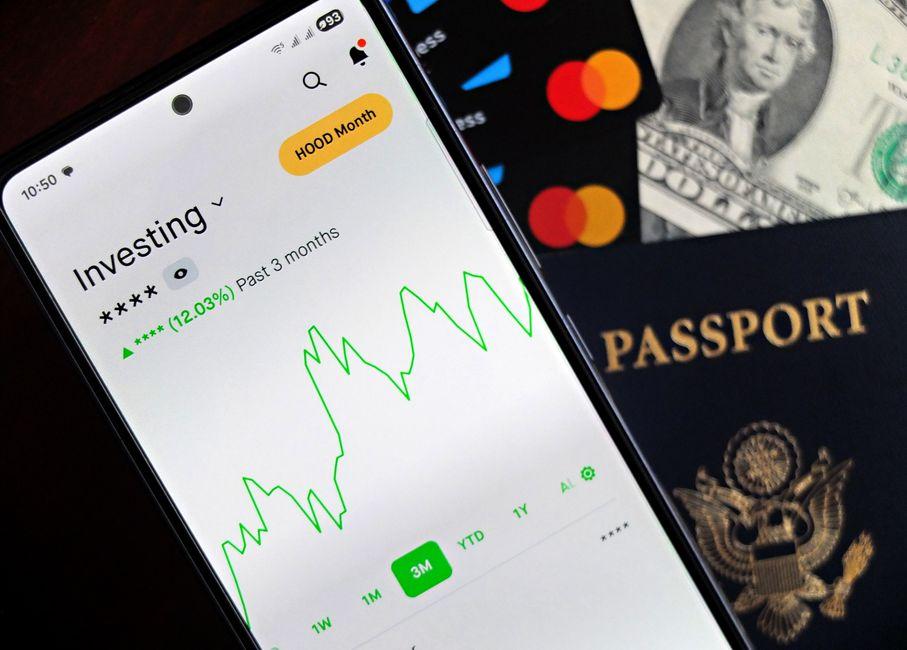
The promise of immediate convenience in passport-by-investment schemes often masks intricate compromises that buyers must navigate. Unlike traditional citizenship paths, these programs offer a seemingly swift solution but sidestep fundamental aspects of national integration-such as cultural assimilation, long-term legal commitments, and genuine political ties. This trade-off poses a critical risk: holders gain mobility and business flexibility at the expense of potentially transient political protection and social belonging. While the transactional nature of these passports appeals to global entrepreneurs and digital nomads, it also commodifies identity, which can lead to fluctuating international perceptions and even diplomatic complications. The essential tension lies between convenience and authenticity: buyers acquire convenience without necessarily embedding themselves in the socio-political fabric of their new country, a nuance often overlooked in marketing claims.
Pragmatically, investors should weigh convenience against the sustainability of their new citizenship status. For example, some programs impose stringent residency requirements or impose periodic financial contributions after conferral, which questions the notion of a one-time “buy-and-own” deal. Additionally, such passports can face scrutiny or restrictions from other nations concerned about security or tax evasion, undermining their utility. Below is a clear comparison of common trade-offs:
| Aspect | Immediate Convenience | Long-Term Considerations |
|---|---|---|
| Residency Requirement | Often minimal or waived | Potential mandatory visits or renewals |
| Global Mobility | High immediate mobility | Subject to geopolitical shifts or restrictions |
| Social Integration | Largely negligible | Risk of isolation or limited rights locally |
| Financial Obligation | Lump sum investment | Potential ongoing fees or reinvestments |
Ultimately, while passport-by-investment offers a shortcut around bureaucratic hurdles, it demands careful scrutiny beyond the initial allure. A discerning investor should prioritize programs that balance ease with robustness-encouraging meaningful ties that safeguard citizenship beyond pure convenience. This marks the difference between a transactional advantage and a durable, respectful adoption of a new national identity.
Beyond the Hype Smarter Routes to Global Mobility Without Buying a Passport
- Rethinking citizenship as the ultimate mobility hack: The prevailing narrative glorifies second passports as the easy gateway to unfettered global movement, but this overlooks practical, often overlooked alternatives. Residency-by-investment programs, digital nomad visas, and long-term business permits frequently offer comparable flexibility – without the hefty price tag or the complex legal entanglements of full citizenship. For example, countries like Portugal and Georgia provide attractive residency options with relatively modest investment thresholds, opening doors to the EU or Eurasian markets without forcing a total legal and social reset that citizenship entails.
- The real trade-offs-clarity beyond the sticker price: Citizenship buying schemes rarely account for indirect costs such as tax complexities, social integration challenges, and shifting geopolitical landscapes. More importantly, a passport is not a perpetual golden ticket; policy reforms can suddenly restrict mobility, expose holdings to scrutiny, or affect the value proposition altogether. Smart global travelers and investors focus instead on crafting a diversified, layered migration strategy, balancing short-term mobility benefits against long-term fiscal and personal implications. This might mean combining permanent residencies with strategic tax domiciles and leveraging bilateral visa agreements rather than chasing a singular “holy grail” passport.
| Route | Typical Investment | Mobility Scope | Key Trade-Off |
|---|---|---|---|
| Second Citizenship (CIP) | $100K – $2M+ | High (Visa-Free Travel) | Complex tax obligations; geopolitical volatility |
| Residency-by-Investment | $50K – $500K | Moderate (Reside & Travel Regionally) | Limited political rights; periodic renewal |
| Digital Nomad/Remote Work Visa | Minimal to none | Varies by country; typically 1-2 years | Temporary status; limited integration |
Hard Realities of Dual Citizenship Ownership in a Complex Geopolitical Landscape
Dual citizenship through investment is often marketed as a seamless gateway to global freedom, yet the geopolitical landscape paints a significantly more intricate picture. Possessing passports from multiple countries does not guarantee universal privilege; instead, it forces owners to navigate a labyrinth of conflicting national interests, shifting diplomatic alliances, and divergent legal obligations. For instance, a second passport from a politically volatile or sanctioned nation may ironically restrict travel more than it facilitates it, despite boasting strong local benefits. Meanwhile, dual citizens can face an uncomfortable nexus of competing tax liabilities, military service demands, or sudden policy shifts rooted in international tension. Such dynamics demand a discerning, case-by-case assessment rather than blanket assumptions about second citizenship being a universal shield.
Moreover, the hard realities of owning multiple nationalities are compounded by the subtle but critical risks to personal identity, security, and long-term mobility. It’s not just about passport validity or visa-free scorecards; it’s about how each citizenship interplays within a global chessboard marked by sanctions regimes, immigration restrictions, and espionage concerns. The decision to invest in second citizenship must therefore prioritize:
- Geopolitical stability and trajectory of the issuing country over its immediate fiscal or travel perks.
- The diplomatic reputation and bilateral relations between the new citizenship and one’s primary nationality.
- Potential legal complexities, including tax compliance, dual allegiance conflicts, and renunciation difficulties.
| Aspect | Common Assumption | Nuanced Reality |
|---|---|---|
| Visa-free Access | Instantly expands global mobility. | Can be curtailed by political tensions or sanctions tied to the second country. |
| Legal Obligations | Dual citizenship means double protection. | May entail conflicting duties, from taxes to military service. |
| Investment Returns | Citizenship equals financial gain. | Economic benefits fluctuate with geopolitical and domestic policy shifts. |
In essence, the pursuit of dual citizenship via investment should be approached with a strategic mindset that weighs geopolitical realities as heavily as financial incentives. Smart investors recognize that a passport is not a catch-all solution to global mobility-it’s a geopolitical asset demanding vigilant management and continual reassessment.
Balancing Security and Scrutiny Navigating the Legal and Ethical Maze of Investment Passports
Investment passports sit at a contentious crossroads where national security concerns collide with the lucrative appeal of economic infusion. While proponents champion these programs as engines for development and globalization facilitation, the reality demands a far more discerning approach. The inherent tension lies in striking a balance between welcoming high-net-worth individuals and rigorously vetting candidates to avoid inadvertently enabling money laundering, tax evasion, or even state capture by malign actors. The assumption that robust due diligence is a checkbox exercise is dangerously naive; program architects must prioritize ongoing, dynamic scrutiny over one-off background checks. This necessitates a paradigm shift-from static evaluations to adaptive risk frameworks that integrate geopolitical intelligence, behavioral analytics, and cross-border cooperation. Without this, investment passports risk becoming backdoors to opacity rather than gateways to opportunity.
Crucially, policymakers must resist the urge to blindly equate transparency with security at the expense of efficient investor onboarding. Overregulation can alienate genuine investors, while underregulation imperils national integrity. A nuanced policy might include:
- Tiered vetting processes calibrated by investment size and origin country risk profiles.
- Regular post-grant audits to monitor financial flows and compliance beyond initial eligibility.
- Intergovernmental data-sharing agreements that transcend political cycles and align on red-flag indicators.
- Independent oversight bodies that combine legal, financial, and intelligence expertise to ensure accountability.
| Approach | Benefit | Potential Pitfall |
|---|---|---|
| Strict One-Time Vetting | Faster approvals, investor-friendly | Misses evolving risks, limited control post-issuance |
| Ongoing Monitoring Framework | Dynamic risk management, enhanced security | Higher administrative costs, possible investor attrition |
In essence, reconciling security and scrutiny requires more than more paperwork; it demands innovative governance structures and an unwavering commitment to transparency, balanced by pragmatism. Only then can the promise of investment passports transcend headlines to become instruments of mutual benefit rather than a Pandora’s box of hidden vulnerabilities.
To Conclude
In the quest for global mobility and security, the allure of a second citizenship through investment often shines brightly. Yet, beneath the surface of convenience and opportunity lies a landscape marked by nuanced trade-offs-ethical dilemmas, financial commitments, and the complex interplay of identity and allegiance. As borders blur and citizenship transforms from a mere legal status to a strategic asset, it becomes essential to weigh these hidden costs against the promised benefits. Ultimately, the decision to buy a passport is more than a transaction; it is a choice that echoes across personal values and the broader fabric of our interconnected world.




