
In an era defined by unprecedented global mobility and shifting geopolitical landscapes, the concept of citizenship has taken on new, complex dimensions. Citizenship by investment programs, once niche pathways available only to the affluent, are increasingly reshaping how individuals traverse borders-not just physically, but through the legal and cultural ties that bind nations and identities. Behind every approved application lies a personal journey marked by hopes, challenges, and difficult decisions. This article delves into the intricate stories behind these programs, exploring the motivations that drive people to seek new citizenships, the hurdles they face along the way, and the broader implications of buying belonging in a world where borders are simultaneously more and less restrictive.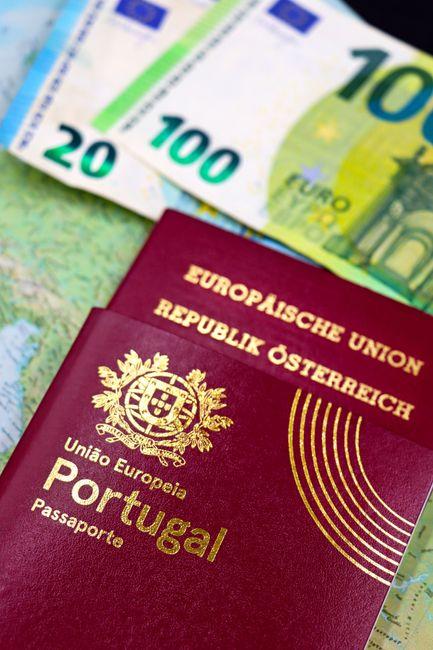
Navigating New Beginnings Through Investment Pathways
When Ana and Raj decided to pursue citizenship through investment, their journey quickly revealed the complex layers beneath the simple promise of “a new homeland in exchange for capital.” For Ana, a tech entrepreneur from Brazil, the choice came down to balancing time constraints against legal requirements. She initially favored a Caribbean program boasting quick processing times but soon realized her expectations of a straightforward process were met with unexpected regulatory paperwork and strict due diligence checks. Meanwhile, Raj, a family man from India, prioritized educational opportunities for his children, which led him to a European program with higher financial thresholds but access to public schooling and healthcare. Their stories underline a vital truth: investment pathways demand careful alignment with one’s personal and professional priorities, rather than chasing speed or lowest costs alone.
Several recurring decision points emerge for those navigating these routes, often involving trade-offs between cost, residency obligations, and the level of political stability promised. Consider this quick breakdown:
| Key Factor | Common Expectation | Typical Reality |
|---|---|---|
| Processing Time | Fast turnaround (under 6 months) | Usually 9-12 months after document submission |
| Investment Size | Minimum threshold equals total cost | Additional fees, taxes, and living expenses increase budget |
| Residency Requirement | No stay necessary | Some programs require at least brief visits annually |
- Lesson Learned: Applicants must dig beyond marketing materials to understand hidden prerequisites and ongoing obligations.
- Decision Point: Whether to engage through agents or seek independent legal consultation can significantly affect the smoothness of the pathway.
- Contrast in Expectation vs Result: Optimism about bureaucracy being minimal often gives way to a reality of persistent follow-ups and adaptive paperwork.
Ultimately, the navigation of these investment pathways is less a transactional “purchase” and more a carefully orchestrated transition-one that benefits greatly from thorough research, realistic timelines, and a clear-eyed view of the evolving regulatory landscape.

Balancing Identity and Opportunity in a Globalized World
For many individuals pursuing citizenship through investment programs, the journey often becomes a delicate dance between preserving their cultural identity and embracing the opportunities that a new nationality might unlock. Take Lina, a successful entrepreneur from Lebanon, who viewed the Caribbean citizenship program as a strategic step for expanding her business network globally. While the passport offered her visa-free access to many countries and considerably simplified travel logistics, Lina soon realized her sense of identity remained deeply tied to her homeland’s traditions and societal ties. This balancing act is common: new citizenship doesn’t erase the emotional and cultural bonds with one’s country of origin, but it does broaden horizons in ways that often require rethinking personal and professional boundaries.
Another example is Rajiv, who invested in a European country’s program primarily to secure educational opportunities for his children. The initial expectation was a seamless transition: new citizenship, new life, new opportunities. Yet, the reality was layered with the challenges of integrating into a different social fabric. He encountered situations where cultural nuances and social customs highlighted contrasts between his upbringing and the norms in his new home. These moments often became decision points-choosing between assimilation and preserving distinct cultural values. Key lessons learned from these journeys emphasize the importance of:
- Long-term cultural adaptation: Citizenship is not just a legal status but an ongoing process of belonging and acceptance.
- Strategic planning: Understanding that investment is only one part of the puzzle; social integration requires effort and openness.
- Realistic expectations: Recognizing that citizenship offers opportunity but also demands a recalibration of identity.
| Expectation | Reality | Decision Impact |
|---|---|---|
| Immediate belonging in new country | Gradual cultural adaptation over years | Commitment to language and customs learning |
| Access to global opportunities | Increased but requires ongoing networking | Active engagement in local and diaspora communities |
Personal Trials and Legal Complexities Beyond the Application
While citizenship by investment programs often promise a straightforward route to a new passport, many applicants find the path is anything but simple. Take, for example, Ana’s experience-she invested heavily in real estate abroad, anticipating a smooth transition, only to face months of unexpected delays due to shifting regulatory requirements and additional vetting procedures. Beyond the checklist of documentation, applicants often encounter a labyrinth of personal challenges: managing cross-border finances, navigating cultural and language barriers, or even grappling with the emotional weight of leaving a homeland. These hurdles underscore that the process is not merely transactional but deeply personal, touching on identity, belonging, and sometimes unexpected legal entanglements.
Legal complexities compound these difficulties. Consider Michael, who assumed that securing investment and passing an initial background check would finalize his citizenship. However, a minor discrepancy in his paperwork led to a prolonged review, illustrating how stringent due diligence can be. Many find themselves facing questions about source of funds verification or post-citizenship tax obligations they hadn’t anticipated. Applicants must weigh decisions carefully-should they rely on local legal experts or international counsel? What happens if policies change mid-application? The contrast between the hopeful expectations and the real-time challenges underscores the importance of thorough preparation and resilience. Here’s a quick glance at common decision points and their implications:
| Decision Point | Potential Challenge | Lesson Learned |
|---|---|---|
| Choosing the investment vehicle | Complexity of documentation varies significantly | Conduct detailed due diligence upfront |
| Engaging legal counsel | Varied expertise levels can impact outcomes | Invest in trusted, experienced advisors |
| Understanding tax implications | Unexpected global tax liabilities | Consult tax professionals early |
| Navigating post-citizenship obligations | Compliance complexity over time | Stay informed about evolving laws |
Unexpected Lessons From Diverse Citizenship Experiences
- From theoretical to tangible realities: Many applicants approach citizenship by investment programs with a straightforward assumption-that a financial transaction will seamlessly translate into freedom of movement, enhanced business opportunities, and social prestige. Take the example of Marco, a tech entrepreneur from Brazil, who invested in a European program expecting instant access to EU markets. However, he soon realized that citizenship was just the entry point; building local networks and complying with nuanced regulations proved to be an entirely different challenge. This contrast between expectation and reality highlights a crucial lesson: citizenship is not the magic ticket but rather a foundation requiring ongoing personal and professional adaptation.
- Cultural immersion and identity shifts: Another unexpected lesson emerges from the deeply personal impact of acquiring a new citizenship. Sophia, originally from South Africa, sought Caribbean citizenship for better visa-free access to Asia. While the program’s logistics were transparent, what surprised her was the internal transformation-reassessing her sense of identity and belonging. Disparate attitudes toward dual citizenship, societal perceptions, and even family reactions forced her to rethink what nationality meant beyond legal documentation. Such narratives reveal that citizenship by investment can spark profound emotional and cultural reckonings, often overlooked in purely transactional evaluations.
Transformations and Trade-Offs in the Quest for Belonging
For many, the journey through citizenship by investment programs begins with aspirations of security, opportunity, or a new sense of belonging. Take Elena, a tech entrepreneur from Eastern Europe, who sought citizenship in a Caribbean nation to access broader markets and visa-free travel. Her decision, however, revealed subtle transformations beyond paperwork-she had to navigate cultural shifts, complex local legalities, and the slow-building relationships that give true belonging. What started as a purely transactional process evolved into a nuanced emotional journey, where the thrill of a new passport was tempered by the need to reconcile her identity between two worlds. Elena learned that citizenship, while legally granted, requires ongoing personal investment through experience, community involvement, and time to genuinely become home. This trade-off between immediate benefits and long-term integration is a common thread for many crossing borders through investment.
Contrast this with Michael, a businessman who expected a seamless transition by purchasing a European citizenship through investment. His checklist included booming businesses and expanded travel, but the reality involved unforeseen challenges like tax complexities and social expectations in his new country. Michael’s case highlights another dimension of the trade-offs-while citizenship offers privileges, it often comes with new obligations and lifestyle adjustments. Ultimately, these examples underscore a vital lesson for applicants: citizenship by investment is not merely a transaction, but a multifaceted transformation, one that blends legal status with emotional adaptation. The balance between legal rights and cultural belonging is delicate, reminding prospective citizens to weigh not only what they gain but what they must embrace or relinquish in the process.
- Expectation: Immediate global mobility and economic freedom.
- Reality: Integration requires cultural understanding and legal navigation.
- Lesson: Citizenship is as much an emotional and social journey as a legal change.
| Aspect | Expectation | Reality | Trade-Off |
|---|---|---|---|
| Identity | Simple legal addition | Complex personal integration | Time and cultural adaptation |
| Financial | Investment for status | New tax liabilities and regulations | Ongoing compliance costs |
| Social | Instant access to community | Building trust over years | Emotional investment |
To Conclude
As the sun sets on the complex landscape of citizenship by investment, the stories behind the glossy brochures reveal a tapestry woven with ambition, hope, and resilience. Each personal journey uncovers not just the pursuit of a new passport, but the intricate challenges and profound transformations that come with crossing borders-both tangible and intangible. Ultimately, these programs are more than transactions; they are chapters in lives reshaped by dreams of opportunity and belonging. In understanding these narratives, we glimpse the true human element behind a world often defined by politics and policy.




