
In an era when a swipe or a scan can grant or deny entry with a speed once reserved for science fiction, the traditional passport-once a vivid emblem of freedom and global exploration-is quietly losing its luster. These laminated booklets, stamped with colorful visas and travel histories, have long symbolized the dream of crossing borders at will, bridging distant cultures with a simple fold. Yet, as digital technologies evolve and governments increasingly rely on biometric data, surveillance systems, and encrypted digital identities, the tangible passport is fading into an artifact of a fading era. This shift challenges not only how we navigate physical boundaries but also what freedom means in a world where borders are no longer just lines on a map, but complex digital gateways.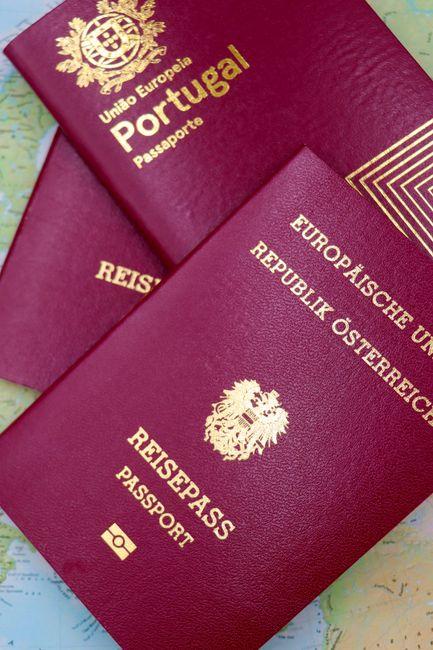
The Illusion of Mobility Beyond Physical Stamps
In an era enamored with the idea that physical passports are the ultimate symbols of freedom and mobility, the reality is far more complex and less flattering. The illusion that a powerful passport equates to unhindered global movement overlooks how porous and contradictory digital borders have become. Amidst heightened surveillance, AI-driven visa screenings, and real-time data exchanges between nations, freedom of movement is increasingly dictated not by paper stamps but by algorithmic gatekeepers often inscrutable to travelers themselves. The passport’s tactile significance fades as digital identifications and behavioral data profiles silently govern who crosses which border – reminding us that mobility is less a matter of nationality and more a function of compliance within digital governance frameworks.
However, dismissing the passport entirely oversimplifies the interplay between traditional and digital sovereignty. There remains strategic value in maintaining a recognized physical document, especially in scenarios where digital infrastructure is limited or compromised. The trade-offs here highlight a key tension: the permanence and legal familiarity of passports versus the agility and surveillance risks embedded in digital alternatives. Policymakers seeking to navigate this terrain might consider a hybrid approach that balances the following:
- Physical passports as foundational proof of identity and citizenship, especially for emergency or low-tech border crossings.
- Consent-based digital identity systems that enhance user agency, transparency, and control over personal data.
- International standards and interoperability that prevent fragmented enforcement and minimize exclusionary effects of hyper-local digital border policies.
| Dimension | Physical Passports | Digital Borders |
|---|---|---|
| Visibility | High – tangible, widely understood | Opaque – algorithmic, often opaque decision-making |
| Vulnerability | Physically lost/stolen | Data breaches, surveillance abuse |
| Flexibility | Rigid – tied to nationality and bureaucracy | Potentially adaptive but controlled by private/state actors |
Ultimately, the passport remains a fading icon not because it is obsolete, but because it has been overshadowed by systems that rethink but do not necessarily expand genuine freedom of movement. Recognizing this nuanced reality guards against romanticizing or rejecting passports outright, urging a critical but pragmatic reassessment of what true mobility means in a digital age.
When Paper Passports Clash with the Rise of Digital Sovereignty
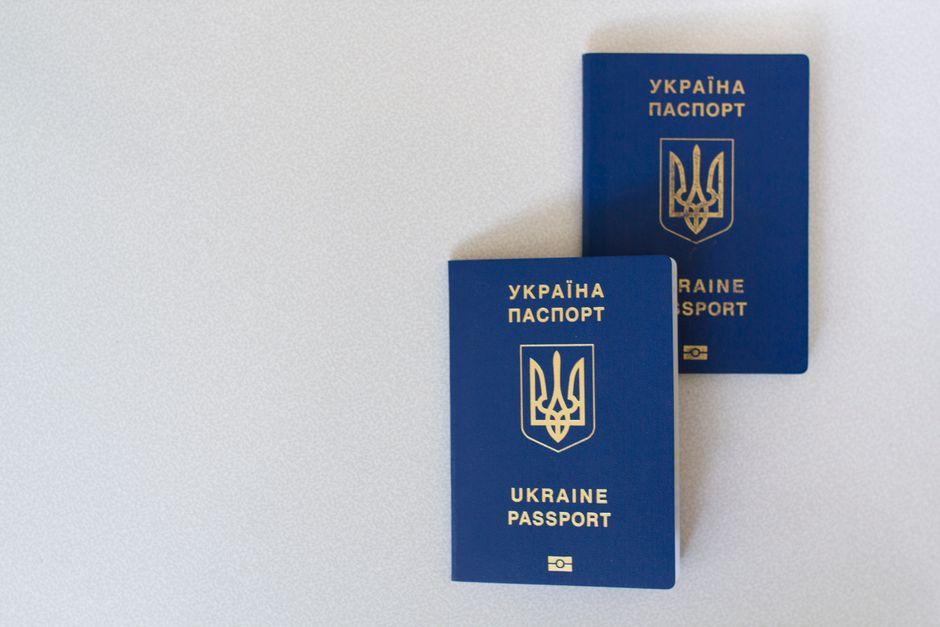
Paper passports, long heralded as tangible emblems of sovereignty and personal identity, now find themselves at an inflection point where their effectiveness and symbolism are questioned by the rise of digital sovereignty. Far from mere nostalgia, the tactile document represents a centuries-old contract between citizen and state, offering a physical artifact of legitimacy. However, relying solely on paper in an increasingly interconnected, data-driven world ignores critical vulnerabilities: forgery, bureaucratic inertia, and accessibility limitations. More importantly, digital sovereignty-where countries assert control over their citizens’ data, digital identities, and cross-border flows-challenges the passport’s monopoly over border regulation. The clash is not just technological but philosophical: paper passports embody territorial jurisdiction and territoriality, whereas digital sovereignty reshapes power dynamics through networked infrastructure, data governance, and cryptographic identity. The trade-off between tangible trust and digital control demands nuanced policy, where governments neither over-promise universal accessibility through physical books nor blindly leap into opaque digital identity regimes susceptible to surveillance and exclusion.
Innovators and policymakers must recognize that digital sovereignty is not synonymous with borderless identity. Instead, it represents a recalibration of authority, privileging algorithmic verification and sovereign data jurisdictions over traditional visual checks and ink stamps. Preserving individual freedom in this environment requires a hybrid approach: digital passports must be interoperable yet privacy-centric, and physical passports should remain as fallback and symbolic artifacts. Consider this juxtaposition:
| Aspect | Paper Passports | Digital Sovereignty Models |
|---|---|---|
| Tangibility | Physical proof; globally recognizable; limited fraud detection | Virtual identity tokens; enhanced anti-fraud; dependent on infrastructure |
| Control | State-issued, locally managed; easy to revoke or suspend | Nation-controlled data ecosystems; risk of overreach and digital exclusion |
| User Autonomy | Citizen controls document; vulnerable if stolen/lost | Citizen may have self-sovereign identity options, but mostly state-mediated |
- Policymakers must balance the symbolic and practical roles of paper against the transformative potential and risks of digital sovereignty frameworks.
- Citizens require transparent communications and opt-in mechanisms to avoid coercive digital identities masquerading as freedom.
- International actors need multilateral agreements that respect both tangible borders and data sovereignty, ensuring digital innovation does not erode fundamental human mobility rights.
Redefining Freedom Through Virtual Identity Gateways
In an era where physical borders are increasingly supplanted by digital checkpoints, the notion of freedom traditionally symbolized by a global passport must be reinterpreted through the lens of Virtual Identity Gateways. These platforms-ranging from blockchain-based sovereign IDs to biometric authentication ecosystems-do more than just verify identity; they redefine control over personal data as a primary currency of freedom. Unlike passports, often cumbersome relics tethered to nationality and state sovereignty, virtual identities offer fluidity and multiplicity in access, allowing individuals to selectively disclose attributes relevant to specific contexts without sacrificing privacy. This marks a subtle but critical shift from a one-size-fits-all proof of citizenship to a modular identity model that respects the increasingly fragmented nature of our global interactions.
However, embracing virtual identity gateways is not a panacea and brings significant trade-offs that demand rigorous scrutiny. The promise of sovereignty over personal data is often entangled with risks of exclusion and centralization when proprietary technologies monopolize identity validation, ironically mirroring the gatekeeping role once occupied by nation-states. To navigate this paradox, institutions must champion open standards and interoperability while fostering user-centric designs that eliminate biases embedded in algorithms. In practice, this means:
- Prioritizing transparency: Clear protocols on data usage and revocation must be non-negotiable.
- Ensuring inclusivity: Digital identities should accommodate marginalized populations without requiring high-end devices or stable internet connections.
- Balancing privacy and security: Embracing advanced encryption and decentralized validation to thwart surveillance without enabling anonymity that undermines trust.
| Dimension | Traditional Passport | Virtual Identity Gateway |
|---|---|---|
| Control over Data | State-centric, limited agency | User-centric, selective disclosure |
| Accessibility | Universal but rigid | Potentially scalable but digital divide risk |
| Privacy Risks | Relatively low in normal use | High if centralized or unregulated |
Ultimately, redefining freedom in this digital epoch hinges less on dismantling passports outright and more on amplifying identity infrastructures that empower individuals with flexibility, transparency, and security. Virtual Identity Gateways are not simply successors but evolutionary responses that challenge us to rethink who-and what-truly defines freedom at the frontier of digital borders.
Why Global Travel Is Evolving Beyond Traditional Borders
Global travel is evolving less as a seamless expansion of freedom and more as a reconfiguration shaped by digital sovereignty and geopolitical strategy. The traditional notion that passports symbolize unmitigated access to the world has become increasingly tenuous. Instead, what travelers encounter today is a patchwork of digital checkpoints, biometric verifications, and algorithmic assessments that prioritize control and surveillance over openness. These developments do not neatly replace the old border system but overlay it with layers of data-driven restrictions, fragmenting rather than dissolving boundaries. This trend reshapes the role of passports from straightforward travel documents into complex keys intertwined with national security agendas, digital identity management, and even corporate partnerships that determine who can move and how.
Recognizing these shifts requires us to move beyond simplistic assumptions that expanding connectivity equals enhanced mobility or freedom. For instance, while digital borders enhance efficiency and security, they also embed travelers deeper into systems where access is contingent on digital profiles, which can be prone to biases and errors. The trade-offs here are critical: enhanced convenience and biometric security may come at the cost of personal privacy and equitable treatment. Travelers and policymakers alike must therefore adopt a nuanced approach that balances innovation with transparency and ethical governance. Prioritizing open protocols, international cooperation on data rights, and interoperable digital identities could reclaim some of the fluidity that traditional passports once symbolized, but only if carefully designed to resist exacerbating existing inequalities.
| Aspect | Traditional Passport | Digital Border |
|---|---|---|
| Nature | Physical document and nationality symbol | Virtual identity and data profile |
| Control Mechanism | State-issued access permission | Algorithmic and biometric gatekeeping |
| Vulnerability | Falsification and theft | Data breaches and systemic bias |
| Flexibility | Static, limited by physical validity | Dynamic, but subject to opaque policies |
Balancing Privacy and Control in the Era of Electronic Borders
The rise of electronic borders demands a recalibration of how we conceive privacy and control in international travel. Traditional passports symbolized a tangible assertion of identity, sovereignty, and freedom of movement. However, as biometric data and AI-powered surveillance systems increasingly mediate cross-border mobility, the locus of control shifts away from the individual toward state and corporate gatekeepers. This shift introduces profound trade-offs: enhanced security and streamlined processing come at the cost of mass data collection, weaponizing personal information as leverage. The simplistic dichotomy of privacy versus security falters here; the real challenge lies in crafting architectures where data minimization, informed consent, and equitable access coexist with effective border management. Without this balance, digital borders risk evolving into opaque exclusion mechanisms rather than enablers of global mobility.
To realistically navigate these tensions, policymakers must resist the temptation to frame privacy simply as a barrier to control or vice versa. Instead, they should adopt a layered approach grounded in transparency and user agency. For instance, a tiered access model could allow travelers to selectively disclose information based on risk profiles or purpose of travel, reducing unnecessary data exposure. Furthermore, guarding against technological determinism means recognizing the socioeconomic and geopolitical contexts that shape who benefits or suffers from digital borders. Below is a strategic framework illustrating this balance:
| Aspect | Privacy-Oriented Approach | Control-Oriented Approach | Nuanced Middle Ground |
|---|---|---|---|
| Data Collection | Minimal, purpose-specific data only | Comprehensive, continuous data streams | Adaptive data collection-scaled by situational risk |
| User Consent | Explicit and revocable consent | Implicit, often mandated | Layered consent options with default privacy protections |
| Transparency | Full disclosure of data use and retention | Generally opaque for security reasons | Conditional transparency calibrated to safeguard security without obscuring user rights |
Ultimately, the future of digital borders will hinge on embedding ethical design principles and legal safeguards that prioritize human dignity as much as state security. Without thoughtful balancing, electronic borders will become less gates of freedom and more apparatuses for control under the guise of protection.
Closing Remarks
As the world strides deeper into the realm of digital surveillance and border technologies, the passport-once a cherished emblem of individual freedom and global exploration-gradually loses its primal charm. No longer just a simple booklet of stamps and visas, it has become a relic overshadowed by invisible gatekeepers of data and algorithms that dictate movement with greater precision and less human touch. In this shifting landscape, the passport’s fading glow serves as a poignant reminder: freedom of movement is no longer solely about crossing physical frontiers, but navigating the intricate, often unseen digital borders that redefine what it truly means to be free.




