
In an increasingly interconnected world, the concept of identity transcends borders, giving rise to the fascinating phenomenon of dual nationality citizenship. Imagine holding the keys to two nations – the privileges, the complexities, and the unique sense of belonging that come with it. Dual nationality offers more than just a legal status; it unlocks a world of opportunities while presenting its own set of challenges. This article unravels the intricate tapestry of dual citizenship, exploring its key benefits, the hurdles it may pose, and the essential pathways to qualify. Whether you’re considering applying or simply curious about this modern identity, read on to gain a comprehensive understanding of what it truly means to belong to two homelands.
Understanding Dual Nationality and What It Means for You
Dual nationality occurs when an individual legally holds citizenship in two different countries simultaneously. This status means you are recognized as a citizen by both nations, with corresponding rights and responsibilities such as voting, paying taxes, and accessing social services in each country. Many people seek dual nationality to expand their global mobility, access better career or educational opportunities, or maintain strong familial and cultural ties across borders. However, dual citizens must also navigate complexities like potential conflicts in legal obligations, varied military service requirements, and differing passport regulations. Understanding the legal framework and specific bilateral agreements between countries is crucial, as some nations permit dual citizenship freely while others restrict or even prohibit it.
When weighing whether pursuing dual nationality is right for you, consider several practical factors beyond the obvious benefits. These include:
- Legal rights and limitations: Some countries may limit voting rights or government employment for dual citizens, impacting your civic participation.
- Tax responsibilities: You might owe taxes in both countries depending on your residency and income sources, requiring careful financial planning.
- Travel flexibility: Holding two passports often simplifies international travel, bypassing visa requirements and reducing entry delays.
- Inheritance and property laws: Dual nationality can affect how your assets are taxed or transferred between countries.
| Aspect | Single Nationality | Dual Nationality |
|---|---|---|
| International Travel | May require multiple visas | Enhanced visa-free access with two passports |
| Taxation | Taxed only by country of residence | Potential tax obligations in both countries |
| Legal Recognition | One set of laws and rights | Subject to laws of both countries; possible conflicting obligations |
Before applying, it’s advisable to consult with immigration specialists and thoroughly evaluate the legal and financial implications. This ensures you can benefit fully from dual nationality while avoiding common pitfalls that might compromise your rights or complicate your international status.
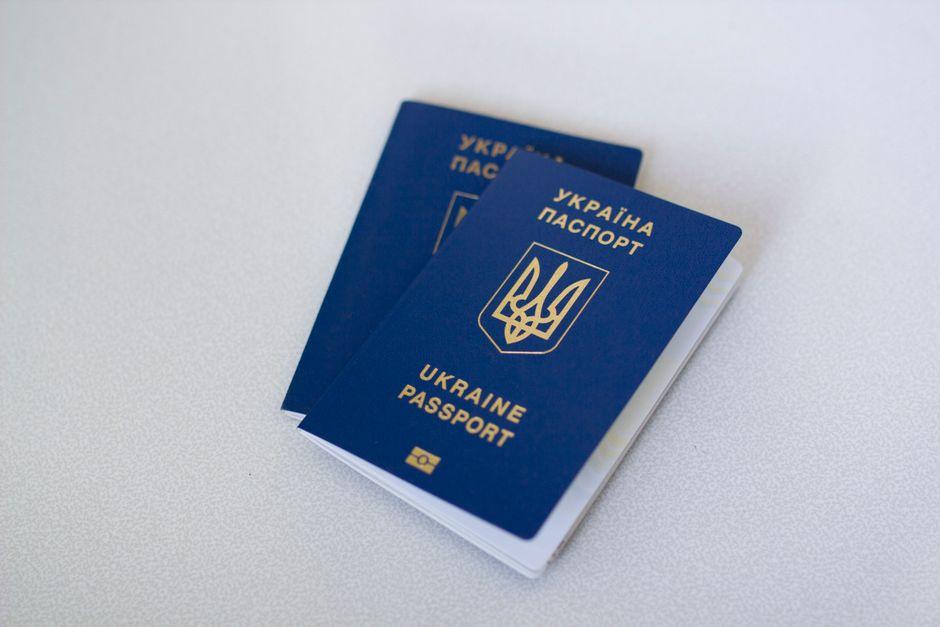
Navigating the Advantages and Hurdles of Holding Two Passports
Holding two passports, otherwise known as dual nationality, offers distinct advantages that can significantly enhance personal freedom and global mobility. Dual citizens typically enjoy the right to live, work, and study in both countries without the need for visas or permits, opening doors to broader career and educational opportunities. Financial benefits also come into play, such as access to local banking systems, investment opportunities, and favorable taxation in either country, depending on tax treaties and domestic laws. Additionally, dual nationality often allows individuals to receive government services and social benefits from both nations, along with the ability to participate politically through voting or candidacy, where permitted. These practical perks provide a robust platform for a more flexible, enriched lifestyle across borders.
However, the benefits come with certain hurdles that require careful consideration. Dual nationality can involve complex legal obligations, including potential double taxation, compulsory military service, or conflicting laws on citizenship rights like inheritance or child custody. Travel may also be complicated by the requirement to use specific passports for entry or exit from certain countries, leading to increased scrutiny or denied entry in some situations. Moreover, not all countries recognize dual citizenship, which could result in forced renunciation of one nationality or the loss of benefits. To navigate these issues effectively, it’s recommended to:
- Consult with legal experts familiar with both countries’ citizenship and tax laws.
- Stay informed about visa and travel requirements linked to each passport.
- Keep thorough records of obligations such as taxes, military duties, or declarations.
- Evaluate personal and professional goals to ensure dual citizenship aligns with long-term plans.
| Aspect | Potential Benefit | Common Challenge |
|---|---|---|
| Travel Flexibility | Easier entry and exit in multiple regions | Passport use restrictions and scrutiny |
| Legal Rights | Access to social services and political participation | Conflicting laws and obligations |
| Financial Opportunities | Tax optimization and local investment access | Risk of double taxation and compliance complexity |
Common Misunderstandings About Dual Citizenship Uncovered
Dual citizenship is often misunderstood, leading to confusion about its legal and practical implications. Many assume it automatically means dual loyalty or legal conflicts, but in reality, most countries allow dual nationality without requiring exclusive allegiance. Another common misconception is that dual citizenship always results in double taxation; however, many countries have tax treaties or exemptions that prevent individuals from being taxed twice on the same income. People also worry that holding two passports complicates travel, when in fact, it often simplifies visa requirements and border crossings, offering greater global mobility. Additionally, some believe dual citizenship restricts access to government benefits or military service obligations in one country, but these vary widely and depend largely on each nation’s laws rather than the status of dual nationality itself.
To clarify further, here’s a quick overview of common misunderstandings versus reality:
| Misunderstanding | Reality |
|---|---|
| Dual citizenship means having to choose one nationality officially. | Most countries fully recognize dual nationality without requiring renouncement of the other citizenship. |
| Dual citizens must pay taxes twice on all income. | Tax treaties often prevent double taxation; professional advice is recommended. |
| Dual nationality forces military service in both countries. | Military obligations depend on specific country laws; some countries exempt dual nationals. |
| Dual citizenship can cause legal conflicts in court or employment. | Legal systems accommodate dual citizenship, but awareness of local laws is crucial to avoid issues. |
- Recommendation: Always research both countries’ specific regulations regarding dual nationality.
- Tip: Consult with immigration or tax professionals to understand implications fully.
Choosing Between Nationalities How to Decide What Suits Your Life
Deciding which nationalities to pursue when considering dual citizenship depends largely on your personal circumstances, goals, and long-term plans. Begin by evaluating the practical benefits each nationality offers, such as visa-free travel access, tax obligations, social security privileges, and employment opportunities. For example, holding citizenship in a country with a strong passport can significantly increase your global mobility, while dual nationality in economically stable countries may provide better healthcare and education options. On the other hand, it’s crucial to understand legal complexities such as mandatory military service, dual tax treaties, and potential restrictions on public office or property ownership that vary widely between countries.
To clarify your choice, compare your options across key factors:
| Factor | Country A | Country B |
|---|---|---|
| Visa-Free Travel | 180+ countries | 130+ countries |
| Taxation Policies | Worldwide income taxed | Territorial tax system |
| Dual Citizenship Allowed | Yes | No |
| Military Service | Mandatory for males | None |
- Assess your lifestyle and financial goals: Will you live abroad frequently, seek business expansion, or retire in one country?
- Check long-term legal implications: Some countries have stringent rules about holding dual citizenship, which could affect citizenship retention or renewal.
- Consider cultural and familial connections: Citizenship tied to heritage might simplify paperwork and deepen personal identity ties.
Ultimately, weighing these nuanced benefits and challenges against your specific situation helps ensure your choice aligns with both your current needs and future aspirations.
Tips for Successfully Applying and Maintaining Dual Citizenship Rights
Successfully applying for dual citizenship requires careful preparation and understanding of both countries’ legal frameworks. Start by thoroughly researching eligibility criteria, required documents, and application timelines for each nation involved. Common pathways include descent (jus sanguinis), naturalization, marriage, or investment programs-each with unique conditions such as residency requirements or language proficiency tests. To avoid delays, ensure all certificates (birth, marriage, criminal records) are officially translated and apostilled if necessary. Consulting with an immigration lawyer or dual citizenship specialist can clarify complex cases, especially when one country doesn’t formally recognize dual nationality or requires renouncing prior citizenship. Additionally, be mindful of any tax obligations or military service commitments tied to dual citizenship status.
Maintaining dual citizenship rights involves more than keeping valid passports; it entails ongoing compliance with both countries’ laws. Key practices to safeguard your dual nationality include:
- Regularly renewing passports and national ID cards before expiration to prevent travel disruptions.
- Staying updated on changes in citizenship laws, as legal revisions may affect your rights or status.
- Filing taxes properly in each country, understanding bilateral tax treaties to avoid double taxation.
- Respecting civic duties such as voting or military service, if mandated, as neglect may jeopardize citizenship validity.
- Keeping personal records current, including updating addresses and notifying authorities of status changes.
Many applicants find it useful to maintain a dedicated file tracking deadlines, sovereign rules, and legal communications. The table below illustrates a quick comparison of routine dual citizenship maintenance tasks for two countries with distinct legal frameworks:
| Task | Country A Requirements | Country B Requirements |
|---|---|---|
| Passport Renewal | Every 10 years at consulate | Every 5 years, requires in-person fingerprinting |
| Tax Filing | Annual global income reporting | Tax only on local income, but requires declaration |
| Military Service | Optional volunteer-based | Mandatory for males aged 18-25 |
Insights and Conclusions
In a world growing ever more connected, dual nationality offers a unique bridge between cultures, opportunities, and identities. While the path to holding two citizenships may come with its share of complexities, the benefits-ranging from expanded rights to enhanced global mobility-can be profoundly rewarding. Understanding the nuances, preparing for potential challenges, and knowing the qualification routes can empower you to make informed decisions about embracing a dual identity. Ultimately, dual nationality is more than a legal status; it’s a gateway to a richer, more diverse experience of the world.




