
In an increasingly interconnected world, the idea of holding more than one citizenship is no longer just a privilege of the elite-it’s a strategic opportunity for individuals seeking greater freedom, security, and global mobility. Citizenship by investment (CBI) programs have emerged as powerful gateways to these benefits, offering a legal pathway to obtain a new nationality through financial contributions. But how exactly does this process work? What requirements must applicants meet, and which programs stand out among the rest? This article unpacks the mechanics of citizenship by investment, exploring its advantages, eligibility criteria, and the leading programs worldwide, providing a clear roadmap for those intrigued by this unique form of international integration.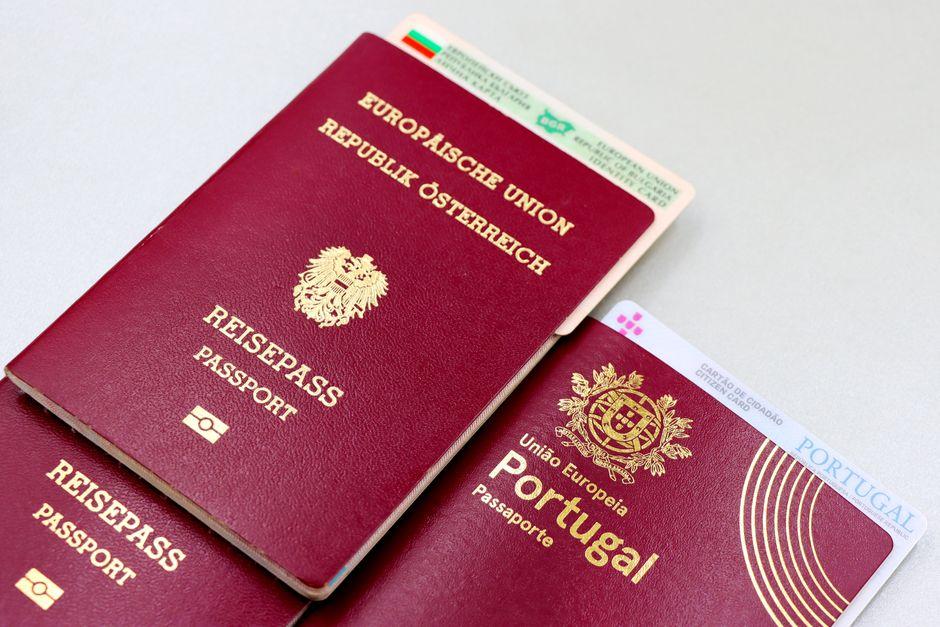
Understanding Citizenship by Investment and Its Key Advantages
Citizenship by Investment (CBI) is a legal process where individuals can obtain citizenship in a country by making a qualifying financial contribution, typically through real estate, business investments, or government donations. This pathway offers a streamlined alternative to traditional naturalization, which can be time-consuming and complex. Beyond the monetary input, applicants may also need to meet specific due diligence checks, background verifications, and residency requirements, varying by country. The process is designed to attract foreign capital and skilled individuals while providing the investor with legitimate citizen status, including a passport and associated rights.
The key advantages of citizenship by investment programs are wide-ranging and often influence prospective applicants’ decisions:
- Global Mobility: Many CBI programs provide access to powerful passports that allow visa-free or visa-on-arrival travel to numerous countries worldwide, facilitating business and leisure travel.
- Financial and Tax Benefits: Some countries offer favorable tax regimes for new citizens, including no global income tax, inheritance tax exemptions, or reduced corporate taxes.
- Economic Security and Diversification: Citizenship in a politically stable and economically strong country ensures personal and family security as well as asset diversification.
- Improved Quality of Life: Access to better healthcare, education, and social services can significantly enhance living standards for investors and their families.
- Ease of Application: Compared to traditional naturalization, CBI programs often require minimal residency and offer faster processing times.
| Common CBI Investment Types | Typical Requirements | Expected Citizenship Timeline |
|---|---|---|
| Government Donation | No residency, clean background check | 3-6 months |
| Real Estate Acquisition | Investment minimum, property hold period | 6-12 months |
| Business or Bond Investment | Capital lock-in period, due diligence | 6-9 months |

What You Need to Qualify for a Citizenship by Investment Program
To qualify for a Citizenship by Investment (CBI) program, applicants typically need to meet a set of clear financial and legal criteria designed to ensure both eligibility and integrity. While requirements vary by country, most programs mandate a substantial financial contribution-either through a direct investment in real estate, government bonds, a national development fund, or business ventures. In addition to the capital investment, applicants must provide valid identification documents, proof of clean criminal records, and, in some cases, demonstrate a minimum net worth or income level. Many countries also require basic health checks and background vetting to prevent fraud and ensure applicants pose no threats to national security. Understanding these prerequisites upfront helps investors plan accordingly and increases the chances of a smooth application process.
Beyond financial investment and background checks, several CBI programs impose additional conditions such as minimal residency requirements or simple interviews to confirm the applicant’s commitment. Some countries also accept dependents such as spouses and children under the same application, while others set age limits or restrict eligibility based on nationality. A useful comparison of common qualification elements is outlined below:
| Qualification Aspect | Typical Requirements | Notes |
|---|---|---|
| Investment Amount | From $100,000 to $2,000,000+ | Varies significantly by program and type of investment |
| Background Checks | Clean criminal record; financial transparency | Mandatory in all reputable programs |
| Residency Requirements | Usually none or minimal (days to months) | Important for tax and legal purposes in some jurisdictions |
| Documentation | Passport, birth certificates, health reports | Standardized but can differ in detail |
Common Challenges and Misconceptions About Gaining Citizenship Through Investment
Common challenges faced by applicants seeking citizenship through investment often stem from misunderstandings about eligibility requirements and the timeline involved. Many assume that a significant financial contribution guarantees immediate citizenship, but most programs impose strict due diligence checks and residency requirements that can extend processing times from several months to over a year. Another frequent challenge is navigating complex application procedures that vary widely between countries, including necessary documentation, language proficiency, and local legal obligations. Additionally, applicants should beware of unexpected costs such as government fees, legal assistance, and mandatory background investigations, which can inflate the total investment beyond the initial capital outlay.
Misconceptions about the benefits of citizenship by investment also persist. Some believe it provides unrestricted global mobility or automatic access to social services, but access often depends on the passport’s diplomatic strength and local regulations. It’s important to recognize that citizenship gained through investment is typically equivalent in rights and responsibilities to those obtained by birth or naturalization; however, not all countries extend immediate voting rights or diplomatic protection. To help clarify, here is a quick comparison of common misunderstandings versus reality:
| Misconception | Reality |
|---|---|
| Instant citizenship after investment payment | Processing and background checks typically take 6-12 months or more |
| Unlimited visa-free travel globally | Depends on the passport’s ranking; some offer limited access |
| No residency or physical presence requirement | Some programs demand minimum stay periods or visits within specified timelines |
| Full access to government benefits immediately | Access depends on local laws and may come with waiting periods |
- Recommendation: Thoroughly research each program’s specific rules and consult with qualified legal experts to avoid pitfalls.
- Tip: Verify all fees upfront and prepare for rigorous compliance to speed up your application process.
Exploring the Most Popular Programs Around the World
offers valuable insight into how citizenship by investment (CBI) is tailored to diverse investor needs and governmental goals. Leading programs typically balance investment thresholds, processing times, and residency requirements, making them attractive to high-net-worth individuals seeking strategic mobility, financial security, or business opportunities. For example, the Caribbean nations-like St. Kitts and Nevis, Antigua and Barbuda, and Dominica-are renowned for their relatively low investment minimums (often under $250,000) combined with fast processing times and visa-free travel to over 150 countries. European programs, such as those in Portugal, Malta, and Cyprus, demand higher investments but offer added benefits, including access to the European Union market and superior quality of life. A common question revolves around the types of qualifying investments, which generally include real estate, government bonds, or contributions to national development funds. Understanding these variations helps applicants pick a program aligned with both financial capacity and lifestyle goals.
Below is a concise comparison of top CBI programs highlighting key parameters investors typically evaluate:
| Country | Minimum Investment | Processing Time | Visa-Free Travel | Residency Requirement |
|---|---|---|---|---|
| St. Kitts and Nevis | From $150,000 donation | 3-6 months | Over 150 countries | None |
| Malta | €600,000+ (varied) | 12-14 months | EU Schengen Area | 1 year |
| Portugal | €280,000+ (real estate) | 6-8 months | EU Schengen Area | Minimal (residence permit) |
When selecting a citizenship by investment program, investors should weigh the cost-benefit ratio, legal framework stability, and family inclusion options. Programs offering reduced residency burdens and broad travel freedom stand out, but geopolitical stability and transparency can impact long-term value. Professional advice is often recommended to navigate due diligence and avoid common pitfalls such as unexpected tax liabilities or regulatory changes. Ultimately, the most popular programs succeed because they offer a reliable path to a second passport that fits an investor’s broader personal and financial strategy.
How to Choose the Right Citizenship by Investment Option for Your Goals
Choosing the right citizenship by investment option begins with identifying your primary goals. Are you looking to gain visa-free travel, secure a stable business environment, access quality education and healthcare, or optimize tax advantages? Each program offers unique benefits and requirements that cater to diverse priorities. For instance, some investors prioritize quick processing times and minimal residency obligations, while others focus on robust citizenship rights and dual nationality acceptance. Evaluating these factors upfront ensures the program you pick aligns with your lifestyle, financial capacity, and long-term plans. Additionally, assessing the political and economic stability of the country offering citizenship can safeguard your investment and personal security over time.
When comparing citizenship by investment programs, consider the following essential criteria:
- Investment amount and type: Real estate, government bonds, or direct donations differ significantly in cost and liquidity.
- Processing time: Some countries offer citizenship within a few months, while others may take several years.
- Residency requirements: Understand if physical presence is mandatory during or after application approval.
- Visa-free travel benefits: Check which countries you can access visa-free with the new passport.
- Tax implications: Evaluate how acquiring a second citizenship affects your global tax responsibilities.
Here’s a quick comparison table to illustrate key differences:
| Program | Minimum Investment | Processing Time | Residency Required | Visa-Free Countries |
|---|---|---|---|---|
| Malta | €750,000 donation + property | 12-14 months | 12 months | 185+ |
| St. Kitts & Nevis | $150,000 donation | 3-6 months | None | 150+ |
| Cyprus (Suspended) | €2 million real estate | 6 months | None | 170+ |
Consulting with legal and financial experts experienced in citizenship by investment programs is highly recommended to navigate regulatory nuances and ensure compliance. This tailored approach eliminates common pitfalls and maximizes the return on your investment relative to your personal and professional aspirations.
In Summary
In the complex tapestry of global opportunities, citizenship by investment emerges as a unique thread-offering a blend of financial strategy, personal freedom, and global mobility. Whether driven by the allure of new adventures, the promise of tax benefits, or the safety net of a second passport, understanding how these programs work is key to navigating the possibilities they present. As with any significant decision, weighing the benefits against the requirements-and choosing a program that aligns with your values and goals-ensures that this journey is not just about acquiring a document, but unlocking a world of potential. In the ever-evolving landscape of citizenship options, knowledge remains your most valuable asset.




