
In an increasingly interconnected world, the concept of identity is evolving beyond traditional boundaries. Dual citizenship, once a rare and often complicated legal status, has become a gateway to new opportunities—and a source of intricate challenges. Navigating the privileges and responsibilities of belonging to two nations simultaneously, individuals must balance cultural ties, legal obligations, and personal aspirations. This article explores the complex world of dual citizenship, shedding light on its multifaceted nature and the delicate equilibrium it demands in today’s global society.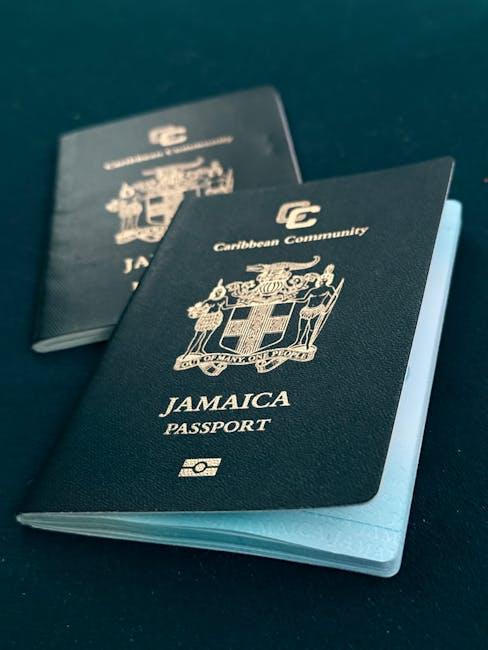
Understanding Dual Citizenship Through Legal and Cultural Lenses
Navigating the realm of dual citizenship means stepping into a dynamic interplay between legal frameworks and deeply rooted cultural identities. Countries differ vastly in their policies—some embrace dual citizenship with open arms, while others impose stringent restrictions or outright prohibitions. Understanding these legal nuances is crucial, as dual citizens often find themselves balancing rights and responsibilities across multiple legal systems. For instance, obligations such as taxation, military service, or voting rights may vary, creating a complex mosaic of duties that demand careful attention.
Beyond the legalities, dual citizenship unfolds as a cultural phenomenon that reflects the evolving nature of identity in a globalized world. Many dual citizens cherish the opportunity to preserve ancestral traditions, languages, and community ties, while simultaneously adopting elements of their new homeland. This cultural duality fosters a unique perspective but can also present challenges, such as negotiating societal expectations or reconciling conflicting cultural norms. The experience often manifests in:
- Straddling two, sometimes contrasting, cultural narratives
- Enriching personal identity through multicultural fluency
- Facing societal perceptions and questions of belonging
| Aspect | Legal View | Cultural Impact |
|---|---|---|
| Rights | Voting, Taxation, Military Duty | Access to Education, Healthcare, Community Services |
| Identity | Recognized Nationality | Language, Traditions, Religion |
| Challenges | Bureaucracy, Legal Conflicts | Social Acceptance, Cultural Expectations |
Navigating Rights and Responsibilities Across Nations
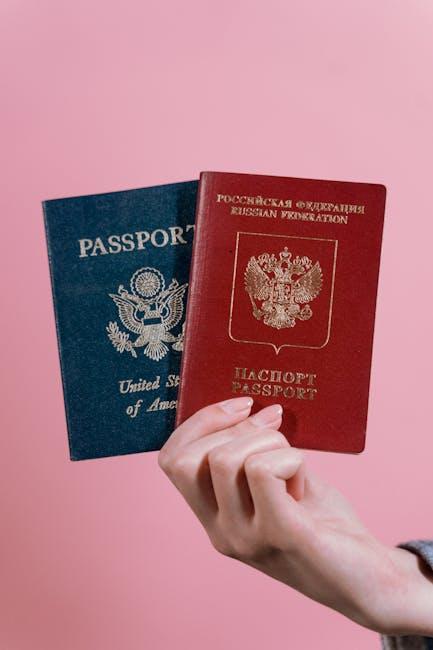
Holding citizenship in two countries often means walking a fine line between a unique set of rights and obligations. Dual citizens enjoy the privilege of voting in multiple democracies, accessing diverse education systems, and working across borders with greater flexibility. However, this comes paired with complex responsibilities such as tax filing in more than one jurisdiction, mandatory military service in certain nations, and a vigilant awareness of legal expectations that may sometimes conflict. The entangled nature of these duties underscores the importance of understanding each country’s legal framework to avoid inadvertent violations.
To illustrate, consider the common rights and responsibilities that dual citizens navigate:
- Legal Compliance: Adherence to laws of both countries, including staying updated on changes.
- Tax Obligations: Filing accurately and on time to avoid penalties or double taxation.
- Civic Duties: Voting, jury service, and sometimes compulsory military enrollment.
- Travel Regulations: Using appropriate passports and visas according to destination rules.
| Right | Country A | Country B |
|---|---|---|
| Voting | Allowed in national elections | Allowed in local and national elections |
| Military Service | Exempt if over age 30 | Mandatory if under age 25 |
| Tax Filing | Annual declaration required | Quarterly declaration required |
The Economic and Social Impact of Holding Multiple Passports
Holding multiple passports opens doors to a range of economic opportunities that single nationality status often restricts. Dual citizens can tap into job markets across different countries without the cumbersome visa processes, thus enhancing their employability and earning potential. Furthermore, the ability to invest, own property, and access banking services in more than one country creates a unique financial edge. This flexibility often results in a diversified economic portfolio, mitigating risks related to currency fluctuations or regional economic downturns. However, the economic advantages come with the responsibility of understanding complex tax obligations, which vary significantly from one jurisdiction to another.
On the social front, the possession of multiple citizenships fosters a deep cultural interconnectedness, enriching personal identity and broadening social networks. It encourages cross-cultural dialogue and increases a sense of global citizenship, which can be a powerful tool in an increasingly interconnected world. However, this duality may also create social tensions or feelings of divided loyalty, especially in regions with strong nationalist sentiments. Below is a concise overview of key social and economic impacts:
| Impact | Positive Aspects | Challenges |
|---|---|---|
| Economic |
|
|
| Social |
|
|
Challenges and Opportunities in International Travel and Work
Navigating the labyrinth of international travel and work with dual citizenship is a delicate dance between freedom and regulation. While dual citizenship opens doors to multiple markets and cultural spheres, it often comes with the burden of complex visa requirements, tax obligations, and legal responsibilities that can trip even the savviest globetrotters. For instance, holding passports from two countries might mean dealing with mandatory military service, restrictions on property ownership, or complicated social security entitlements that don’t always synchronize smoothly. Striking a balance between these diverse legal landscapes requires meticulous planning and proactive adaptation to shifting policies.
Yet, within these challenges lie unique opportunities for those able to leverage their multifaceted identities. Dual citizens can access better employment prospects, healthcare, and education options across borders, often gaining a competitive edge in globalized industries. The freedom to reside and work in multiple countries enhances both personal and professional growth. Below is a snapshot of potential hurdles and benefits associated with dual citizenship in the international context:
- Challenges: tax complexities, legal conflicts, travel restrictions
- Opportunities: expanded job markets, cultural flexibility, diversified investments
| Aspect | Challenge | Opportunity |
|---|---|---|
| Employment | Work permit limitations | Access to wider job market |
| Legal | Conflicting laws and obligations | Rights in multiple legal systems |
| Financial | Double taxation risk | Investment diversification |
Practical Tips for Managing Dual Citizenship Effectively
Successfully navigating dual citizenship requires more than just understanding legal entitlements—it demands a strategic approach to maximize benefits while minimizing complications. Begin by organizing crucial documents such as passports, birth certificates, and residency permits in a secure, yet easily accessible location. Stay informed about tax obligations in both countries to avoid unexpected liabilities. Setting reminders for renewal dates of passports and visas can prevent lapses that disrupt travel or residency. Equally important is establishing a reliable communication channel with consulate offices; they can be invaluable resources in emergencies or when clarification on legal nuances is needed.
Embrace technology to streamline your dual citizenship lifestyle. Apps designed for financial management can help you monitor currency exchange and international transfers efficiently. Cultivate relationships within both cultural communities to enrich your experience and support networks abroad. Below is a quick reference checklist to keep your dual citizenship journey smooth and organized:
- Document Management: Originals & digital copies
- Tax Compliance: Consult dual tax treaties
- Legal Updates: Monitor policy changes in both countries
- Consular Contacts: Save emergency numbers
- Financial Tools: Use apps for currency and budgeting
- Cultural Engagement: Participate in local events
To Wrap It Up
As the world grows ever more interconnected, the notion of belonging stretches beyond a single line on a map, weaving identities and loyalties into intricate tapestries. Navigating the labyrinth of dual citizenship is not merely a legal challenge, but a delicate dance of culture, opportunity, and responsibility. Whether embraced as a bridge or viewed as a boundary, dual citizenship invites us to reconsider the very meaning of home in an age where borders blur and identities multiply. In balancing these overlapping worlds, individuals and nations alike continue to shape a global narrative that is as complex as it is compelling.




