
In a world increasingly connected by borders both seen and unseen, the concept of identity stretches beyond singular definitions. Dual citizenship offers a unique lens through which individuals navigate the intricate interplay of heritage, culture, and belonging. Straddling two nations, dual citizens often find themselves balancing contrasting traditions, legal frameworks, and emotional landscapes. This article explores the nuanced journey of living between two worlds, revealing how dual citizenship shapes the search for identity and creates a dynamic sense of belonging that transcends conventional boundaries.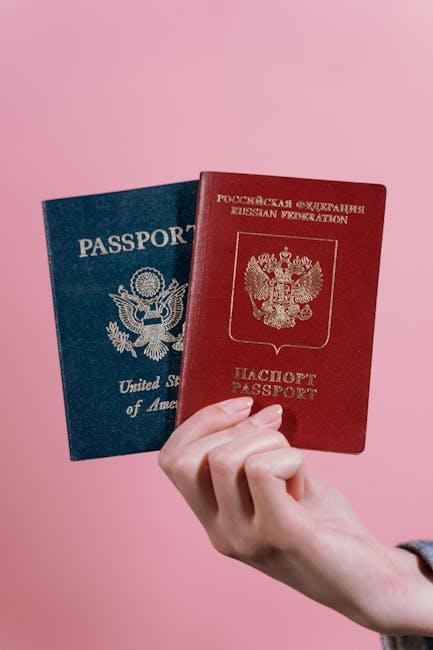
Roots in Two Places Navigating the Everyday Realities of Dual Citizenship
Maria, born in Spain but raised in Canada, often finds herself straddling two worlds-each shaping her sense of identity in distinct ways. When applying for jobs in Toronto, her Spanish citizenship sometimes feels like a curious footnote, while in Madrid, it’s a key that unlocks cultural belonging but also sparks questions about her Canadian life. This daily navigation is more than paperwork; it’s about balancing expectations from family and society. For instance, at a Spanish family reunion, Maria’s Canadian mannerisms and phrasing often prompt lighthearted teasing about her “foreign” ways, while in Canada, she occasionally wrestles with explaining why she celebrates certain Spanish holidays with such passion. These moments highlight how dual citizenship isn’t just a legal status; it’s an emotional negotiation, shaping routines, relationships, and even internal dialogues of belonging.
The practical realities of dual citizenship also unfold in unexpected ways. Take the decision to renew passports or vote in elections: these aren’t just bureaucratic tasks but deliberate acts that reflect where one’s allegiance lies at a given time. Consider this table of a typical dual citizen’s administrative rhythm:
| Task | Spain | Canada |
|---|---|---|
| Passport Renewal | Requires in-person application at consulate | Can be done online or by mail |
| Voting | Must be in-country or at designated polling stations abroad | Mail-in ballots are common for expats |
| Tax Filing | Complex dual reporting obligations | May need to claim foreign income exclusions |
- Lesson: Being proactive with administrative calendars prevents last-minute stress and ensures active participation in both civic landscapes.
- Reflection: What begins as a legal status evolves into a practice of constant balancing-choosing which cultural traditions to prioritize, when to embrace each identity, and how to reconcile dual expectations.
When Borders Blur Finding Moments of Connection and Conflict in Hybrid Identities
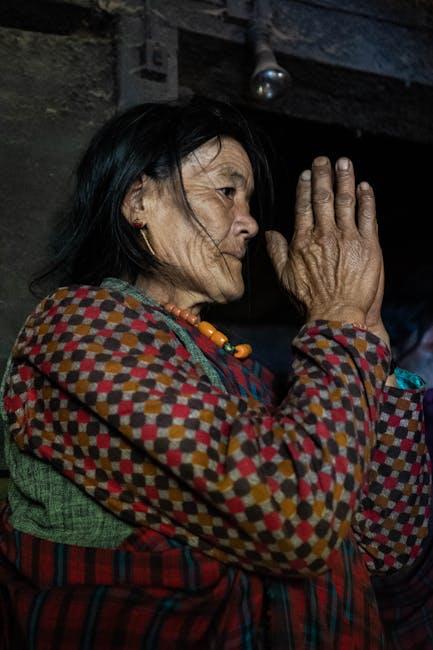
Consider Lina, who grew up with an Italian mother and a Brazilian father. Her family dinners were a blend of languages, foods, and stories from two continents. Yet, when she moved to Italy for university, Lina faced questions that exposed the fragile nature of hybrid identity: “Are you really Italian if you don’t speak the language flawlessly?” These moments highlighted the paradox many dual citizens experience – the joy of belonging to multiple cultures shadowed by the challenge of not fitting perfectly into any single box. Her decision to embrace both her roots, rather than choosing one, meant navigating moments of both deep connection and subtle conflict, whether it was feeling Brazilian warmth at heart but European formality in social settings, or missing gestures that her friends took for granted.
Hybrid identities often compel us to reconcile contrasting expectations. Take Raj’s experience as a dual citizen of Canada and India: the Canadian emphasis on direct communication clashed with his family’s more reserved and indirect style. During a heated family discussion about career choices, Raj realized that expressing his feelings openly – a trait encouraged by one part of his identity – sometimes caused unintended rifts within his traditional family circle. Such situations reveal valuable lessons about the fluid nature of identity and belonging. The interplay between the divergent norms doesn’t always fit neatly, but understanding those tensions fosters empathy and self-awareness. Interestingly, navigating these nuanced spaces often uncovers unexpected common ground, turning the blurry borders into bridges rather than barriers.
| Challenge | Example | Result/Lesson |
|---|---|---|
| Language proficiency expectations | Lina questioned on her Italian fluency | Acceptance that identity transcends language mastery |
| Communication styles clash | Raj’s directness vs. family’s reserve | Balance openness with cultural sensitivity |
- Embrace complexity: Recognize that identity isn’t fixed but evolves through experience.
- Leverage duality: Use multiple perspectives to build empathy across cultures.
- Accept ambiguity: Understand that feeling in-between is a natural part of hybrid belonging.
Journeys of Choice Embracing Complexity at the Crossroads of Culture and Law
Consider Sara, who grew up in Brazil but acquired Canadian citizenship through her parents. When she decided to start a business that required legal residency and work permits in both countries, she faced a labyrinth of contrasting laws-tax obligations in Brazil clashed with Canadian residency requirements. Her journey wasn’t just legal; it was deeply cultural. At family gatherings in São Paulo, she was seen as “returning home” but also as an outsider who had become “too Canadian.” Meanwhile, in Toronto, some peers admired her multicultural background but struggled to understand why she felt torn between two different sets of expectations about identity, loyalty, and belonging. Her story reveals how dual citizenship is less about a clean legal framework and more about navigating overlapping identities that don’t always align seamlessly with legislation.
Moments of choice often surface where culture and law intersect uncomfortably. For instance, dual nationals may confront mandatory military service, inheritance rights, or differing social norms that place them at a crossroads. The law can demand unwavering allegiance to one nation, but personal identity chooses a bridge instead of a border. A simple table illustrates some typical decision points:
| Decision Moment | Legal Expectation | Cultural Reality |
|---|---|---|
| Military conscription | Mandatory service in one country | Desire to avoid conflict with other nation’s values or family ties |
| Tax residency | Global income reporting and double taxation concerns | Financial identity tied to where life is primarily lived, not just legal residence |
| Language use | No legal restriction on language | Pressure to conform linguistically to fit into either culture |
- Lesson one: Legal frameworks are rigid, but human identity is fluid, requiring individual navigation rather than simple compliance.
- Lesson two: Embracing complexity helps dual citizens advocate for policies that reflect their lived realities, not just abstract laws.
Lessons from Shared Spaces How Dual Citizenship Shapes Perspectives on Home and Belonging
When Lina gained dual citizenship between Brazil and Canada, she found herself navigating more than just two passports; she was navigating two different senses of home. In Brazil, the noise of family gatherings and the lush, warm air around her childhood house whispered a deep-rooted belonging. Yet in Canada, the orderly streets and the brisk, clean air of her adopted city fostered a different kind of belonging – one defined by personal growth and new societal roles. Lina’s story is a familiar one among dual citizens: the sharp contrast between an emotional, almost instinctive connection to one nation and a practical, sometimes even aspirational tie to another. More often than not, this duality creates moments of tension where the expected sense of belonging becomes complicated, forcing individuals to reconcile two often disparate worlds.
This balancing act becomes especially clear during decision-making moments, such as choosing where to vote, which educational system aligns best with personal values, or where to raise children. Take Arjun, holding Indian and British citizenships, who initially thought he’d adopt British customs entirely to fit in. But over time, he realized that embracing his Indian heritage openly in his daily life didn’t alienate him in the U.K. but enriched his community interactions. This revelation highlights a powerful lesson: dual citizenship isn’t about choosing one identity over another but integrating elements of both to create a personalized sense of belonging. Some key takeaways from such experiences include:
- Belonging evolves: It isn’t static; it adapts with circumstances, relationships, and self-awareness.
- Home can be multiple places: Emotional attachment doesn’t bind exclusively to physical location.
- Identity flexibility: Dual citizenship fosters a fluid identity that thrives on diversity rather than uniformity.
| Expectation | Reality | Lesson Learned |
|---|---|---|
| Dual citizenship means choosing one homeland | Many feel connected to both nations in distinct but meaningful ways | Identity can be layered and complex, reflecting multiple homes |
| Assimilation requires abandoning past culture | Maintaining cultural heritage enriches social experiences in both countries | Belonging grows from integration, not erasure |
From Fragmented to Whole Stories Illustrating the Unexpected Benefits and Challenges of Living Between Nations
Living between two nations often means piecing together identities like a mosaic, rather than having a single, cohesive picture. Take Leila, for instance, who was born in Brazil but raised in Canada. At family gatherings in Toronto, she cherishes the aroma of feijoada and the lively samba music that instantly connect her to her roots, yet she’s equally at home discussing Canadian politics or cheering for the Maple Leafs with her friends. This duality brings a rich cultural tapestry but also unexpected friction-like when Leila found herself caught in the middle of political debates where her perspectives were seen as “too foreign” or “not fully Canadian.” Moments like these illustrate how dual citizenship can enrich one’s worldview but also complicate that grounding sense of belonging, often making individuals feel like cultural chameleons navigating between blurred lines and shifting expectations.
These experiences reveal both the benefits and challenges of straddling nations, sometimes in surprising ways:
- Benefit: Access to diverse opportunities-whether in career, education, or travel-broadening horizons beyond what a single nationality might afford.
- Challenge: Legal and bureaucratic hurdles, where dual citizens must constantly reconcile conflicting obligations, like taxation or voting rights.
Consider the case of Amir, who juggled tax filings in the U.S. and Iran, learning the hard way that dual citizenship demands not only emotional balancing but also practical vigilance. On an emotional level, many recount the bittersweet reality of celebrating holidays differently or missing out on events “back home” due to visa restrictions or divergent social calendars. This ongoing negotiation between expectation and reality underscores a critical lesson: embracing a fragmented identity isn’t about choosing sides but about weaving those fragments into a resilient, multifaceted story.
The Way Forward
In the delicate dance of dual citizenship, individuals weave together threads from two distinct cultures, crafting a tapestry rich with complexity and nuance. Navigating these intertwined identities invites both challenge and opportunity-a chance to redefine belonging beyond borders, to embrace multiplicity without losing oneself. As the world grows increasingly interconnected, the journey of balancing two worlds reminds us that identity is not a fixed destination but an evolving story, shaped by the courage to hold space for many places to call home.




