
In a world increasingly defined by movement and connection, the concept of identity grows ever more intricate. “Between Borders and Belonging: Navigating the Complex Realities of Multiple Citizenship” delves into the nuanced experience of individuals who hold more than one passport, transcending traditional notions of nationality. This exploration invites readers to consider how legal status, cultural ties, and personal allegiance intersect in lives lived across boundaries-where belonging is no longer confined to a single place, but rather woven from multiple stories, rights, and responsibilities. As global migration reshapes societies, understanding the multifaceted nature of multiple citizenship becomes essential to grasp the evolving definitions of home, identity, and community in the 21st century.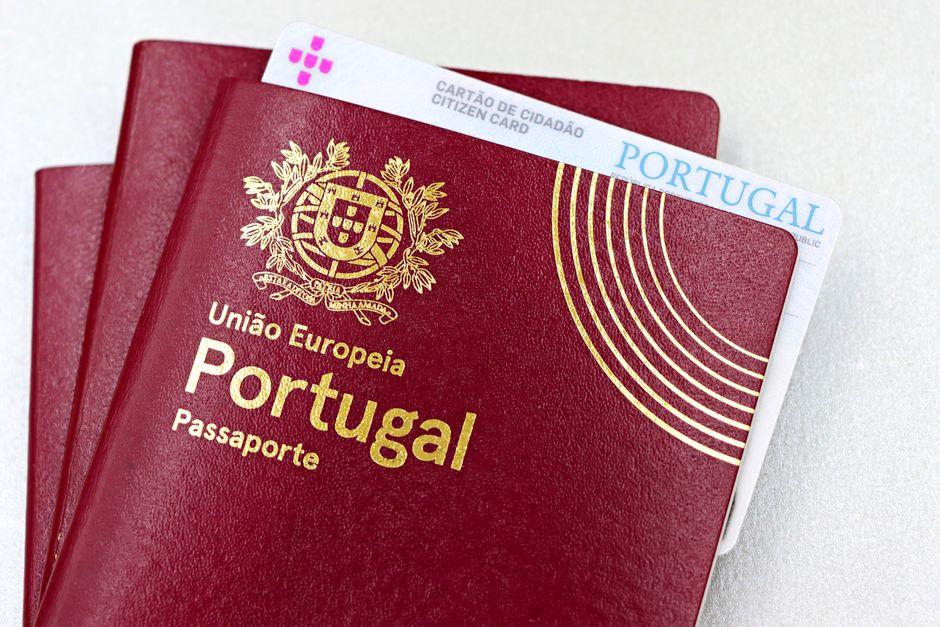
Crossing Thresholds Where Identity Expands and Contracts
When Amina first received her second passport, she imagined a seamless expansion of her identity-a simple broadening of horizons rather than a seismic shift. Yet, the reality was far more nuanced. Crossing physical and symbolic borders, she often found herself negotiating moments where her identity felt both enriched and, paradoxically, contracted. At an international conference, for example, speaking as a representative of one country opened doors, but acknowledging ties to another sometimes triggered suspicion or confusion. These instances highlighted the delicate balance between the freedom to belong in multiple places and the pressure to prioritize one identity over another.
Such threshold moments reveal key insights about multiple citizenship beyond legal status. They underscore how identity is fluid, shifting according to context and interaction, and challenge the assumption that more citizenships always equal more inclusion. Consider this brief comparison of Amina’s experiences:
| Situation | Expectation | Reality |
|---|---|---|
| Traveling home for holidays | Seamless entry with both passports | Questions about loyalty and ‘real’ belonging |
| Professional networking abroad | Broader acceptance and connections | Occasional identity oversimplification or mislabeling |
- Lesson 1: Identity expansion through multiple citizenship is not linear but a series of negotiations.
- Lesson 2: Social perceptions can contract identity, even when legal rights broaden it.
These contradictions invite a deeper understanding that navigating multiple citizenships means continuously crossing thresholds where identity is neither fixed nor fully free-but rather an evolving tapestry shaped by personal choice and external narratives.
Unseen Burdens in the Quiet Spaces of Dual Allegiance
Consider Layla, born to immigrant parents in Canada but holding dual citizenship with Lebanon. For years, she juggled the pride and excitement of belonging to two cultures, only to find that quiet moments-birth registrations, voting rights, or even travel restrictions-became sources of unexpected complexity. When Layla applied for a local job requiring security clearance, she confronted questions about her dual allegiance. Her Lebanese citizenship suddenly felt like a shadow in a process where loyalty and identity collided. In those quiet administrative spaces, where forms demand checkboxes and governments seek singular answers, Layla faced a common yet unseen burden: the assumption that allegiance must be exclusive, even when lived realities say otherwise.
This tension between expectation and experience surfaces frequently in the lives of those with multiple citizenships. The freedom to cross borders often comes with the invisible weight of divided loyalties, questioning moments, and difficult choices. Take another example: Ahmed, who, after years studying and working in the United States, had to decide whether to renounce his original citizenship to solidify his status. The decision was less about paperwork and more about identity-a painful negotiation between legal benefit and personal heritage. From these stories emerge three crucial lessons:
- Dual citizenship is rarely just a legal status. It’s woven into everyday decisions and personal identity.
- Legal systems often lag behind lived complexities. Bureaucracy can inadvertently impose loyalty tests where none should exist.
- Navigating dual allegiance requires resilience and awareness. Understanding rights and limitations is key to managing both opportunity and risk.
| Expectation | Reality |
|---|---|
| Dual citizenship means total freedom to travel and work. | Some countries restrict rights or impose burdens despite citizenship. |
| Holding two passports symbolizes seamless belonging. | Belonging can feel fractured when loyalties are questioned or politicized. |
| Governments embrace dual citizens fully. | Legal frameworks sometimes treat dual citizenship with suspicion or limitation. |
When Passports Tell Conflicting Stories of Home
Maria’s story begins with a small, leather-bound passport from Portugal and unfolds with a bulky, newer passport from Brazil. Both documents claim her as their own, yet each offers a different narrative about her identity. On one hand, her Portuguese passport grants her ease of movement across the EU, but her Brazilian passport connects her to the vibrant culture and family roots thousands of miles away. The complexity emerges at moments like visa interviews or job applications, where Maria must decide whether to present herself primarily as Portuguese or Brazilian. These decisions are laden with invisible weight: choosing the “right” passport often influences not only how officials view her but also how she reconciles her own sense of belonging. Unexpectedly, the benefits of dual citizenship sometimes falter under the realities of bureaucracy, as Maria learns that neither country fully anticipates the contradictions in her identity or the logistical challenges she faces.
Consider Alex, holding Canadian and Australian passports. Despite the common assumption that dual citizenship equals double privileges, his lived experience highlights a different truth. When seeking work visas in other countries, Alex frequently encounters questions that force him to explain his “conflicting” affiliations, revealing how passports sometimes tell competing stories rather than neat, complementary ones. The contrast between expectations and results becomes pronounced when Alex is barred from consular assistance from one country because he was traveling on the other’s passport. Small moments like these accumulate, teaching him critical lessons: citizenship is not simply a matter of legal documents but a mosaic of rights, allegiances, and sometimes, contradictions. To navigate this, dual citizens like Maria and Alex often develop a nuanced understanding that these passports are not just entry permits-they are ongoing narratives of *who they are*, shaped as much by policies as by personal choice.
| Situation | Expectation | Reality | Lesson |
|---|---|---|---|
| Applying for a work visa | More passports mean greater ease | Conflicting duties and questions arise | Dual citizenship demands careful navigation |
| Consular support during crisis abroad | Access to help from either country | Services limited depending on passport used | Citizenship benefits aren’t always interchangeable |
Lessons from Journeys That Defy a Single Nation’s Embrace
When Amina first obtained her second citizenship, she imagined seamless travel, a broadened sense of identity, and access to greater opportunities. Yet, reality quickly tested her assumptions. At an international conference, holding two passports proved both a blessing and a burden. While her European citizenship allowed visa-free access to several countries, her Middle Eastern passport raised eyebrows at security checkpoints where dual citizenship sometimes sparked suspicion rather than welcome. She found herself navigating unexpected questions like, “Which country do you truly represent?”-a poignant reminder that multiple citizenships don’t always translate to unproblematic belonging. Amina’s experience reveals a critical lesson: possessing multiple legal identities can simultaneously open doors and produce complex negotiations of allegiance, cultural identity, and legal obligations.
Consider then Elias, a young professional balancing tax responsibilities and career mobility with his dual citizenship in Canada and Australia. Initially, Elias anticipated financial benefits and flexibility in his job search. However, complexities rapidly emerged when tax authorities in both countries required detailed disclosures, and he faced contradictory residency rules. His choice to maintain jobs in both nations led to double tax filings, prompting him to engage specialists to avoid costly mistakes. Elias’s journey illustrates that multiple citizenships often demand navigating intricate bureaucracies rather than simply enjoying freedom. Below is a concise view of the contrasts he encountered:
| Expectation | Reality | Lesson |
|---|---|---|
| Tax benefits from residing in one country | Complex dual tax filing, overlapping obligations | Seek specialized guidance early on |
| Freedom to work anywhere between countries | Legal and residency criteria limit ease of movement | Understand each nation’s legal frameworks fundamentally |
- Lesson in identity: Multiple citizenships may challenge personal and external perceptions of belonging.
- Lesson in administration: Dual (or multiple) citizenship often introduces layers of legal and financial complexity that require proactive management.
Balancing Acts Between Legal Rights and Personal Roots
Consider Amina, who was born in Morocco but raised in Canada. She proudly maintains citizenship in both countries, cherishing the legal protections and benefits each offers. Yet when it came time to decide on military service obligations or potential tax liabilities, her neat dual identity blurred into a web of competing demands. The rights she held on paper collided with the realities of personal allegiance and cultural expectations from family back home. In one instance, the Moroccan consulate requested proof of military exemption-a requirement many Moroccan men with dual citizenship face-prompting Amina to re-evaluate what belonging meant beyond legal definitions. Cases like hers reveal how multiple citizenship often forces more than administrative juggling; they invite introspection about where one’s roots truly lie, and how legal rights are sometimes weighed against deeply personal, sometimes conflicting, duties.
For many, the balance between legal rights and personal roots also unfolds in unexpected ways during major life decisions. Take Miguel, who grew up between Spain and Argentina. He expected his dual nationality to smooth the pathway to living, working, and accessing benefits in both countries without hassle. Yet when deciding where to send his children to school, he felt torn not only by differing educational systems but by cultural identity and community ties. His dual citizenship granted him freedom of movement-yet it did not provide clear answers to questions about which culture would better nurture his family’s future. Eventually, he realized that multiple citizenships are less about a simple set of transactions and more about constantly navigating nuanced spaces where legal frameworks, cultural expectations, and personal values intersect.
| Aspect | Legal Rights | Personal Roots |
|---|---|---|
| Identity | Defined by paperwork and statutes | Shaped by culture, family, and experience |
| Obligations | Taxes, military service, voting | Emotional bonds, community expectations |
| Benefits | Social services, travel, work opportunities | Language, traditions, belonging |
To Conclude
As the world continues to weave tighter connections across continents and cultures, the notion of citizenship evolves beyond mere geography into a complex tapestry of identity, rights, and responsibilities. Navigating the intricate realities of holding multiple citizenships demands not only legal understanding but also a profound reflection on where one belongs-between borders and within communities. In embracing these layered identities, individuals and societies alike have the opportunity to redefine belonging in a way that transcends traditional lines, crafting a future where complexity is not a barrier, but a bridge.




