
In an increasingly interconnected world, identity is no longer confined to a single place or passport. For many Americans, holding dual citizenship means walking a delicate tightrope “between two flags,” where allegiance, culture, and legal obligations intertwine in complex and often surprising ways. This article explores the multifaceted reality of dual citizenship for American citizens, shedding light on the unique challenges and opportunities of belonging to two nations at once. As borders blur and global ties deepen, understanding the nuances of dual nationality becomes essential for navigating the modern landscape of identity, rights, and responsibilities.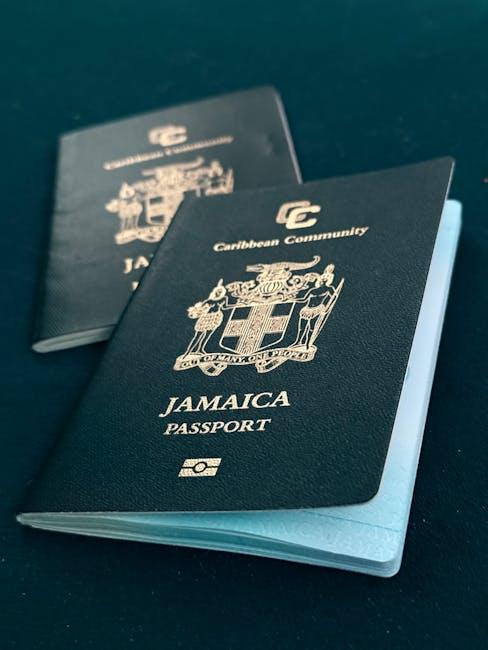
A Day in the Life of a Citizen Straddling Borders
Imagine waking up to two alarm clocks—one synced with Eastern Standard Time in the U.S., the other ticking away on Central European Time. For a dual citizen, the day often begins with juggling commitments across borders. Take Emily, who works remotely for a New York-based company while managing family responsibilities in Germany. Her mornings involve conference calls at odd hours, coordinating with colleagues and relatives who are worlds apart. One morning, she faced a difficult decision: attend an important virtual meeting scheduled at 7 a.m. her time or help her children prepare for school in a new country. The choice underscored a common challenge for dual citizens—balancing professional expectations with personal realities, often without clear right or wrong answers.
Beyond scheduling conflicts, navigating legal and cultural nuances punctuates the day. For example, Marcus, who holds both American and Canadian citizenship, discovered this firsthand when renewing his passport abroad. The process seemed straightforward until he encountered differences in documentation and local procedures that clashed with American federal guidelines. Moments like this highlight the complexities behind dual citizenship, where what looks like a simple task can become a maze of forms, regulations, and sometimes unexpected costs. Yet, these hurdles often come with invaluable lessons on patience, cultural fluency, and adaptability—skills that become as crucial as the passports themselves.
| Common Day-to-Day Challenges | Real-Life Example |
|---|---|
| Time zone management | Emily juggling calls between New York and Berlin |
| Legal requirements for citizenship documentation | Marcus navigating passport renewal in Canada |
| Cultural expectations and norms | Choosing holidays and celebrations that satisfy both cultures |
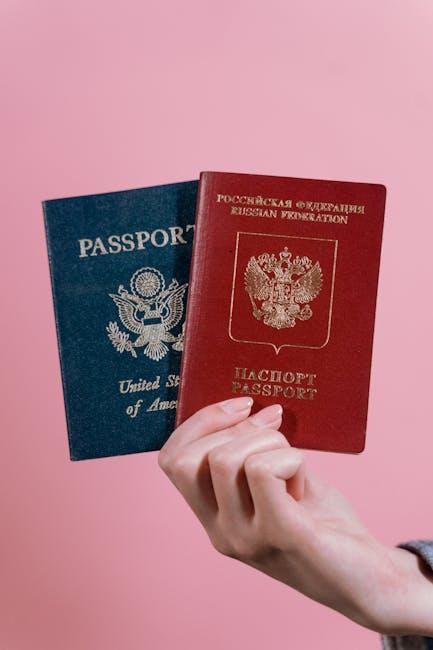
When Loyalties Diverge How Dual Citizenship Shapes Identity
Imagine Sarah, an American citizen with dual citizenship in Italy. Growing up, she celebrated the Fourth of July with fireworks and barbecues, yet every summer, her family made sure she experienced a traditional Italian festa. These celebrations weren’t just about food or festivities; they wove two distinct threads into her identity. However, this rich blend sometimes turns complicated—during presidential elections, for example, Sarah felt a tug of loyalty that wasn’t just political but deeply personal. While she was proud to vote in the U.S., her heart also ached seeing political debates in Italy, highlighting how dual citizenship can create moments where loyalties don’t just coexist but occasionally diverge. This divergence isn’t about disloyalty; it’s the challenge of holding space for two national narratives inside one person.
These complex loyalties often surface in more subtle, everyday decisions. Take Jamal, who holds American and Ghanaian citizenship. When he moved back to the U.S. after years in Ghana, he found that expectations from both sides clashed unexpectedly. His American friends assumed his Ghanaian roots dictated a particular worldview, while his Ghanaian relatives expected him to conform to local customs he’d grown distant from. This dissonance taught Jamal that dual citizenship is less about fitting neatly into two boxes and more about navigating an ongoing negotiation between identity, belonging, and perception. Lessons from stories like Sarah’s and Jamal’s reveal common themes:
- Flexibility: Embracing fluid identity rather than rigid allegiance allows for personal growth.
- Empathy: Understanding each country’s history and values fosters deeper connection.
- Self-definition: Identity becomes a personal choice rather than a mandated category.
| Aspect | Expectation | Reality |
|---|---|---|
| Political Loyalty | Aligned fully with one nation | Emotional and practical tensions between both nations |
| Social Integration | Seamless acceptance in both cultures | Nuanced struggles with belonging and stereotypes |
| Cultural Identity | Choosing a single cultural identity | Embracing hybrid, evolving self-concepts |
Bridging Legal Labyrinths Navigating Rights and Responsibilities
When Maria, an American-born software engineer, decided to claim her Italian citizenship through her grandmother, she didn’t anticipate the tangled web of legal expectations that awaited. Initially, she imagined a straightforward celebration of heritage but soon found herself in a maze of paperwork, tax regulations, and military obligations neither she nor her family had ever navigated. The assumption that holding two passports simply meant double the freedom quickly met the reality of dual legal duties. For instance, while in Italy, Maria was subject to local laws on income declaration that differed significantly from U.S. tax requirements, forcing her to carefully balance what she shared and when to avoid penalties in both countries.
It’s not just about taxes or visas—rights and responsibilities under two flags can sometimes pull citizens in opposing directions. Take James, a tech consultant with dual American-British citizenship; he faced an unexpected dilemma when UK export controls threatened to limit his work with certain U.S.-based clients. His everyday professional decisions suddenly hinged on understanding a complex patchwork of regulations where an action legal under one passport could complicate his standing under the other. Here’s a glimpse into the dual citizenship balancing act:
| Aspect | Expectation | Reality |
|---|---|---|
| Taxation | Separate, simple filing in each country | Complex overlaps require double reporting and treaty navigation |
| Military Service | “Dual citizens exempt where inactive” | Some countries expect active obligation regardless of residence |
| Legal Jurisdiction | Can pick preferred legal system for issues | Certain acts may invoke the laws of both countries simultaneously |
- Learn early: Understanding the legal landscape helps avoid costly surprises.
- Consult professionals: Dual citizenship often demands expert tax and legal advice.
- Plan for flexibility: The “right” choice today may change as laws evolve or life circumstances shift.
Unexpected Lessons from Balancing Two National Narratives
When I first obtained dual citizenship, I anticipated a straightforward pride in holding two passports—a clear advantage for travel and a deeper connection to my heritage. Instead, I found myself navigating moments of unexpected complexity. Take the instance of a family gathering—half my relatives proudly waving the American flag, the others draped in the colors of another nation. A simple toast became charged with unspoken tensions reflecting contrasting political perspectives I hadn’t encountered before. It was a vivid reminder that dual citizenship isn’t just a legal status; it’s a daily dance between different national narratives. Suddenly, decisions like which news source to trust or which national holiday to celebrate carried more weight, revealing how intertwined personal identity and geopolitics can be.
One of the most surprising lessons came during tax season when I realized the practical implications of holding two citizenships extended far beyond identity. The paperwork, from tax obligations to voting regulations, unfolded a complex web that often delivered results opposite to what I expected. For example, while dual citizenship promised ease in mobility, it sometimes led to bureaucratic delays or conflicting duties. I learned to balance these demands through a set of grounded strategies:
- Prioritize clear documentation: Keeping comprehensive records helped ease interactions with both consulates.
- Engage with community groups: They provided support and nuanced perspectives on blending traditions.
- Stay well-informed: Policies change and affect rights; staying updated prevents surprises.
| Expectation | Reality |
|---|---|
| Freedom to represent both nations equally with pride | Feeling pressure to choose sides in cultural or political discussions |
| Simplified travel and fewer restrictions | Occasional visa complications and legal nuances to navigate |
| One set of tax obligations | Complex dual filing requirements and eligibility questions |
Finding Harmony in Contrasts The Personal Impact of Dual Status
For Sarah, holding dual citizenship between the United States and Italy was more than a legal status—it was an ongoing balancing act of identity and belonging. When she first applied for her Italian passport, she imagined seamless travels and a broader sense of home. Yet, she quickly learned that with this dual identity came moments of tension, especially when decisions required allegiance beyond paperwork. At family gatherings, she often found herself navigating differing expectations: American relatives emphasizing independence and individualism, while her Italian family cherished communal ties and tradition. The contrast wasn’t just cultural; it was deeply personal. These moments forced Sarah to become more attuned to her values, teaching her that embracing both sides meant accepting contradictions rather than resolving them neatly.
Consider the everyday implications more broadly: dual citizens like Sarah often encounter complex scenarios, such as tax obligations, voting rights, and even career opportunities split between two systems. Here is a snapshot of what this balance can look like:
| Aspect | Expectation | Reality | Personal Lesson |
|---|---|---|---|
| Voting Rights | Participate equally in both countries’ elections | Complex registration processes and conflicting election laws | Patience and informed planning are vital |
| Taxation | Simple dual tax filing | Potential double taxation, needing expert advice | Seek professional guidance and stay updated |
| Cultural Identity | Smooth blending of traditions | Sometimes feeling caught between communities | Creating a unique, personal identity is empowering |
These contrasts highlight a shared truth among dual citizens: the path between two flags is rarely straightforward. Instead, it is a continual process of negotiation—between legal obligations and emotional ties, between public responsibilities and private feelings. The personal impact is found not only in the challenges but also in the rich connectivity and adaptability that dual status fosters.
The Way Forward
In the intricate dance of identity and allegiance, dual citizenship offers a uniquely layered experience—one that navigates the space between two flags, two sets of laws, and two cultural narratives. For American citizens who embrace this complex reality, the journey is neither simple nor uniform, but rather a personal balancing act shaped by opportunity, responsibility, and belonging. As borders blur and the world grows more interconnected, the conversation around dual citizenship continues to evolve, inviting each individual to define what it truly means to hold loyalty in two places at once. Ultimately, living between two flags is not just about legal status—it is a modern reflection of how identity can transcend boundaries, opening doors to new possibilities while demanding thoughtful navigation of the ties that bind.




