
In an increasingly globalized world, the concept of citizenship is evolving beyond the traditional bounds of birthright and naturalization. For some, acquiring a second passport through investment isn’t just a symbol of prestige—it’s a strategic move toward greater freedom, security, and opportunity. But which countries actually open their doors—and their citizenship documents—through financial contributions? This article embarks on a journey to explore the nations that offer citizenship for purchase, examining the options available and the benefits they bring. Whether driven by business ambitions, travel flexibility, or lifestyle enhancements, understanding these pathways can illuminate new avenues for a truly global identity.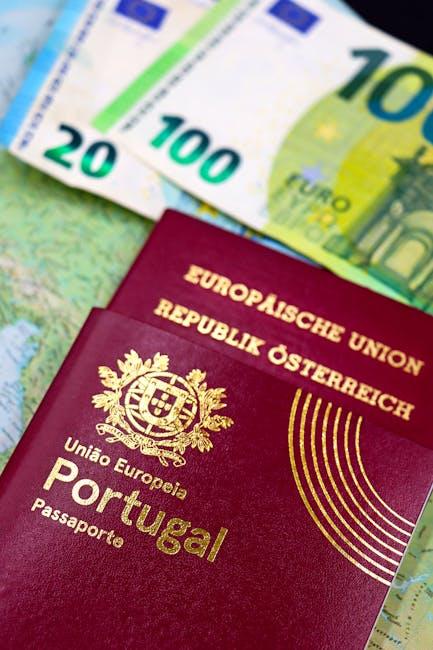
Understanding Citizenship by Investment and How It Works
Citizenship by Investment (CBI) is a legal process through which individuals can obtain citizenship in a country by making a significant financial contribution to that nation’s economy. Unlike traditional naturalization, which may require years of residency and other criteria, CBI programs offer a faster, more straightforward path to acquiring a second passport. These investments typically include options like real estate purchases, donations to government funds, business development, or government bonds. The appeal of citizenship by investment lies in benefits such as visa-free or visa-on-arrival access to numerous countries, tax optimization, enhanced global mobility, and often, the possibility of living or working within the country or its economic zones.
Understanding how a CBI program works is crucial before deciding which country to invest in. Most programs follow a similar structure:
- Application Submission: The investor submits personal and financial documents along with the required application forms.
- Due Diligence: A rigorous background check is conducted to ensure no criminal or financial risks, which is common across most reputable programs.
- Investment: Once approved, the investor is required to complete the designated investment, such as purchasing real estate or donating to a national development fund.
- Citizenship Grant: After the investment and approval, citizenship documents and a passport are issued, often within a few months.
Key differences between countries often hinge on investment thresholds, eligibility requirements, processing times, and residency obligations. Some programs may require the investor to reside in the country for a minimum period; others impose no physical presence requirements at all. Choosing the right CBI program depends on your personal goals—whether for travel flexibility, business expansion, or lifestyle changes—and understanding these factors can significantly streamline your decision-making process.
Key Advantages of Buying Citizenship in Different Countries
Purchasing citizenship offers several compelling advantages, making it an attractive option for individuals seeking enhanced global mobility, financial diversification, and a better quality of life. Among the most significant benefits is visa-free or visa-on-arrival access to numerous countries, which can drastically reduce travel restrictions and improve ease of international business. In addition, citizenship by investment often brings tax optimization opportunities, as some nations feature favorable tax regimes or exemptions for new citizens. Buyers also gain access to better education and healthcare systems, along with increased political stability and personal security. These tangible benefits vary widely depending on the country’s economic environment, governance, and geopolitical stature, so understanding the specific perks each nation offers is crucial.
When evaluating options, it’s important to consider how the citizenship investment program aligns with your long-term goals. Countries offering citizenship for purchase typically provide:
- Different investment thresholds—ranging from real estate acquisitions to direct government donations—with some requiring minimum residency periods, while others grant citizenship almost immediately.
- Varied processing times, which affect how quickly you can enjoy citizenship rights.
- Dual citizenship acceptance, important for retaining your original nationality without legal conflicts.
The table below compares these factors in popular programs to help you discern the best fit:
| Country | Minimum Investment | Processing Time | Residency Required | Dual Citizenship Allowed |
|---|---|---|---|---|
| St. Kitts & Nevis | $150,000 (donation) | 4-6 months | No | Yes |
| Portugal | €280,000 (real estate) | 12-24 months | Yes (minimum stay) | Yes |
| Turkey | $400,000 (real estate) | 3-6 months | No | Yes |
Choosing the right program requires weighing these factors against your personal and financial circumstances. Ultimately, buying citizenship is not just about acquiring a new passport but unlocking a strategic asset that expands your freedom, security, and opportunities worldwide.
Common Challenges and Misconceptions About Purchasing Citizenship
- Understanding the Nature of Citizenship by Investment: One of the most common misconceptions is that purchasing citizenship is simply a transactional process akin to buying property or a product. In reality, citizenship by investment programs often involve a combination of financial contribution, stringent due diligence checks, and sometimes residency requirements. Prospective applicants must be prepared for a detailed background review that assesses criminal history, financial transparency, and overall eligibility. This process ensures the integrity of the program and prevents misuse, which is frequently misunderstood by first-time applicants expecting a quick or guaranteed outcome.
- Challenges Relating to Legal and Political Risks: Many people underestimate the potential risks involved in purchasing citizenship, including changes in immigration laws or policy shifts in the offering country. Some programs might be suspended, altered, or terminated due to geopolitical pressures or changes in government, impacting the benefits that initially attracted applicants. Additionally, not all passports obtained through investment offer equal travel freedom or visa-free access, which can affect the long-term value of the citizenship. It’s important to research and compare benefits such as visa-free travel, tax implications, and the rights provided by each citizenship option before making a commitment.
| Common Misconceptions | Reality |
|---|---|
| Citizenship is instantly granted upon investment | Lengthy due diligence and application processing times usually apply |
| All citizenships by investment programs offer the same benefits | Benefits vary widely; some offer strong passports, others focus on business opportunities |
| No ongoing obligations after purchase | Some countries require residency or continued financial commitments post-citizenship |
Choosing the Right Country for Citizenship Based on Personal Goals
Choosing the right country for citizenship based on your personal goals requires a clear understanding of what each jurisdiction offers in terms of lifestyle, investment requirements, and long-term benefits. For instance, if your priority is global mobility, countries like Malta and St. Kitts and Nevis often rank highly with their visa-free access to numerous countries. Conversely, if you are looking for favorable tax regimes, nations such as Dominica and Vanuatu stand out for offering citizenship with minimal tax obligations, making them attractive for wealth preservation. It’s also essential to consider the processing time and due diligence level; some countries can grant citizenship in as little as three to six months, while others may take years and require more stringent background checks.
To simplify your decision-making, evaluate options against key criteria linked to your goals:
- Investment threshold: Some countries require direct real estate purchases, while others accept government funds or business investments.
- Residency obligations: Determine if you need to spend significant time in the country to maintain citizenship.
- Family inclusion: Check whether family members can be included under a single application and what additional costs apply.
- Dual citizenship acceptance: Confirm your home country’s stance on dual citizenship to avoid legal complications.
| Country | Investment Type | Processing Time | Key Benefits |
|---|---|---|---|
| Malta | Donation + Real Estate | 12-14 months | EU passport, strong travel freedom |
| Saint Kitts & Nevis | Donation or Real Estate | 3-6 months | Fast processing, visa-free travel |
| Dominica | Donation or Real Estate | 3-4 months | Low cost, tax-friendly |
| Turkey | Real Estate or Business | 4-6 months | Relatively affordable, access to a large economy |
Ultimately, aligning your citizenship by investment choice with your personal and financial objectives ensures not only a smoother application process but also maximizes the return beyond just holding a second passport.
Expert Tips for Navigating the Citizenship by Investment Process
- Research Eligibility Criteria Thoroughly: Each citizenship by investment program has distinct requirements, including minimum investment amounts, residency obligations, and due diligence checks. Understanding these specifics upfront will save time and prevent costly errors. For example, some countries require a non-refundable donation to a national development fund, while others demand real estate purchases or business investments. Ensure you meet not only the financial thresholds but also personal background and health vetting processes, which can vary significantly across jurisdictions.
- Engage with Experienced Professionals: Navigating complex legal frameworks and application procedures is challenging without expert guidance. Licensed agents or immigration lawyers specializing in citizenship by investment can provide customized advice, streamline documentation, and identify the most suitable country options aligned with your goals—be it visa-free travel, tax advantages, or family inclusion. A knowledgeable consultant also helps mitigate risks of application delays or rejection by anticipating common pitfalls such as incomplete paperwork or inconsistencies in financial disclosures.
| Step | Key Considerations | Expert Tip |
|---|---|---|
| Initial Assessment | Financial capacity, family inclusion, residency demands | Compare investment types relative to personal long-term goals |
| Documentation | Proof of funds, background checks, health certificates | Prepare and verify documents before submission to avoid delays |
| Application Submission | Follow authority guidelines, timely payments | Maintain clear communication with officials or intermediaries |
| Post-Approval | Citizenship oath, passport issuance, travel arrangements | Plan integration strategically for residency or tax benefits |
Future Outlook
As global connectivity continues to reshape the way we live, work, and dream, the option to acquire citizenship through investment presents a unique pathway to new opportunities. Whether driven by business ambitions, lifestyle preferences, or a desire for greater mobility, the countries that offer citizenship-for-purchase programs open doors to diverse cultures and economic landscapes. By weighing the benefits against the commitments, prospective applicants can make informed decisions that align with their goals. Ultimately, citizenship—whether earned by birth or investment—remains a profound tie to identity, security, and belonging in an ever-evolving world.




