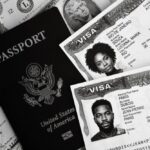
In a global landscape where borders blur and cultures intermingle, holding a dual passport is more than a legal status-it is a passage between worlds. This unique position offers a wealth of opportunity, from expanded career paths to enriched cultural experiences. Yet, it also poses intricate questions of identity and belonging. How does one reconcile the pull of two homelands? What does it truly mean to navigate life between contrasting traditions, expectations, and allegiances? In exploring the nuanced journey of those who carry dual citizenship, we delve into the delicate balance of opportunity and identity, and the evolving concept of home in an interconnected world.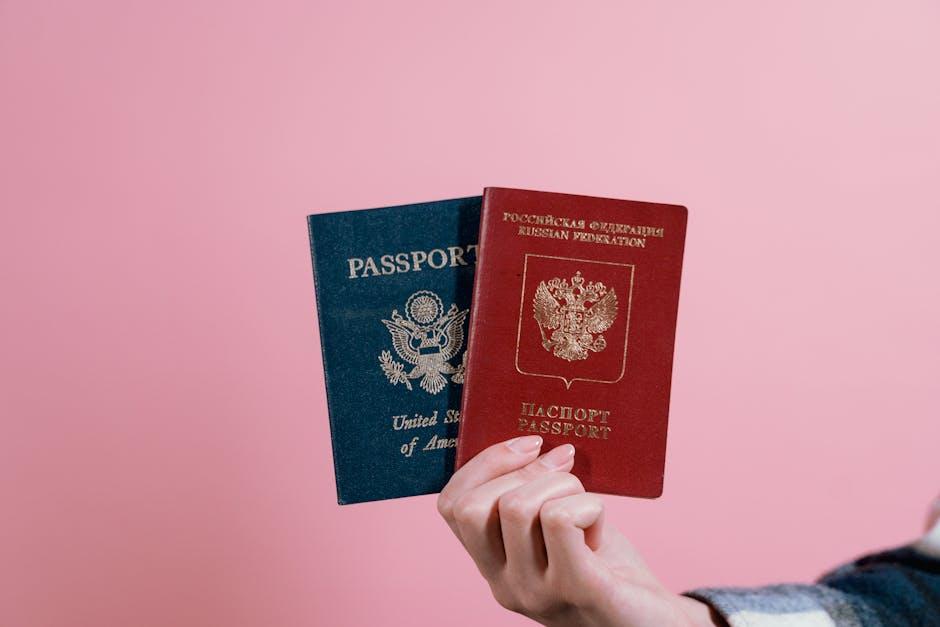
Crossroads of Culture and Citizenship in a Dual Passport Journey
Maria’s story is a familiar one among dual passport holders-she was born in Brazil but grew up in Canada, each culture weaving its own values into her identity. Deciding which traditions to honor during holidays became more complex than she anticipated. While her Canadian friends celebrated Thanksgiving with turkey and football, Maria’s family gathered for a vibrant Brazilian festa junina, complete with traditional foods and dances. These moments of cultural convergence brought the joy of belonging to two worlds, but also the challenge of reconciling conflicting expectations. For Maria, embracing both her backgrounds meant learning to flexibly navigate social norms-sometimes it was the polite reserve learned in Canada, other times the expressiveness rooted in Brazil that best suited the moment.
When it came to citizenship rights, the dual passport journey often demanded tough choices. Take Ahmed, whose Turkish and German passports opened doors to work permits and healthcare access across Europe and the Middle East. However, his experience illuminated an unexpected hurdle: military service obligations in Turkey, a commitment not required in Germany. This forced Ahmed to weigh professional opportunities against legal responsibilities, a decision fraught with personal and bureaucratic complexities. Such scenarios underscore key lessons for dual citizens:
- Legal obligations: Understanding the differences in duties such as taxation, voting, and conscription.
- Cultural diplomacy: Using dual heritage as a bridge rather than a barrier in social and professional contexts.
- Personal identity: Navigating moments of internal conflict and finding peace in multifaceted belonging.
| Aspect | Expectation | Reality |
|---|---|---|
| Holiday Celebrations | Clear alignment with one culture’s traditions | Blended observances that evolve personally |
| Citizenship Duties | Simplified access to rights and services | Complex legal requirements and occasional conflicts |
| Social Identity | Unambiguous sense of belonging | Dynamic and sometimes contradictory self-perception |
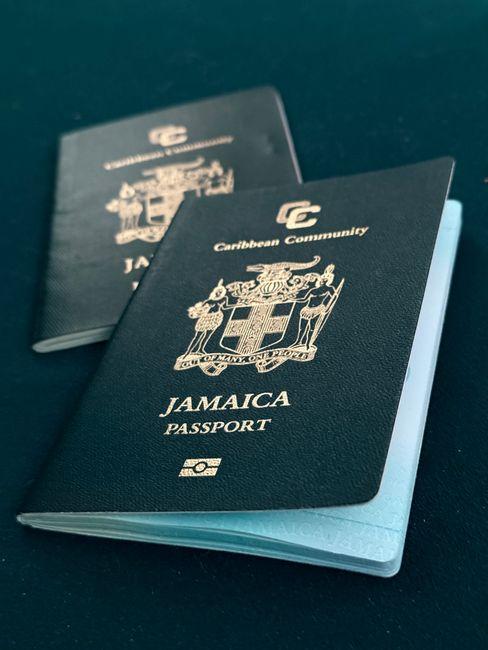
Moments of Choice Where Identity Meets Opportunity
Imagine Ana, born in Brazil but raised in Portugal, clutching her dual passport as she faces her first serious career crossroads. Should she accept a promising job offer in Lisbon with familiar culture and language, or take a riskier but potentially life-changing role in São Paulo, where family ties run deep? This moment crystallizes the unique challenges of dual citizenship – where identity is not just a feeling but an active factor shaping opportunity. For Ana, this decision is loaded with emotional weight, practical considerations like healthcare and taxation, and the subtle tug of belonging to two distinct worlds. Her choice ultimately reflects a negotiation between where she feels “at home” and where she sees her future flourishing, showcasing how a dual passport is less about convenience and more about navigating deeply personal crossroads.
These moments are not isolated to career decisions. Take Amir, a dual citizen of Canada and Iran, planning higher education for his daughter. The family weighs options between the perceived safety and academic reputation of Canadian universities versus the cultural education and affordability of institutions in Iran. The conversation unfolds in layers – concerns about visas and political climates, the importance of cultural immersion, and the subtle expectation management of relatives in both countries. What’s clear is the complexity inherent in dual identity: opportunities come masked as dilemmas, and belonging isn’t guaranteed by paperwork alone. Such decisions crystallize the dual passport’s dual promise – access and ambiguity – and show that these “moments of choice” are as much about self-definition as they are about opportunity.
| Scenario | Opportunities Offered | Identity Challenges |
|---|---|---|
| Career Offer in Country A vs. Country B | Established network, job security, social services | Feeling of “outsider” vs. sense of belonging |
| Education Choices for Children | Quality education, language advantages, cost | Cultural integration, family expectations, political stability |
Balancing Expectations from Two Worlds with Grace
Balancing expectations from two worlds often feels like walking a tightrope between contrasting values and norms. Take the example of Lina, who holds both Canadian and Indian passports. When attending family gatherings in India, the expectation is to prioritize community and tradition-arriving on time, dressing modestly, and engaging in extended family rituals. Back in Canada, her friends value individuality and casual spontaneity. Lina recounts a moment when she was late to a Canadian brunch due to a lengthy family puja, only to face raised eyebrows from friends unaccustomed to such commitments. This experience highlighted the delicate dance of honoring one cultural identity without unintentionally alienating the other. Over time, Lina learned to communicate openly about these cultural nuances, setting realistic boundaries while embracing flexible compromises.
The journey of balancing these dual expectations involves constant self-reflection and adjustment. Many in similar situations find themselves at crossroads-whether to pursue career paths aligned with one country’s traditional prestige or follow emerging opportunities embraced by the other. Decisions don’t come easy, and often, the outcome teaches more than the expectation. For instance, David, a German-American with dual citizenship, thought working back in Germany would meet his family’s hopes of stability, only to realize that the startup culture in the U.S. better suited his creative drive. His story is a reminder that expectations-whether familial, societal, or personal-can be navigated gracefully through:
- Open Dialogue: Sharing pressures and perspectives with loved ones fosters empathy on both sides.
- Flexible Identity: Accepting that one can embody multiple cultures without full allegiance to either.
- Incremental Adaptation: Small choices that gradually create a balanced lifestyle rather than one sudden shift.
| Expectation | Common Result | Lesson Learned |
|---|---|---|
| Prioritize extended family obligations | Missed personal/social opportunities | Set clear expectations and occasional boundaries |
| Embrace career defined by one country’s norms | Potential mismatch with personal passion | Align career choice with both identity and opportunity |
| Adopt cultural norms of one world exclusively | Loss of authentic self or feelings of exclusion | Blend and fluidly navigate cultural traits |
Lessons Learned from Navigating Belonging in Conflicting Spaces
Navigating belonging across two cultures often feels like walking a tightrope-as I experienced during a family gathering abroad. At a dinner table filled with relatives who shared my passport but not my experiences abroad, I caught myself hesitating before speaking up about career goals shaped by global exposure. The expectation was that I would align fully with one cultural narrative, yet my reality was a mosaic of influences. This moment taught me the importance of embracing dual narratives rather than forcing a singular identity. Rather than trying to fit neatly into one box, I started to appreciate the power of being a bridge: someone who can translate values, ideas, and customs between worlds.
A clearer understanding of these conflicting spaces came through a simple-but powerful-framework I use when faced with choices that test my sense of belonging:
- Recognize the Context: Identify which cultural expectations are at play and whether they align with your goals.
- Prioritize Authenticity: Choose actions that feel true to your whole self, not just to one cultural dimension.
- Build Support Systems: Connect with people who understand the nuances of dual identities and can provide nuanced guidance.
Below is a comparison of expectations versus outcomes I’ve encountered when balancing these identities. It highlights how initial discomfort can give way to unexpected opportunities for connection and growth:
| Expectation | Reality | Lesson Learned |
|---|---|---|
| Fully fitting into my ancestral culture | Feeling like an outsider despite shared history | Belonging is not always about fitting in perfectly but about finding bridges. |
| Having to choose one country’s identity over the other | Discovering a richer identity that embraces both | Hybrid identities offer unique perspectives and competitive advantages. |
| Facing rejection from peers in one culture | Finding empathy and kinship in unexpected communities | Belonging can be cultivated in chosen spaces, not just inherited ones. |
Embracing Complexity Through Stories of Dual Belonging
Maria, born in Brazil but raised in Portugal, often found herself sitting between two worlds in ways that shaped her identity silently yet profoundly. At family gatherings, Portuguese traditions wove seamlessly into the Brazilian rhythms she cherished, yet hobbies like football revealed subtle fissures-her Brazilian friends expected a certain flair, while her Portuguese peers admired discipline and tactics. When faced with the decision to apply for university in Lisbon or São Paulo, Maria recognized more than just an educational choice; it was a crossroads of belonging and opportunity. She chose Lisbon, valuing familiarity and proximity, but the initial months brought unexpected challenges: feelings of displacement within her own community and the difficulty of translating her multicultural background into professional assets. Her story is a powerful reminder that dual belonging is less about reconciling two cultures and more about navigating the liminal space between them.
Consider Amir, a tech entrepreneur with dual citizenship in Canada and Iran. With access to both markets, he could launch ventures that leveraged unique technological insights and diverse consumer needs. Yet, each choice carried weight beyond business strategy. Opening a startup in Canada offered a stable ecosystem but felt detached from his cultural roots. Conversely, setting up in Iran promised impact and meaningful contribution, but regulatory hurdles and geopolitical tensions complicated even basic decisions like hiring and partnership building. Amir’s journey highlights key lessons for anyone embracing dual belonging:
- Decision moments often come laden with trade-offs between cultural comfort and opportunity, not always clear or immediate.
- Belonging is multifaceted, shaped by personal values, societal acceptance, and practical realities alike.
- Dual citizenship provides leverage, but effective navigation requires recognizing when to lean into each identity and when to forge a unique, integrated path.
| Aspect | Maria (Portugal/Brazil) | Amir (Canada/Iran) |
|---|---|---|
| Primary Challenge | Balancing cultural identity in personal settings | Managing professional opportunities amid political constraints |
| Opportunity | Choosing education aligned with personal comfort and career goals | Leveraging insights from two distinct tech markets |
| Lesson | Identity is fluid and thrives in liminal spaces | Strategic navigation of belonging enhances opportunity |
In Conclusion
In the delicate dance between two homelands, holding a dual passport is more than a mere symbol of citizenship-it is a passport to possibility and an ongoing negotiation of self. As borders blur and identities intertwine, those who navigate these intertwined worlds carry stories of both challenge and chance. The journey is rarely straightforward, yet it is precisely within this in-between space that new opportunities arise, heartfelt connections are forged, and a unique sense of belonging takes root. Embracing the complexities of a dual identity, one learns that belonging is less about choosing one world over another, and more about weaving together the threads of both into a tapestry that is authentically their own.