
In an increasingly interconnected yet unpredictable world, the quest for a second passport has evolved far beyond the romantic ideal of wanderlust and unbridled freedom. Today, securing dual citizenship is emerging as a strategic imperative-one that intertwines with global economic shifts, geopolitical uncertainties, and the evolving nature of identity itself. This article explores why chasing a second passport is not simply about packing bags and crossing borders; it’s about future-proofing one’s place in the modern world, unlocking new opportunities, and navigating the complex landscape of 21st-century citizenship with foresight and resilience.
Rethinking Dual Citizenship Beyond Liberty to Navigate Geopolitical Complexity
Traditional discourse around dual citizenship often fixates on the notion of personal liberty-a passport as a tool for freedom to travel, work, or reside where one pleases. While these freedoms are undeniably valuable, they reveal only a narrow slice of a deeper geopolitical reality. Dual citizenship must now be reframed as a complex geopolitical strategy, where identity intersects with security, economic resilience, and influence. The assumption that a second passport is merely a lifestyle luxury ignores how nation-states increasingly weaponize citizenship rules, economic access, and diplomatic protections to project power and control populations. In this light, acquiring dual citizenship is less about absolute freedom and more about navigating a world rife with shifting alliances, emerging blocs, and unpredictable visa regimes.
However, this pivot introduces unavoidable trade-offs. The dual citizen is often caught between conflicting legal systems, uneven diplomatic commitments, and sometimes contradictory national loyalties. Not all second passports are created equal-holding citizenship from a politically stable, economically robust country with strong global relationships confers vastly different strategic advantages than one from a less influential state. This demands a discerning approach where due diligence measures not just document requirements and processing speed, but also evaluates:
- Geopolitical stability: Is the issuing country a reliable global player or prone to political upheaval?
- International mobility: What is the true strength of the passport in terms of visa-free access to key regions?
- Legal and tax obligations: What complications arise from dual nationality, including fiscal responsibilities or mandatory military service?
| Aspect | High-value Citizenship | Lower-value Citizenship |
|---|---|---|
| Passport Strength | Extensive visa-free travel (~180+ countries) | Limited visa-free access (~50-80 countries) |
| Geopolitical Influence | Strong diplomatic ties and economic sanction immunity | Limited diplomatic leverage, vulnerable to sanctions |
| Obligations | Potentially complex (tax filing, military) | Often less stringent but with limited external benefits |
Picking the “right” second citizenship is not a matter of checklist convenience but a strategic calculus aligned with one’s geopolitical risk profile, professional ambitions, and future-proofing strategies. It means embracing dual citizenship as a multifaceted hedge against uncertainty rather than a simple ticket to freedom.
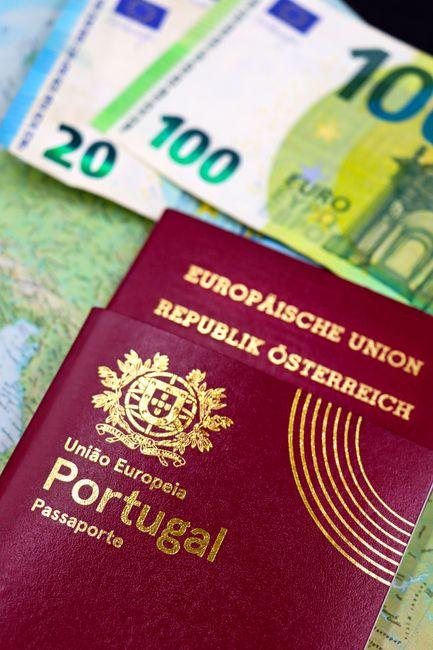
The Subtle Costs and Compromises Behind Securing a Second Passport
Securing a second passport is often heralded as a seamless avenue to enhanced freedom and opportunity, but this narrative glosses over the nuanced trade-offs that accompany such a pursuit. The financial outlay alone-spanning application fees, legal counsel, and potential investment thresholds-can tip into six figures depending on the country and method chosen. Moreover, the process demands considerable time and bureaucratic navigation, far from the instant “golden ticket” some marketing materials suggest. Beyond cost, there’s an often-overlooked vulnerability: the risk of political or regulatory shifts. Countries may alter citizenship laws, revoke investor programs, or tighten due diligence with little warning, disproportionately impacting those who invested heavily early on. The allure of a second passport must therefore be tempered with a realistic assessment of geographical, political, and economic stability to avoid turning strategic flexibility into unforeseen liability.
Furthermore, obtaining a second citizenship is rarely a zero-sum gain; it invariably entails compromises that deserve sober scrutiny. Dual citizenship can inject complexity into one’s tax planning, financial reporting, and even personal identity-more so when the two countries have conflicting legal frameworks or diplomatic stances. For example, some nations enforce global taxation policies or mandatory military service, factors that can drastically affect the desirability of holding their passport alongside a primary one. Prospective applicants should not conflate “freedom” with unrestricted benefits; instead, they must weigh:
- Long-term obligations versus immediate perks
- Potential diplomatic frictions against genuine mobility improvements
- Privacy ramifications vis-à-vis transparency requirements
This multifaceted calculus suggests that the second passport is less a universal panacea than a tailored tool-one that demands strategic alignment with one’s overarching personal, financial, and geopolitical realities.
Beyond Borders A Strategic Playbook for Future-Proofing Global Identity
In the rapidly shifting landscape of global mobility and geopolitical dynamics, the pursuit of a second passport transcends individual freedom-it becomes a calculated maneuver in a broader strategic playbook. Rather than treating global identity acquisition as a mere contingency plan, discerning individuals and entities must adopt a multi-layered approach, balancing access, security, and alignment with long-term geopolitical forecasts. This involves discerning not only where a passport offers visa-free travel but also how it interacts with evolving tax regimes, digital identity frameworks, and bilateral diplomatic relations. It’s here that the simplistic allure of “freedom of movement” falls short; the true value lies in future-proofing one’s global footprint through measured diversification of citizenships and residencies, anticipating regional shifts instead of reacting to them.
Yet this strategic layering demands acknowledging critical trade-offs. For example, the often-touted benefits of citizenship-by-investment programs must be weighed against potential reputational risks and tightening regulatory scrutiny worldwide. Quality outweighs quantity; a portfolio of passports must reflect not just broad access but geo-economic stability and interoperability with one’s personal and professional networks. The table below illustrates a nuanced comparison to guide strategic selection:
| Criteria | High-Tier Citizenship | Emerging Geo-Strategic Passport |
|---|---|---|
| Visa-Free Access | Extensive global reach, especially in Western markets | Growing but regionally concentrated, potential for rapid expansion |
| Political Stability & Rule of Law | High, with robust legal protections and transparency | Variable; requires close monitoring of reforms and governance trends |
| Taxation & Compliance | Strict but clear frameworks, easing integration | Often favorable but susceptible to rapid regulatory shifts |
| Global Perception & Durability | High international trust; passports often coveted | Emerging cachet; potential reputational volatility |
Ultimately, future-proofing global identity is less about chasing a coveted document and more about strategic discernment-curating a citizenship portfolio that aligns with forecasted geopolitical flux and personal ambitions. Those who navigate this with nuance will not only safeguard mobility and security but also position themselves at the forefront of a new era where citizenship is a dynamic asset rather than static belonging.
When a Second Passport Isn’t the Answer Exploring More Sustainable Mobility Solutions
While the allure of a second passport promises a powerful expansion of personal freedom and security, this path is not universally optimal or sustainable. The pursuit often overlooks the profound trade-offs tied to cost, regulatory scrutiny, and the unpredictable geopolitical shifts that can render dual citizenship a double-edged sword. Rather than defaulting to a passport-driven mindset, discerning individuals and policymakers should focus on more resilient strategies that prioritize mobility without compromise. These alternatives emphasize adaptability and inclusiveness over mere legal status – bolstering global belonging through frameworks like digital nomad visas, enhanced bilateral agreements, and international cooperation on immigration policies.
- Digital Nomad and Remote Work Visas: Emerging as flexible, lower-barrier solutions, these visas cater to the evolving nature of work without imposing the permanence or rigid obligations inherent in citizenship acquisition.
- Multilateral Mobility Frameworks: Agreements such as the EU’s Schengen Area or ASEAN’s Mutual Recognition Arrangements illustrate how regional integration can substantially improve mobility without requiring new passports.
- Investment in Portable Social Rights: Instead of focusing solely on passports, some advocate for portable health, education, and social security benefits transferable across borders-thus aligning rights with individuals rather than states.
| Solution | Pros | Cons |
|---|---|---|
| Second Passport | Long-term security, legal protections, political leverage | High costs, complex application, dependency on shifting geopolitics |
| Remote Work Visas | Flexible, cost-effective, aligned with modern work trends | Limited duration, fewer political rights |
| Regional Mobility Agreements | Simplified cross-border movement, collective bargaining power | Restricted to specific regions, uneven benefits |
Ultimately, chasing a second passport is not a panacea and risks perpetuating an exclusivity mindset that privileges wealth and nationality over genuine freedom of movement. Forward-thinking approaches demand a shift from individualistic citizenship acquisition toward collective infrastructure investments that democratize mobility, making it less contingent on documents and more reflective of interconnected global realities. As we rethink what freedom truly entails, it becomes clear that sustainable mobility solutions should be prioritized, providing scalable, equitable frameworks that anticipate future political and economic disruptions, rather than double down on past paradigms.
Citizenship Reinvented Assessing the True Value and Risks of Holding Multiple Nationalities
Multiple citizenships have evolved far beyond mere travel convenience; they now represent a complex geopolitical asset that requires astute evaluation rather than automatic pursuit. While many advocate for a second passport as a panacea for personal freedom, economic opportunity, or global mobility, it is critical to differentiate between passports that genuinely expand strategic options versus those that introduce hidden vulnerabilities. For example, dual citizenship in countries with conflicting political alliances or unstable governance structures may expose holders to diplomatic tensions, legal ambiguities, and unwarranted scrutiny by international authorities. Furthermore, the assumption that all citizenships confer equal personal or professional leverage ignores the reality that legitimacy and power remain unevenly distributed. An individual’s decision must factor in:
- Legal frameworks: Does the secondary citizenship allow dual nationality without jeopardizing the original one?
- Geopolitical stability: Is the country’s political climate conducive to long-term asset protection?
- Visa-free access and economic integration: Which nations does the passport facilitate entry into without cumbersome visas?
- Tax obligations: Will dual tax liabilities narrow or broaden fiscal flexibility?
Understanding the intrinsic trade-offs is paramount. Multiple citizenships can paradoxically complicate legal standing and financial arrangements, often overshadowed by the allure of ‘more freedom.’ The risks manifest in enhanced surveillance, complicated inheritance laws, and fluctuating citizenship policies that can revoke rights without warning. A nuanced approach recommends prioritizing quality over quantity-selecting a second nationality that complements your existing socio-economic profile and future aspirations rather than simply accumulating passports as status symbols. To clarify:
| Criteria | High-Value Second Citizenship | Low-Value Second Citizenship |
|---|---|---|
| Geopolitical Risk | Stable democratic regime, predictable legal system | Frequent political unrest, authoritarian tendencies |
| Global Mobility | Access to 150+ visa-free countries | Limited visa-free travel, dependence on consular support |
| Tax Implications | Clear tax treaties, favorable treaties for wealth management | Conflicting tax systems, potential double taxation |
This strategic recalibration challenges the cliché that “any second passport is an unequivocal upgrade.” Instead, it underscores the imperative of conducting rigorous due diligence-anchoring citizenship diversification to purpose, pragmatism, and future-proofing, rather than impulsive freedom-seeking or status accumulation.
In Retrospect
In a world where borders shift and global dynamics evolve at a dizzying pace, the pursuit of a second passport transcends mere freedom-it becomes a calculated step toward securing one’s future. It’s not simply about the privileges of travel or escape; it’s about forging a resilient identity in an uncertain age. As citizenship transforms from a fixed notion into a dynamic asset, embracing the strategic imperative of multiple national ties might be the key to navigating tomorrow’s complexities with confidence and foresight. After all, the passport you hold today could define the opportunities you seize tomorrow.




