
In an age where global connectivity shapes our ambitions and opportunities, the concept of citizenship transcends traditional boundaries. Citizenship by Investment (CBI) programs have emerged as intriguing gateways, offering individuals the chance to forge new identities and access worlds beyond their birthright. Yet, behind the allure of economic mobility and expanded horizons lie intricate challenges—ethical dilemmas, regulatory scrutiny, and questions of national security. This article embarks on a journey beyond borders, exploring the promising potentials and complex realities that define citizenship by investment in today’s interconnected world.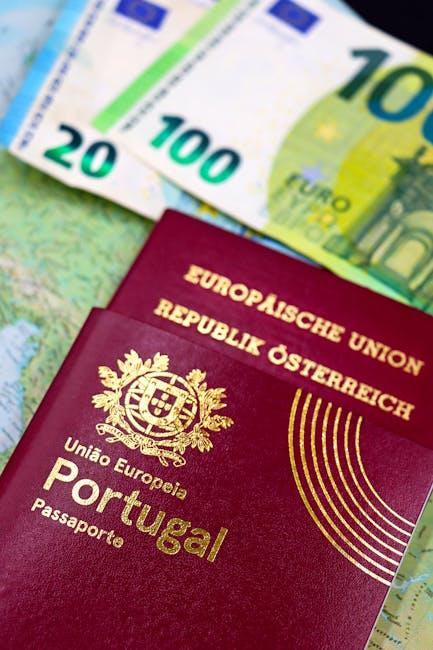
Exploring the Aspirations Behind Citizenship by Investment
- Global Mobility and Opportunity: Take the case of Sara, a tech entrepreneur from a country with limited visa-free travel options. For her, acquiring a second citizenship meant unshackling her business from cumbersome visa processes and tapping into markets that were previously inaccessible. Yet, when the new passport arrived, she found that the bureaucracy of her new home country’s local systems was not as seamless as she anticipated. The lesson? While citizenship by investment often promises enhanced global mobility, the local integration process and cultural adaptation can shape the true value of this new status.
- Economic Security and Family Future: Consider Ahmed, who viewed a second citizenship primarily as a safeguard for his family’s future amid economic instability at home. His decision was driven by the hope of securing access to stable education and healthcare systems abroad. However, once relocated, Ahmed grappled with the complex reality of balancing loyalty to his homeland while adapting to a new societal fabric. This highlights a common tension: the anticipation of a fresh start versus the ongoing negotiation of identity and belonging inherent in the citizenship-by-investment journey.
| Expectation | Reality |
|---|---|
| Immediate access to visa-free travel | Waiting periods for passports and some route restrictions still apply |
| Streamlined path to citizenship | Legal complexities and due diligence can extend timelines |
| Economic stability and secure future | Adjustment to new tax regimes and local integration challenges |

Unpacking the Complexities and Controversies on the Path
- The unforeseen hurdles: Consider the story of a tech entrepreneur from Eastern Europe who sought citizenship through investment, envisioning a seamless transition to global business opportunities. The initial paperwork and financial transactions seemed straightforward; however, the realities of bureaucratic delays, additional background checks, and sudden regulatory changes soon complicated his timeline. This experience underscores a critical lesson: while the promise of expedited citizenship is enticing, the path often involves navigating a labyrinth of evolving legal requirements and administrative unpredictability.
- Ethical dilemmas and public perception: Another illustrative case comes from a Caribbean island nation whose citizenship-by-investment program sparked robust debate. While government officials touted the influx of capital leading to infrastructural development, locals expressed concerns over potential security risks and the dilution of national identity. This tension highlights a recurring challenge—balancing economic benefits against social cohesion and international reputation. In both examples, the contrast between expectation and actual outcomes reveals how citizenship by investment is far from a one-size-fits-all solution, demanding careful deliberation and transparent policymaking.
| Decision Point | Expectation | Reality/Lesson Learned |
|---|---|---|
| Speed of acquisition | Fast-track citizenship within months | Processing delays extended timelines; due diligence intensified |
| Economic contribution | Investment automatically boosts national economy and local welfare | Investment benefits concentrated; societal concerns on inequality arose |
| Legal scrutiny | Transparent verification processes | Occasional gaps in vetting raised international scrutiny and reputational risk |
When Opportunity Meets Regulation Challenges in Global Mobility
Navigating the landscape of Citizenship by Investment (CBI) programs often begins with excitement about new possibilities—access to global markets, visa-free travel perks, and enhanced business opportunities. But this journey can quickly turn complex when regulatory frameworks come into play. Take, for example, the case of a tech entrepreneur from Southeast Asia who pursued a Caribbean CBI program to expand into European markets. While the prospect promised an EU-friendly passport within months, significant hurdles emerged during due diligence checks, including discrepancies in financial disclosures that required extensive clarification. This delay not only postponed the expected timeline but also forced a strategic pivot: the entrepreneur had to engage specialized legal counsel to navigate both the investment requirements and cross-border compliance demands. The reality highlighted an essential lesson: opportunity without rigorous preparation can lead to costly setbacks.
Moreover, the evolving regulatory environment means that what works one day may change overnight. Consider the contrast between expectation and result in a Middle Eastern family’s experience with Malta’s Individual Investor Programme. Initially attracted by its reputed straightforward process, they soon faced unexpected increases in residency proof requirements and new anti-money laundering policies that reshaped their plan entirely. This situation underlined the importance of proactive adaptation and continuous monitoring of legal updates. Developers of CBI programs and applicants alike must weigh these challenges carefully, bearing in mind core decision points such as:
- Transparency and compliance rigor: ensuring all sources of funds pass scrutiny without surprises
- Timing and procedural clarity: accounting for potential delays due to evolving regulatory checks
- Post-citizenship obligations: understanding residency terms and ongoing legal responsibilities
| Expectation | Typical Regulatory Challenge | Lesson Learned |
|---|---|---|
| Fast-track citizenship in 3 months | Extended vetting due to complex financial histories | Build time buffers and prepare comprehensive documentation |
| Simple application with minimal residency | New compliance measures requiring physical presence | Stay updated; flexibility is key in planning relocation |
Ultimately, success in global mobility via CBI programs hinges on balancing the allure of opportunity with the realities of regulation—a cautious dance that rewards those who come prepared and informed.
Lessons from Success Stories and Stumbling Blocks
- Case in point: When a real estate developer from Eastern Europe invested heavily in a Mediterranean country’s Citizenship by Investment (CBI) program, expectations were sky-high. The promise of visa-free travel, a safe haven, and a quick naturalization seemed straightforward. Yet, months into the process, bureaucratic delays and shifting political winds in the host country derailed his timeline. Unlike the streamlined experiences often marketed, he faced rigorous background checks and unexpected legal hurdles. The key takeaway? Due diligence must extend beyond paperwork; understanding the political and regulatory climate is crucial. Successful applicants often engage local experts who interpret these nuances, transforming potential pitfalls into manageable detours.
- Contrast this with a tech entrepreneur from Southeast Asia who chose a smaller island nation’s CBI program. While the upfront investment was significant, the entrepreneur’s decision was backed by thorough research into the nation’s economic stability, transparent governmental procedures, and post-investment integration support. This vetting paid off; within a year, the entrepreneur not only secured citizenship but also leveraged the new status to expand business operations across key markets. Lessons here emphasize that a program’s reputation and post-citizenship benefits often overshadow the initial financial outlay. The journey from application to successful citizenship is seldom linear. It demands adaptability—balancing optimism with pragmatism—and an appreciation for how local realities can alter expectations profoundly.
| Aspect | Expectation | Common Reality | Key Lesson |
|---|---|---|---|
| Processing Time | Fast-track citizenship in under 6 months | 延長 due to background verifications and policy reviews | Plan for possible delays; keep contingency plans |
| Investment Safety | Stable real estate or funds with guaranteed returns | Market fluctuations affect asset values | Assess investment risk separately from citizenship outcome |
| Government Transparency | Clear, consistent regulations and requirements | Changes or suspensions of programs occur unexpectedly | Stay updated and partner with reputable advisers |
Balancing Sovereignty and Economic Gains in Citizenship Programs
When small island nations first launched Citizenship by Investment (CBI) programs, the promise of rapid economic growth was undeniable. Take the case of St. Kitts and Nevis, which in the early 2000s saw a surge of capital inflows that transformed its infrastructure and public services. However, this influx also sparked an ongoing debate: how much economic gain justifies the compromise, or perceived compromise, of sovereign control over citizenship? Governments found themselves facing hard questions such as:
- Who qualifies for citizenship? Open gates risked reputational damage from inadequate due diligence, yet overly strict criteria could stifle economic benefit.
- What rights and responsibilities should newly minted citizens hold? The traditional link between birthright and allegiance blurred, challenging norms of national identity.
- How to maintain transparency and accountability? Balancing confidentiality for investors with the need to deter misuse remains a complex puzzle.
Countries like Malta and Cyprus offer contrasting lessons. Malta initially attracted affluent investors eager to access the EU but faced criticism when practices appeared to prioritize money over integrity. In response, reforms tightened vetting procedures and enhanced government oversight, illustrating the critical pivot from unchecked optimism to cautious governance. This journey highlights that economic gains are seldom an unalloyed boon; rather, they require continuous calibration between short-term benefits and the enduring safeguard of a nation’s sovereignty.
| Country | Initial Approach | Result | Lesson Learned |
|---|---|---|---|
| St. Kitts & Nevis | Welcoming, flexible eligibility | Economic boost, but scrutiny over vetting standards | Need for robust background checks to protect reputation |
| Malta | Premium EU citizenship access | Criticism led to program revisions | Balancing attractiveness and integrity is key |
Concluding Remarks
As the world grows increasingly interconnected, citizenship by investment programs stand at a fascinating crossroads—offering gateways to new opportunities while raising complex questions about identity, equity, and sovereignty. Navigating this evolving landscape requires a careful balance, embracing the promise of global mobility and economic growth without overlooking the challenges that lie beneath the surface. Beyond borders, these programs invite us to rethink what it means to belong in an age defined by movement, aspiration, and transformation. The journey is far from simple, but it is undeniably compelling.




