
In an era where global mobility is both a privilege and a strategic asset, the allure of acquiring citizenship beyond one’s native borders has taken on new dimensions. “Beyond Borders: The Complex Journey of Gaining Citizenship Through Investment” delves into the intricate pathways that intertwine finance, law, and personal ambition. This article explores how individuals and families navigate a labyrinth of regulations, economic thresholds, and ethical debates in pursuit of new national identities-not merely as a formality but as a calculated move towards broader opportunities. As citizenship transforms from a birthright into a commodity, the journey beyond borders reveals a landscape rich with complexity, offering insight into how modern citizenship is being reshaped in a globalized world.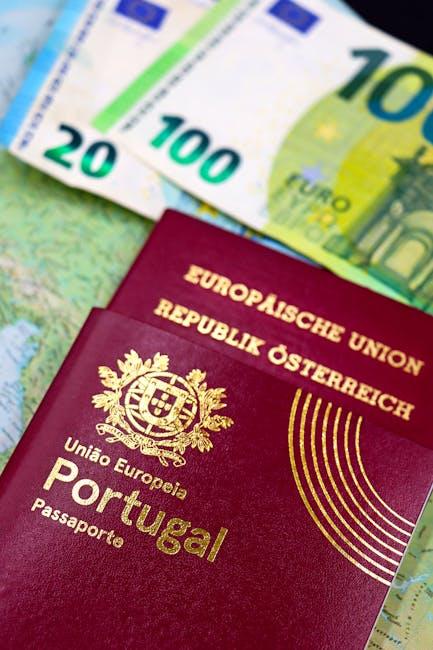
Navigating the Personal Motivations Behind Citizenship by Investment
For many, the decision to pursue citizenship through investment springs from deeply personal motivations rather than mere financial strategy. Take the story of Maria, a tech entrepreneur from South America, whose desire was not just about gaining a second passport but securing her children’s future in a country with a stable education system and healthcare. Her journey illuminated the profound role that family security and global mobility play in these decisions. Unlike a straightforward business transaction, these choices often come with complex emotional undertones-balancing hopes for freedom against the realities of leaving behind familiar cultural roots. Maria’s experience revealed an important lesson: while citizenship by investment promises access, it also demands confronting significant trade-offs, including lengthy application processes and the weight of cultural assimilation.
Similarly, contrasting cases like that of Ahmed, a Middle Eastern investor seeking to diversify his assets, emphasize the variance in expectations versus outcomes. Initially driven by financial diversification and visa-free travel, Ahmed quickly found that the administrative and legal nuances were more intricate than anticipated. His decision points-choosing between fast-track programs versus those requiring residency-exemplify the critical need for thorough due diligence. These stories underscore several key considerations for anyone navigating this landscape:
- Personal vs. Professional Goals: Clarify whether citizenship is primarily for family security, business expansion, or lifestyle changes.
- Emotional Preparation: Be ready for cultural adjustments and potential identity shifts.
- Legal and Financial Complexities: Understand the regulatory obligations and long-term commitments involved.
| Motivation | Common Expectation | Typical Reality | Lesson Learned |
|---|---|---|---|
| Family Security | Seamless transition to a better quality of life | Long application processes, emotional stress of relocation | Patience and local support networks are essential |
| Financial Diversification | Quick asset protection and travel benefits | Varying program requirements, hidden costs | Comprehensive research and professional advice are critical |
| Lifestyle & Mobility | Freedom to travel without restrictions | Residency or physical presence often needed | Assess program conditions carefully before committing |

Facing the Legal and Ethical Complexities of Economic Citizenship
Consider Maria, a tech entrepreneur from Brazil who embarked on the journey of economic citizenship with the ambition to broaden her business horizons. Initially drawn by the promise of streamlined residency and investment returns, she quickly found herself navigating a maze far more intricate than anticipated. The legal processes differed wildly between countries, with some demanding extensive background checks and others requiring proof of economic contribution over several years. What caught Maria off guard was the subtle but persistent challenge of staying compliant with both her home country’s laws and those of her new potential homeland. For example, while her investment met all criteria in one jurisdiction, unexpected tax liabilities back home turned out to be a significant financial and legal hurdle. Such scenarios emphasize how the path to investment citizenship is seldom linear and requires thorough due diligence beyond the investment itself.
- Legal Frameworks Vary: Countries employ different standards for due diligence, anti-money laundering checks, and economic impact assessments.
- Ethical Trade-offs: Investing in citizenship often raises questions about fairness and the implications for national identity and security.
- Cross-border Compliance: Applicants must frequently balance conflicting tax laws and reporting obligations.
| Expectation | Reality |
|---|---|
| Quick and smooth citizenship process | Lengthy vetting and bureaucratic delays |
| Transparent investment guidelines | Ambiguity in legal requirements and shifting policies |
| Clear tax obligations | Complex international taxation and unexpected liabilities |
Mohan, an Indian investor, faced another dimension of complexity: the ethical implications of economic citizenship. While his priority was to secure global mobility for his family, he encountered increasing scrutiny from activists and policymakers debating whether such programs undermine the principle of equal citizenship. The broader consequences touched on questions of social equity and the potential for wealth-based stratification in national communities. Mohan’s reflection on these concerns led him to research governments that emphasize rigorous screening and reinvestment requirements aimed at genuine societal contribution, rather than just financial transactions. His experience reveals a crucial decision point-balancing personal benefit against wider ethical considerations-which is an often overlooked but essential part of the journey. Ultimately, facing these complexities requires not only legal expertise but also a thoughtful approach to the responsibilities that come with an economic citizenship.
Turning Points in Unlocking Opportunities Through Strategic Investment
- The unexpected challenge of timing: Consider the case of Sara, a tech entrepreneur who sought citizenship through an investment program that promised a relatively swift process. Initially, she anticipated a six-month waiting period, only to find the actual timeline stretched close to two years due to bureaucratic delays and changing regulations. This turning point highlighted a crucial lesson: while programs advertise quick pathways, real-world operational hurdles-ranging from stricter due diligence to fluctuations in political climates-can significantly alter expectations. It underscored the importance of building flexibility into both financial plans and life decisions, especially for those relying heavily on fast-tracked citizenship for relocation or business expansion.
- Decoding the investment fit: Then there’s Mark, whose first attempt at securing citizenship through a hefty real estate purchase in a popular Caribbean program didn’t pan out as smoothly as anticipated. The property he invested in was valued well above the minimum threshold, but it fell short in meeting the program’s evolving criteria focused on economic impact and social contribution. This pivot forced Mark to reassess what “investment” truly means in this context. Rather than just financial input, strategic alignment with the host country’s growth priorities became a cornerstone of success. From his experience emerged a valuable insight: a well-intended but misaligned investment could delay or jeopardize the process, while a carefully selected option that complements local policy objectives can be a genuine turning point in turning investment dollars into passport privileges.
| Key Decision Point | Expectation | Reality / Lesson |
|---|---|---|
| Investment Type | Simple transaction for citizenship | Must meet program-specific social/economic goals |
| Processing Time | 6-12 months | Potential multi-year delays due to policy shifts |
| Financial Flexibility | Fixed capital deployment | Need for adaptable investment strategies with contingency plans |
Lessons From Diverse Experiences Around the Globe
- Portugal’s Golden Visa program has long been hailed as a gateway for investors seeking a smooth, low-maintenance path to European residency and eventual citizenship. Many investors were initially attracted by Portugal’s reputation for a high quality of life and a relatively straightforward 5-year residency requirement. However, some quickly learned that the process demanded more patience than anticipated, especially regarding maintaining the minimum physical presence-seven days in the first year and fourteen in subsequent years. For families who envisioned a quick relocation, this posed a dilemma: Should they prioritize traveling back frequently to meet the requirements, or risk the delay or denial of citizenship? One lesson became clear-understanding residency obligations upfront can prevent costly misunderstandings about “passive” investment lifestyles.
- Contrast this with Antigua and Barbuda’s Citizenship by Investment program, which offers citizenship within months but requires a choice between donations or real estate acquisitions with different implications. Some investors, expecting quick turnaround, opted for the donation route but later realized they missed opportunities to benefit from property ownership’s long-term economic advantages-rental income and potential capital appreciation. This highlights the critical need to evaluate not just the timeline, but the broader impact of each investment type. A simple comparison chart might aid future applicants in their decisions:
Country Pathway Time to Citizenship Key Considerations Portugal Golden Visa (Real Estate) ~5 years Physical presence requirements; property liquidity Antigua & Barbuda Donation or Real Estate Investment 3-6 months Choice impacts returns; quick process These stories underscore an overarching theme: citizenship through investment goes beyond the initial transaction; it demands strategic planning tailored to each country’s distinct legal framework and lifestyle expectations. Investors who take the time to weigh these nuances often avoid harsh surprises and position themselves for long-term success rather than short-term excitement.
Weighing the Long Term Impacts Against Immediate Benefits
When Maria decided to pursue citizenship through investment in a European country, the allure of visa-free travel and potential business perks felt like an immediate win. However, as months passed, she found herself grappling with unexpected questions: How deeply would this move affect her sense of identity? Would the initial convenience translate into meaningful integration, or was it a temporary convenience at the cost of long-term cultural dissonance? Maria’s story echoes a common pattern among applicants who weigh swift access to new opportunities against potential complexities-like tax implications, residency requirements, or shifting political landscapes-that unfold after the initial excitement settles. These considerations often reveal a crucial truth: citizenship isn’t merely a transactional status; it’s a commitment woven with personal and financial consequences.
It’s important to look beyond the surface benefits. For instance, John, a tech entrepreneur from Asia, anticipated that citizenship through investment would simplify his business expansion and family’s education plans abroad. Yet, the reality forced him to confront the complexities of dual citizenship laws, mandatory physical presence rules, and fluctuating economic policies in his new country. What initially seemed like an effortless gateway later demanded ongoing engagement and adaptation. His experience suggests a practical approach:
- Evaluate residency obligations: Will your lifestyle support the physical presence criteria?
- Plan for tax and legal ramifications: How do your home and new countries’ laws intersect?
- Consider emotional and cultural integration: Are you prepared for the identity shift citizenship may bring?
Immediate Benefits Potential Long-Term Impacts Fast-track passport acquisition Complex residency and legal compliance Enhanced travel freedom Tax obligations and financial disclosures Business and educational advantages Cultural adjustment and social integration challenges Ultimately, weighing these factors demands a blend of foresight and realism. As Maria and John’s journeys demonstrate, citizenship by investment is not just about crossing a border; it’s about crossing into a new phase of life-one that rewards those who prepare for both its immediate gains and its lasting consequences.
Final Thoughts
As the global landscape continues to evolve, the path to citizenship through investment remains a multifaceted journey-one that intertwines ambition, opportunity, and intricate legal frameworks. Beyond the allure of new passports and expanded horizons lies a deeper narrative of personal and economic transformation, shaped by complex regulations and shifting geopolitical tides. Understanding this intricate process is essential for those seeking to cross borders not just physically, but legally and culturally, turning investment into identity. In a world where belonging is both a right and a privilege, the journey beyond borders invites us to ponder what it truly means to call a place home.




