
In an increasingly interconnected world, the concept of identity is no longer confined to a single nationality or culture. For many, the experience of holding dual nationality is both a gift and a challenge-a delicate balancing act that intertwines legal, social, and personal dimensions. “Bridging Two Worlds: Navigating the Complex Journey of Dual Nationality and Identity” delves into this multifaceted journey, exploring how individuals harmonize contrasting cultural narratives while shaping a unique sense of self. This article invites readers to understand the nuanced realities faced by dual nationals and the profound ways in which two homelands can coexist within one heart.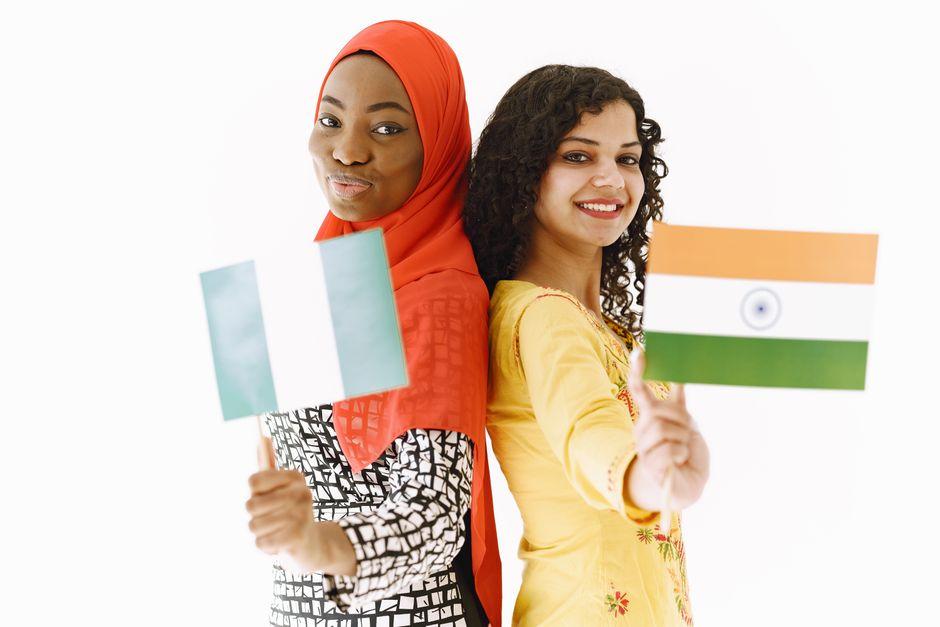
The Everyday Reality of Living Between Two Cultures
For many living between two cultures, everyday life often feels like a continuous balancing act. Take Sara, for example, a second-generation immigrant who grew up celebrating both Thanksgiving dinners with her American side of the family and vibrant Eid gatherings with her parents’ community. On the surface, this duality seems enriching, yet in quieter moments, she wrestles with subtle cultural friction-whether it’s choosing which language to speak at home or feeling the weight of expectations from two different social norms. These small decisions, like which holidays to prioritize or how to navigate differing views on career success, highlight the complexity of managing identity on a daily basis. The tension between cultural pride and the desire for acceptance in a dominant culture can leave individuals feeling fragmented despite their rich backgrounds.
Contrasts between expectation and reality often surface when cultural values clash with personal aspirations. Consider Alex, who was raised to value collectivism and family obligations, yet strives in a Western educational system that rewards individualism and self-promotion. Moments such as choosing whether to prioritize a family event or a critical work meeting become symbolic crossroads that reveal deeper lessons about compromise and self-definition. The journey is full of unexpected insights:
- Expectation: Always prioritizing family as a sign of respect and loyalty.
- Reality: Learning that setting healthy boundaries can enhance relationships rather than harm them.
- Expectation: Assimilation guarantees acceptance.
- Reality: Embracing cultural roots often fosters authentic connections and self-confidence.
| Decision Moment | Challenge | Lesson Learned |
|---|---|---|
| Choosing language at family gatherings | Fear of excluding older relatives or alienating peers | Flexibility and patience promote connection across generations |
| Balancing cultural norms with career ambitions | Pressure to conform vs. personal growth | Redefining success to include cultural identity creates harmony |
These everyday realities underscore that living between two worlds is less about choosing one identity over the other and more about crafting a personal narrative that honors both. It’s a nuanced journey marked by constant learning and adaptation, reminding us that identity is both fluid and deeply personal.
Moments of Conflict and Connection in Dual Identity
Maria grew up celebrating both Thanksgiving dinners in the United States and Lunar New Year gatherings with her Vietnamese family. Yet, she often found herself navigating moments where her dual identity sparked internal conflict – like when she hesitated to speak Vietnamese in a predominantly American environment, fearing judgment, or when relatives in Vietnam expected her to embody traditions that felt distant from her everyday reality. These crossroads illuminate a common tension: striving to honor both heritages can sometimes feel like walking a tightrope between two worlds. Yet, these moments also became pivotal learning experiences, revealing resilience and adaptability as she crafted a personal cultural narrative that wasn’t about choosing one identity over the other but blending them meaningfully.
Consider Ahmed’s experience as another example-born in Germany to Moroccan parents, he faced expectations to preserve his family’s Arabic roots, while also experiencing pressure to assimilate into Western norms at school. A particularly defining moment came during a classroom debate about national loyalty, where Ahmed hesitated between asserting his pride in Moroccan heritage or fitting into the dominant narrative. Later reflection taught him that his dual identity wasn’t an obstacle but a strength enabling him to bridge understanding between classmates of different backgrounds. Moments like these often contrast sharply with the expectation that dual nationals will naturally “choose a side.” Instead, they highlight the rich complexity and nuanced decisions individuals make daily, balancing an array of cultural pressures and personal values.
| Situation | Expectation | Reality | Lesson |
|---|---|---|---|
| Speaking native language in school | Avoid standing out | Embracing heritage builds confidence | Authenticity fosters connection |
| Family holiday traditions | Strict adherence | Fusion of customs creates new meaning | Flexibility in identity is enriching |
| Cultural loyalty debate | Pick one nationality | Dual identity offers unique perspectives | Complexity can be empowering |
- Key takeaway: Moments of tension are natural but reveal opportunities for growth.
- Self-awareness: Recognizing these experiences helps to redefine what identity means.
- Connection: Dual identity often becomes a bridge rather than a barrier.
Learning to Embrace Complexity Through Personal Stories
Consider Mira, born to an Indian mother and British father, raised in Canada. On the surface, her life seemed a seamless blend of cultures-celebrating Diwali with family, Thanksgiving with friends. Yet, beneath these joyful moments was an internal tug-of-war: choosing which identity felt authentically hers. When she first traveled to India alone at 22, she anticipated an effortless connection but instead encountered unexpected questions about her “foreign” mannerisms and English accent. This jarring experience led to a pivotal decision moment-whether to retreat into the comfort of her Canadian life or to lean into this complexity and forge a new, hybrid identity that liberated her from strict cultural definitions. Mira found that embracing these contradictions didn’t dilute her sense of self; it enriched it, offering her empathy for others living between worlds.
Small, everyday choices often crystallize the intricate dance of dual nationality. Take David, who carries both American and Japanese citizenship. At his university graduation, he grappled with whether to wear a Western-style suit or a traditional kimono, symbolizing which culture to present publicly. His initial expectation was that one choice meant committing to one culture over the other. Instead, David learned a valuable lesson in hybridity: combining elements from both-wearing the kimono jacket over a tailored suit-allowed him to own and celebrate his full identity. This blending of traditions isn’t always neat or accepted by all, but it highlights a key insight many dual nationals face: identity is a continual negotiation rather than a fixed point. The journey is less about resolving complexity and more about owning each layer with intention and grace.
When Legal Status Shapes Sense of Belonging
Consider Lina, born in Germany to Turkish parents. Though fluent in German and immersed in local culture, the lack of German citizenship for many years made her feel like an outsider in her own home. Attending local schools and celebrating national holidays couldn’t fully bridge the invisible gap created by legal status. When she was finally naturalized, the subtle shift in how she was perceived-to herself and by others-illustrates a profound reality: legal recognition often serves as a key that unlocks fuller social integration and belonging. It’s not just about a passport; it’s about validation, acceptance, and the ability to fully claim belonging without second-guessing one’s place in the community. For many, the journey toward citizenship is intertwined with moments of doubt, hope, and resilience, as they weigh the benefits and sacrifices their legal identity entails.
- Case Moment: Deciding whether to renounce previous nationality to gain full rights in the new country.
- Lesson: Legal status can either cement or complicate a sense of identity, influencing everything from career opportunities to social connections.
| Expectation | Reality |
|---|---|
| Automatic feeling of belonging upon receiving citizenship | Many still face subtle exclusion or internal conflict about cultural identity |
| Legal status resolves all identity dilemmas | Identity remains layered and complex, influenced by community ties and personal history |
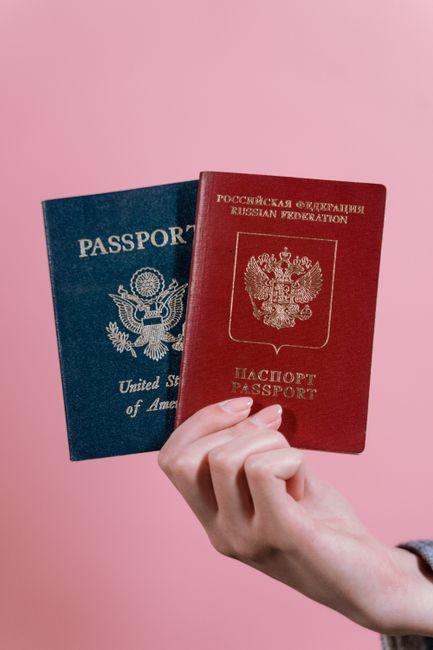
For dual nationals, the landscape grows even more intricate. They often juggle two passports, two cultural sets of expectations, and sometimes competing legal obligations. Take Amir, who was born in Canada to Iranian parents and holds both citizenships. While his Canadian citizenship grants him everyday freedoms and rights, his Iranian citizenship connects him deeply to his familial roots and traditions. Yet, navigating these dual identities isn’t without challenges-especially when laws or societal attitudes in one country contrast sharply with the other. For Amir, key decision points included choosing which citizenship to use for travel during political tensions. This balancing act highlights how the legal status can be both a bridge and a boundary, shaping not only access to rights but also one’s internal map of where they truly belong.
Finding Harmony Beyond Borders and Expectations
Imagine Sara, born in Canada to Lebanese parents, who at 18 faced the delicate dance of choosing which culture to embrace first in her adult life. Family expectations leaned heavily on preserving Lebanese traditions-language, religious practices, even career choices-while her own experiences in Toronto shaped a different set of values and aspirations. In university, she wrestled with moments where her dual identity clashed: attending a Latin dance night with Canadian friends felt liberating, yet a weekend family gathering demanded reverence to customs she’d only feigned interest in. These forks in the road are common for many navigating bicultural lives. The key lesson Sara found was embracing flexibility, understanding that identity is not a fixed destination but a living, evolving dialogue between who others expect you to be and who you’ve chosen to become.
For many, finding harmony beyond borders means redefining success on personal terms rather than inherited scripts. Take Ahmed and Mia, a couple – Ahmed holds Turkish and German nationality, while Mia is Brazilian-American – who deliberately created new family rituals that blended elements from all four cultures. Instead of trying to “pick one” for their children, they developed a calendar that acknowledged diverse holidays, cuisine rotation nights, and storytelling sessions highlighting each heritage’s values. Their approach highlights a practical reality:
- Expectations: A clear-cut cultural identity passed down unaltered.
- Reality: A mosaic formed through active choices and continuous adaptation.
| Before | After |
|---|---|
| Pressure to prioritize one nationality’s traditions exclusively | Integration of multiple heritages in daily life |
| Feeling conflicted by competing loyalties | Embracing duality as enriching, not divisive |
Ultimately, transcending borders and expectations doesn’t erase complexity-it reframes it. The harmony many seek lies not in uniformity but in crafting a meaningful blend that honors all strands of identity.
Closing Remarks
In the delicate dance between two homelands, those who carry dual nationality often find themselves weaving a unique tapestry of belonging and self-discovery. The journey is seldom straightforward-marked by moments of harmony and tension, celebration and questioning. Yet, in embracing the complexities of dual identity, individuals craft narratives that defy borders and enrich the understanding of what it truly means to belong. As the world grows ever more interconnected, bridging these two worlds becomes not just a personal voyage, but a testament to the evolving nature of identity itself.




