
In an increasingly interconnected world, the concept of citizenship has evolved beyond the traditional boundaries of birthplace and heritage. Enter “Citizenship Through Investment” – a modern pathway that offers individuals the unique opportunity to acquire a new nationality by contributing economically to a country. This innovative approach not only opens doors to new horizons but also reshapes the way we think about identity, opportunity, and global mobility. In this article, we delve into the essentials of citizenship through investment, uncovering its benefits, demystifying the application process, and highlighting the top programs shaping this landscape in 2024. Whether you’re a savvy investor or simply curious about this rising trend, join us as we explore how strategic investment can turn the concept of citizenship into a dynamic gateway to the world.
Understanding the Concept and Appeal of Citizenship Through Investment
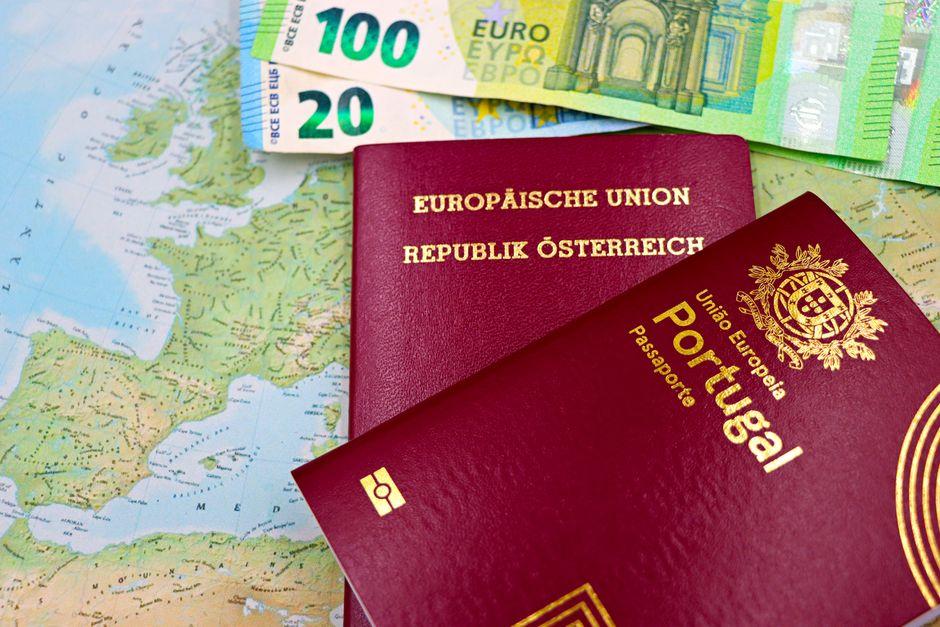
Citizenship through investment is a legal pathway that allows individuals to obtain a second citizenship or passport by making a significant financial contribution to a country’s economy. Unlike traditional naturalization, which often requires years of residency, this process offers expedited citizenship to investors who meet specific criteria such as property purchases, business investments, or government bonds. The appeal lies not only in acquiring a new nationality but also in gaining global mobility, economic diversification, and enhanced personal security. This method is particularly attractive to high-net-worth individuals seeking freedom of travel, better quality of life, tax optimization, and access to international markets or education systems.
The benefits of citizenship through investment extend beyond convenience and wealth management. Commonly sought after by globetrotters, entrepreneurs, and expatriates, these programs offer:
- Visa-free or visa-on-arrival access to over 100 countries
- Dual citizenship options, allowing retention of the original nationality
- Family inclusion, often covering spouses and dependents
- Political and economic stability in the host country
- Streamlined application processes with minimal residency requirements
However, investors should evaluate program transparency, due diligence standards, and long-term benefits before committing, as some schemes may have complex regulations or slower processing times. Comparing programs based on investment types, costs, and legal protections helps ensure the best fit for personal and financial goals.

Weighing the Advantages and Common Concerns of Investor Citizenship
Investor citizenship offers a unique pathway to global mobility, financial diversification, and enhanced personal freedom. The primary benefits include:
- Visa-Free Travel: Access to multiple countries without the need for complicated visa applications.
- Economic Security: Opportunity to diversify assets and protect wealth in stable economies.
- Family Inclusion: Citizenship programs typically cover spouses and dependents, securing opportunities for entire families.
- Tax Optimization: Certain citizenships provide favorable tax regimes, minimizing global tax liabilities.
However, prospective applicants often express concerns around the legitimacy of the programs, the cost versus value, and the complexities involved in due diligence. Common questions include whether the investment truly guarantees citizenship, the timeline for obtaining passports, and potential residency obligations:
| Common Concern | Clarification |
|---|---|
| Do all programs guarantee citizenship after investment? | No. Citizenship through investment programs require strict due diligence and approval processes; an investment does not automatically guarantee citizenship. |
| What is the typical processing time? | Most programs range from 3 to 12 months, depending on the country and completeness of documentation. |
| Are there physical residency requirements? | Many programs have minimal or no residency mandates, but some require short stays or visits to maintain citizenship status. |
| Is the investment refundable? | Typically, investments are non-refundable, especially in real estate or government funds, although some programs offer exit options after a period. |
Understanding these factors helps applicants make informed decisions, balancing the undeniable advantages with realistic expectations and legal considerations.
Navigating the Application Journey From Start to Approval
Embarking on citizenship through investment begins with understanding the step-by-step application process that leads from initial inquiry to official approval. The journey typically starts with selecting the right program based on your financial capability, timeline, and residency preferences. Early stages involve preparing comprehensive documentation, such as valid passports, proof of funds, background checks, and investment plans, which are critical for a smooth review. Most programs require an initial due diligence phase where authorities assess your background to ensure compliance and transparency. Once the investment-ranging from real estate acquisitions to government bonds or business ventures-is validated, the application moves to the final review, often involving interviews or additional verifications.
Understanding the common hurdles can greatly enhance success rates. Delays often surface from incomplete paperwork, inconsistencies in financial declarations, or unforeseen legal issues in the applicant’s background. To mitigate these risks, applicants should work closely with authorized agents and legal experts specializing in citizenship through investment. Programs differ widely in processing times, with some countries offering accelerated pathways (as fast as 3-6 months) while others may take over a year. Below is a concise comparison of typical timelines and key checkpoints for popular programs:
| Program | Investment Type | Average Processing Time | Key Milestones |
|---|---|---|---|
| St. Kitts & Nevis Citizenship | Real Estate / Donation | 3-6 Months | Application & Due Diligence → Investment → Approval & Passport Issuance |
| Malta Individual Investor Program | Donation + Property + Bonds | 12-14 Months | Formal Application → Residency → Investment → Citizenship Approval |
| Turkey Citizenship by Investment | Real Estate / Business Investment | 4-6 Months | Submission → Investment Validation → Interview (if required) → Passport |
Comparing Leading Citizenship Programs Around the World
Citizenship through investment programs vary widely in terms of cost, processing time, residency requirements, and benefits. The most sought-after programs typically balance efficiency with robust global mobility and favorable tax frameworks. Leading programs, such as those offered by Saint Kitts and Nevis, Malta, and Turkey, each present unique advantages. For example, Saint Kitts and Nevis is renowned for its rapid processing time-often under six months-and visa-free access to over 160 countries, including the Schengen Area and the UK. In contrast, Malta’s Individual Investor Programme emphasizes strong EU citizenship benefits but involves higher financial thresholds and longer due diligence processes.
When comparing these top programs, it’s crucial to consider the nature of the investment-whether it’s a direct donation, real estate purchase, or government bond-and the trade-offs regarding residency obligations. Here is a brief overview of key parameters that potential applicants typically evaluate:
| Country | Minimum Investment | Processing Time | Residency Requirement | Visa-Free Travel |
|---|---|---|---|---|
| Saint Kitts and Nevis | From $150,000 (donation) | 4-6 months | None | 160+ countries |
| Malta | €750,000+ (donation + investment) | 12-14 months | 12 months | EU countries + 180+ |
| Turkey | $400,000 (real estate) | 3-6 months | None | 110+ countries |
- Cost Efficiency: Programs like Saint Kitts offer lower entry points, ideal for budget-conscious investors.
- Residency Flexibility: Some countries require no physical presence, whereas others like Malta mandate minimum residency durations, impacting applicants’ lifestyle and tax status.
- Travel Freedom: Visa-free access varies; EU citizenship programs provide superior global mobility but at higher costs and stricter due diligence.
Ultimately, the best citizenship through investment program aligns with individual goals, whether prioritizing fast processing, extensive travel freedom, or integration into a specific region. Selecting a program demands careful evaluation of these factors, often with professional legal and financial advice to navigate regulatory complexities and maximize long-term benefits.
Key Considerations for Choosing the Right Investment Path
- Investment Type and Amount: One of the most critical factors is the nature and scale of the investment required. Options typically include real estate purchases, government bonds, direct business investments, or contributions to a national development fund. Each route varies not only in cost but also in liquidity and risk. Choose a program where the investment aligns with your financial capacity and long-term plans.
- Processing Time and Requirements: Speed and complexity differ significantly across programs. Some countries offer fast-track citizenship within a few months, while others may require several years of residency or due diligence. Understanding documentation requirements, residency obligations, and potential interviews is essential to avoid surprises during the application process.
- Taxation and Legal Considerations: The impact of new citizenship on your global tax liabilities and personal legal status should be carefully evaluated. Certain jurisdictions grant citizenship with minimal tax implications, while others might expose investors to higher obligations. Consulting with international tax advisors can clarify how your investment choice will affect your financial and estate planning.
- Quality of Life and Mobility Benefits: Evaluate the visa-free travel ease, healthcare quality, educational standards, and safety the new citizenship offers. These lifestyle factors often weigh heavily in decisions, especially for families seeking broader global mobility or better living conditions.
| Factor | Typical Impact | What to Ask |
|---|---|---|
| Investment Return | Variable (e.g., real estate may appreciate; donations are non-refundable) | Is the investment refundable or does it offer financial returns? |
| Residency Requirement | None to multiple years | Does the program demand physical presence or permanent residency before citizenship? |
| Due Diligence | Stringent to Standard | What background checks and documentation are mandatory? |
| Visa-Free Access | 50 to 180+ countries | Which countries can you access visa-free with this citizenship? |
Key Takeaways
In a world where borders often define opportunity, citizenship through investment presents a unique pathway to broaden horizons and secure a future imbued with greater freedom and flexibility. As we’ve explored, this gateway combines financial commitment with global mobility, offering a blend of benefits tailored to diverse aspirations. Whether it’s the allure of visa-free travel, enhanced business prospects, or a safe haven for families, these programs continue to evolve, reflecting shifting geopolitical landscapes and economic ambitions in 2024. Ultimately, understanding the nuances-from eligibility criteria to strategic advantages-empowers individuals to make informed decisions in pursuit of their new beginnings. Citizenship through investment is not just a transaction; it’s a thoughtfully navigated journey toward unlocking the doors of possibility.




