
In a world where borders blend with ambition, the promise of a new nationality often feels like the key to uncharted opportunities. Ireland, with its lush landscapes and rich heritage, has emerged as a beacon for those seeking not just a change of scenery, but a pathway to citizenship through investment. Yet, the journey from dream to doorstep is seldom straightforward. Navigating the intricate legal frameworks, financial commitments, and potential pitfalls requires more than just capital-it demands insight, patience, and careful planning. This article explores the evolving landscape of Irish citizenship by investment, illuminating the road ahead for hopeful applicants eager to make Ireland their new home.
Understanding the Promise and Process of Irish Citizenship by Investment
- Understanding the Promise: At first glance, Irish Citizenship by Investment appears straightforward: invest a sizable sum, meet a few criteria, and unlock the doors to one of Europe’s most vibrant and historically rich nations. Take the example of the Garcia family, who hoped this route would secure not only a new passport but also seamless access to education and employment within the EU. Their excitement was palpable, fueled by promises of a smooth transition and the allure of Ireland’s thriving economy. However, as they soon realized, the program’s promise is layered with nuances-timelines that can extend unexpectedly, stringent due diligence processes, and a necessity for genuine economic contribution rather than mere financial injection. This isn’t simply a transaction; it’s a commitment to Ireland’s future and values, which demands thorough preparation and realistic expectations.
- The Process Unpacked: Navigating the pathway, the Garcias encountered key decision points that shaped their journey. First was choosing between direct investment options-whether to place capital in approved projects or to channel funds into philanthropic causes aligned with Ireland’s social priorities. Each choice carried distinct timelines and government scrutiny levels. Next came the rigorous background checks and documentation hurdles, often underestimated by applicants. The lesson learned? Meticulous record-keeping and transparency are non-negotiable. The process is communal and procedural, not transactional. Below is a simplified overview that helped the Garcias-and can help you-visualize the main stages:
Step Key Action Typical Duration Potential Pitfall 1. Initial Application Submit investment proposal and personal documents 1-2 months Incomplete paperwork delays 2. Due Diligence Background checks & financial scrutiny 3-6 months Discovery of issues halts processing 3. Investment Execution Transfer funds into approved avenues Varies Non-compliance risks rejection 4. Approval & Citizenship Grant Final government decision and issuance 2-4 months Unmet conditions cause delays Through the lens of real experiences, it becomes clear that while the promise is enticing, success rests on aligning expectations with procedure-and respecting the gravity with which Ireland treats its new citizens. This journey challenges applicants to not only invest capital but also time, clarity, and respect for process, ensuring that citizenship truly reflects shared values rather than swift convenience.
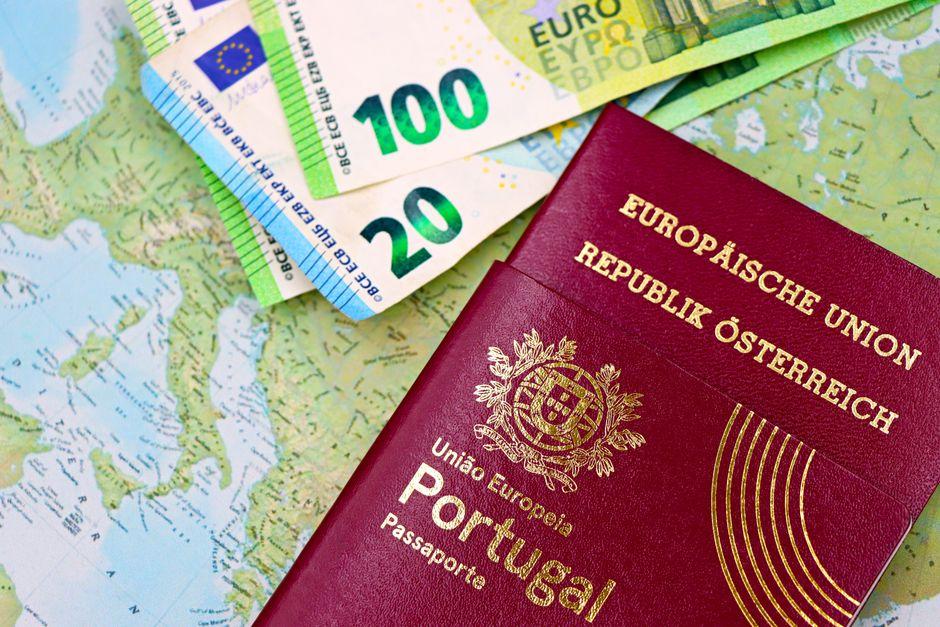
Common Challenges That Test Aspirants on Their Journey
- Misjudging Financial Commitments: Many hopeful applicants step into the Irish citizenship by investment process with a simplified view of the financial requirements. Take the example of David, a tech entrepreneur from Canada, who initially budgeted solely for the investment threshold. What he hadn’t anticipated were additional costs such as legal fees, due diligence charges, and unexpected tax implications. This oversight not only stretched his finances thin but also delayed his application timeline. The lesson? A thorough financial plan that includes every possible expense is essential before committing.
- Complex Documentation and Due Diligence: Another common hurdle is the overwhelming nature of the paperwork. Consider Maria, an investor from Brazil, who was caught off guard by the exhaustive background checks and the detailed documentation needed-from proof of funds to personal and professional histories spanning years. Each missing or inadequate document meant repeated delays, proving how crucial meticulous preparation is. Aspirants must move beyond cursory checks and embrace a mindset of precision and patience to navigate this administrative labyrinth successfully.
| Challenge | Common Expectation | Reality & Lesson |
|---|---|---|
| Financial Planning | Investment amount is final cost | Additional fees and taxes extend costs; budget comprehensively |
| Documentation | Basic paperwork suffices | Extensive due diligence requires detailed, precise documentation |
Turning Points That Shape Successful Applications
- Choosing the Right Investment Vehicle: One pivotal moment in any Irish citizenship by investment journey is selecting the appropriate investment pathway. Consider the case of a couple from Asia who initially opted for a property investment, drawn by its tangible nature. They soon realized the process entailed far longer due diligence and market fluctuations they hadn’t anticipated, delaying their citizenship approval. Meanwhile, a tech entrepreneur chose the Enterprise Investment Scheme, which, although requiring careful vetting of business plans and risk, aligned better with his professional background and yielded a smoother path through statutory requirements. This decision point underscores the importance of aligning investment choice with one’s personal circumstances and risk appetite rather than defaulting to perceived “easy” options.
- Managing Documentation and Expectations: Another significant turning point often arises with documentation-what applicants thought would be straightforward can become a labyrinth. For example, a retired expatriate expected a quick assessment after submitting standard financial proofs but was surprised when additional evidence of source of funds was required, extending the timeline by months. Lessons from this reveal that expectations must be managed with ongoing communication and preparedness to deepen documentation beyond what initial instructions suggest. Keeping a checklist and working closely with experienced legal advisors helps applicants pre-empt common pitfalls. The contrast here is clear: those who anticipate iterative requests and act promptly rarely face protracted delays, while reactive applicants find their timeline stretched unpredictably.
| Common Turning Point | Expectation | Reality / Result | Lesson Learned |
|---|---|---|---|
| Investment Vehicle Selection | Choose a popular option for ease | Unanticipated due diligence and delays | Align investment type with individual profile and risk tolerance |
| Document Submission | Standard proof sufficient | Multiple rounds of supplementary requests | Prepare for detailed scrutiny; work with legal experts |
Insights Drawn from Real Experiences and Expert Advice
- Case Study Insight: One family’s journey began with high hopes after investing in a prime Dublin property, expecting a swift path to citizenship. However, they encountered unexpected delays due to stringent due diligence checks on source of funds. Their experience highlighted the importance of early and thorough financial documentation preparation, a factor often underestimated by applicants. The family eventually secured citizenship but advises future applicants to engage legal experts from the outset to navigate Ireland’s complex regulatory landscape efficiently.
- Expert Advice on Investment Diversification: Several immigration consultants recommend not putting “all eggs in one basket” by combining real estate investment with entrepreneurial activities or government bonds. This strategy can accelerate application approval and mitigate risks if one investment avenue faces regulatory changes. A seasoned advisor shared that clients who diversified their investments witnessed fewer obstacles when authorities reassessed portfolio eligibility, underscoring the value of adaptability in this evolving program.
| Expectation | Reality | Lesson Learned |
|---|---|---|
| Smooth and fast approval within 12 months | Extended processing times up to 18 months due to background checks | Start the process early, maintain transparency with authorities, and prepare for patience |
| Investment in a single commercial property would suffice | Preference for projects that demonstrate clear economic impact and job creation | Choose investments aligned with the program’s economic criteria, not just personal preference |
Evaluating the Long Term Impact Beyond the Citizenship Award
When John and Ayesha finally held their Irish citizenship certificates, the relief was palpable. This milestone, however, was only the beginning of a complex journey that many overlook. Beyond the initial celebration, the long-term impact of citizenship by investment hinges on integrating into Ireland’s social and economic fabric, rather than merely possessing legal status. For John, having citizenship opened doors to European markets and educational opportunities for his children, but sustaining these benefits required ongoing engagement-understanding local tax obligations, navigating property ownership laws, and building community ties. In contrast, some investors, drawn principally by tax incentives, found themselves unprepared for the responsibilities that citizenship entailed, leading to frustration and a diminished return on their ‘investment.’
Reflecting on a broader spectrum of cases reveals key decision points that define success after the award:
- Cultural integration vs. transactional citizenship: Those who immersed themselves in Irish culture and made Ireland a genuine home reaped smoother transitions and richer experiences.
- Financial planning beyond acquisition: Investors who engaged local advisors early avoided pitfalls related to inheritance laws or unexpected tax liabilities.
- Community involvement: Active participation in civic life helped some families transform citizenship from a document into a meaningful identity.
Here is a simple comparison of expectations versus realities commonly reported:
| Expectation | Reality |
|---|---|
| Instant economic advantages without ongoing effort | Benefits require continual financial and legal diligence |
| Citizenship as a passive status | Active cultural and social adjustment is necessary for full integration |
| Ease of global mobility | Expanded travel options exist but must be balanced with residency requirements |
Ultimately, evaluating impact beyond the award reveals that citizenship by investment is not merely a transactional achievement but a long-term commitment-one that calls for thoughtful planning, realistic expectations, and a willingness to fully engage with Ireland’s vibrant society.
To Conclude
As the journey from aspiration to acquisition unfolds, navigating the path to Irish citizenship by investment reveals a landscape rich with opportunity yet dotted with challenges. From the initial spark of a dream to the moment that new keys turn in a familiar door, each step demands careful planning, informed decisions, and a clear understanding of the legal and cultural terrain. While the promise of Ireland’s green shores offers much allure, crossing the threshold requires more than capital-it calls for patience, due diligence, and an appreciation of the nuances that shape this unique route. Ultimately, those who traverse this path do more than secure a passport; they embark on a new chapter, weaving their own story into the vibrant fabric of Ireland’s future.




