
In an increasingly interconnected world, the concept of citizenship has evolved beyond the borders of birthplace and heritage. Citizenship by investment programs offer a unique pathway to global mobility, financial flexibility, and new opportunities. But how exactly does this process work? In this article, we unravel the mechanics behind citizenship by investment, exploring its benefits, the diverse options available, and the critical factors applicants must consider. Whether you’re an entrepreneur, a global citizen, or simply curious, understanding this modern approach to acquiring citizenship can open doors to a world of possibilities.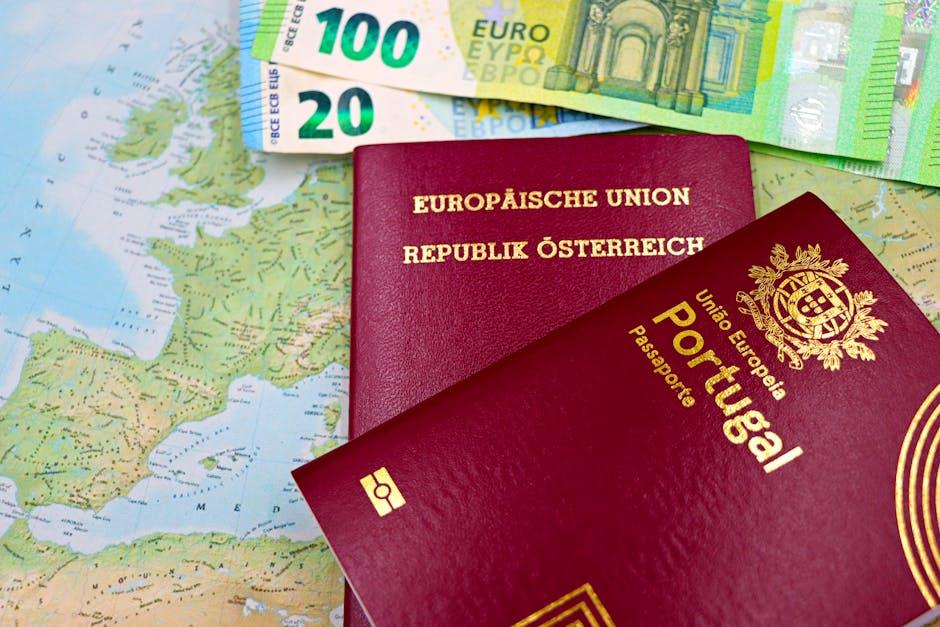
Understanding the Basics of Citizenship by Investment and How It Operates
Citizenship by Investment (CBI) is a legal process through which individuals can acquire a new nationality by making a significant economic contribution to a host country. Typically, applicants must meet specific financial requirements, such as a direct investment in real estate, government bonds, business ventures, or a non-refundable donation to a national fund. Unlike traditional naturalization, CBI programs often streamline or bypass lengthy residency prerequisites, providing a faster pathway to citizenship and a second passport. These programs are designed to attract foreign capital and expertise, thereby bolstering the nation’s economy while granting investors benefits such as visa-free travel, tax advantages, and enhanced personal security.
Understanding how it operates is crucial for potential applicants. Most countries offering CBI have a set of strict due diligence procedures to prevent fraud and security risks, ensuring only eligible and reputable candidates are approved. The typical process involves submitting detailed documentation, passing background checks, completing the required investment, and awaiting official approval, which can range from a few months to over a year. Common issues applicants face include varying processing times, changes in legislation, and limitations on dual citizenship. When comparing programs, factors such as investment thresholds, processing speed, global mobility, and living requirements play important roles in decision-making. To maximize the benefits and mitigate risks, it’s recommended to work with experienced legal advisers who specialize in citizenship law and investment immigration.
Exploring the Advantages and Potential Challenges of Investor Citizenship
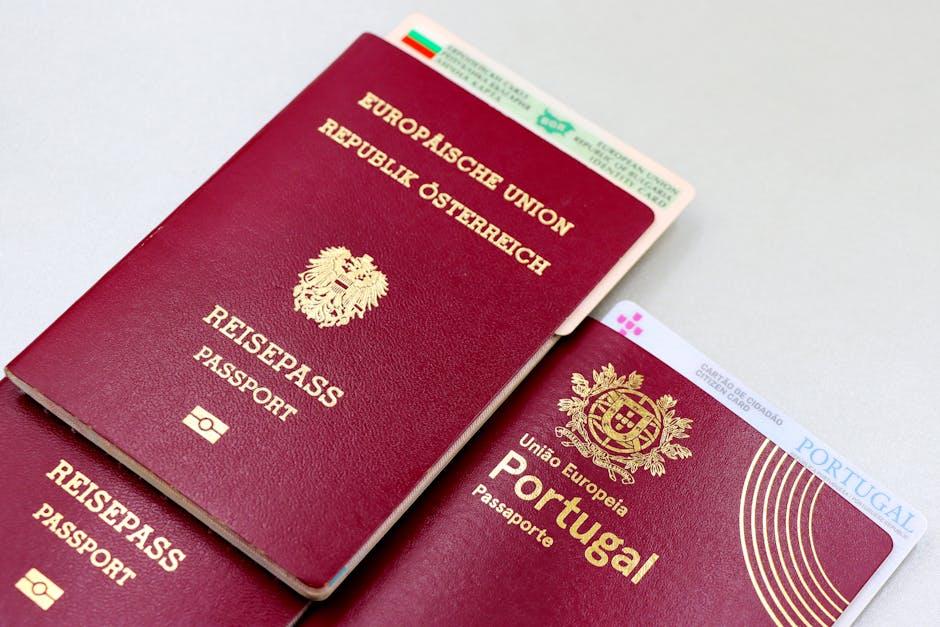
Investor citizenship offers a strategic pathway to obtaining a second passport through financial contributions, presenting several compelling advantages. Key benefits include:
- Enhanced global mobility: Access to visa-free or visa-on-arrival travel across numerous countries, simplifying international business and leisure.
- Economic diversification: Opportunity to invest in stable economies, often with preferential tax regimes or business-friendly environments.
- Family inclusion: Many programs allow the principal investor to include immediate family members, securing broader benefits for dependents.
- Time efficiency: Faster processing timelines compared to traditional naturalization, enabling quicker citizenship acquisition.
- Security and lifestyle improvements: Access to improved healthcare, education, and legal protections in the host country.
Despite these advantages, investor citizenship comes with potential challenges that applicants should carefully evaluate:
- High upfront costs: Significant financial thresholds, including donations, real estate purchases, or government bonds, can be prohibitive.
- Due diligence scrutiny: Comprehensive background checks may lead to application delays or denials if any inconsistencies arise.
- Residency requirements: Some countries maintain minimum physical presence rules, limiting flexibility despite quick citizenship grants.
- Program stability risks: Changes in government policies or economic conditions can affect program terms or passport recognition.
- Reputation and perception: Certain investor citizenships may be viewed skeptically internationally, impacting personal or business dealings.
| Aspect | Typical Advantage | Common Challenge |
|---|---|---|
| Cost | One-time investment grants citizenship | High financial commitment required |
| Processing Time | Rapid citizenship acquisition (months) | Lengthy background checks may cause delays |
| Mobility | Access to a broad visa-free travel network | Limited travel advantages in some cases |
Choosing the Right Program The Factors That Should Guide Your Decision
Choosing the right citizenship by investment program requires careful evaluation of several key factors tailored to your personal goals, financial situation, and long-term plans. Eligibility requirements such as minimum investment thresholds, residency obligations, and background checks vary significantly between countries and can affect your ability to qualify. For instance, some programs demand physical residency for a set period, while others offer purely economic pathways with no stay requirements. Additionally, consider the type of investment accepted-whether it’s real estate, government bonds, or a direct donation-as this impacts both your financial exposure and potential returns. Comparing the processing times and reliability of each program helps manage expectations and ensures your application aligns with urgent timelines or planned ventures abroad.
Beyond financial and procedural elements, the benefits attached to the citizenship often dictate the best program for you. Look for access to visa-free travel, favorable tax regimes, dual citizenship allowance, and quality of life indicators like healthcare and education. Practical concerns such as the reputation of the granting country, political stability, and future geopolitical risks should also influence your decision. To assist in making an informed choice, here’s a quick reference of common criteria that guide most investors:
- Investment Amount: Minimum capital required to qualify.
- Residency Requirements: Duration and nature of stay obligations.
- Visa-Free Access: Number of countries accessible without visa.
- Processing Time: Average duration from application to citizenship.
- Tax Implications: Impact on worldwide income and estate planning.
- Reputation and Stability: Political transparency and economic security.
| Program | Investment Type | Residency | Visa-Free Countries | Processing Time |
|---|---|---|---|---|
| Malta | Donation + Property | 12 months | 187+ | 12-14 months |
| St. Kitts & Nevis | Donation or Real Estate | None | 156+ | 3-6 months |
| Turkey | Real Estate | None | 110+ | 6-9 months |
Common Misconceptions About Buying Citizenship Cleared Up
Buying citizenship often sparks confusion, leading to several widespread misconceptions that can cloud decision-making. One common myth is that citizenship by investment means “buying a passport without any background checks.” In reality, most countries enforcing these programs conduct thorough due diligence, including criminal record checks and financial background verifications, to ensure applicants meet strict eligibility criteria. Another misunderstanding is that this process grants immediate citizenship; however, some programs require applicants to fulfill residency requirements or wait for application approval timelines, which can vary significantly depending on the country.
Many people assume that all citizenship by investment options offer the same benefits, but differences in visas, tax policies, and travel freedoms make certain options far more advantageous. For example, some countries provide visa-free or visa-on-arrival access to 150+ destinations, while others have more limited mobility benefits. Additionally, not all investment routes are equal-options typically include real estate, government bonds, or direct donations, each with distinct financial commitments and implications. Selecting the right program requires careful comparison of:
- Investment types and minimum amounts
- Residency and physical presence obligations
- Processing times and due diligence rigor
- Post-citizenship benefits like taxation and business opportunities
| Misconception | Reality |
|---|---|
| Instant citizenship with no checks | Thorough vetting ensures applicants meet legal and financial criteria |
| All programs yield similar travel freedoms | Visa-free access varies widely; research destinations carefully |
| No ongoing obligations after investment | Some countries require residency or renewals; understanding terms is essential |
Practical Tips for Navigating the Application Process Successfully
- Thorough Document Preparation: One of the most common hurdles in citizenship by investment applications is incomplete or improperly organized documentation. Ensure all required documents-such as proof of identity, financial statements, and police clearances-are authentic, up-to-date, and translated if necessary. Preparing these accurately from the start can drastically reduce delays and rejections. It’s advisable to compile a detailed checklist based on the specific country’s requirements and consult with a legal expert who specializes in that jurisdiction to avoid common pitfalls.
- Understanding Financial Commitments and Timing: Citizenship by investment programs vary widely in terms of minimum investment amounts, processing times, and additional fees like due diligence costs or government charges. Compare these factors carefully to select the option that aligns with your financial capacity and timeline goals. For example, programs like St. Kitts and Nevis boast shorter processing windows (around 3-6 months) compared to slower options that may take over a year. Staying informed about these timelines helps you plan your relocation or business arrangements more effectively.
| Common Application Stage | Key Considerations | Pro Tips |
|---|---|---|
| Initial Eligibility Assessment | Review financial thresholds and residency requirements | Use a pre-application consultation to confirm eligibility early |
| Document Submission | Ensure completeness and legal authenticity | Engage certified translators or legal verifiers if needed |
| Due Diligence Process | Prepare for background checks on finances and reputation | Disclose all relevant financial and legal info upfront to avoid surprises |
| Final Approval and Passport Issuance | Confirm timelines and additional procedural steps | Maintain contact with program authorities and service providers |
In Conclusion
Navigating the world of citizenship by investment reveals a fascinating blend of opportunity and strategy. Whether driven by the allure of global mobility, economic advantages, or personal security, understanding the benefits, available options, and important considerations is essential. As this pathway continues to evolve, prospective investors are empowered to make informed decisions that align with their goals and values. Ultimately, citizenship by investment is more than a financial transaction-it’s a gateway to new possibilities and horizons, inviting individuals to thoughtfully explore what it truly means to call a place home.




