
In an increasingly interconnected world, the concept of citizenship is evolving beyond the boundaries of birthright or heritage. Citizenship through investment offers a unique pathway-one that transforms financial commitment into a global key, unlocking new opportunities for travel, business, and lifestyle. But what exactly does this process entail, and how can it open doors to a world of possibilities? This article explores the essentials of obtaining citizenship through investment, shedding light on how this modern approach is reshaping the way individuals navigate borders and embrace a broader sense of belonging.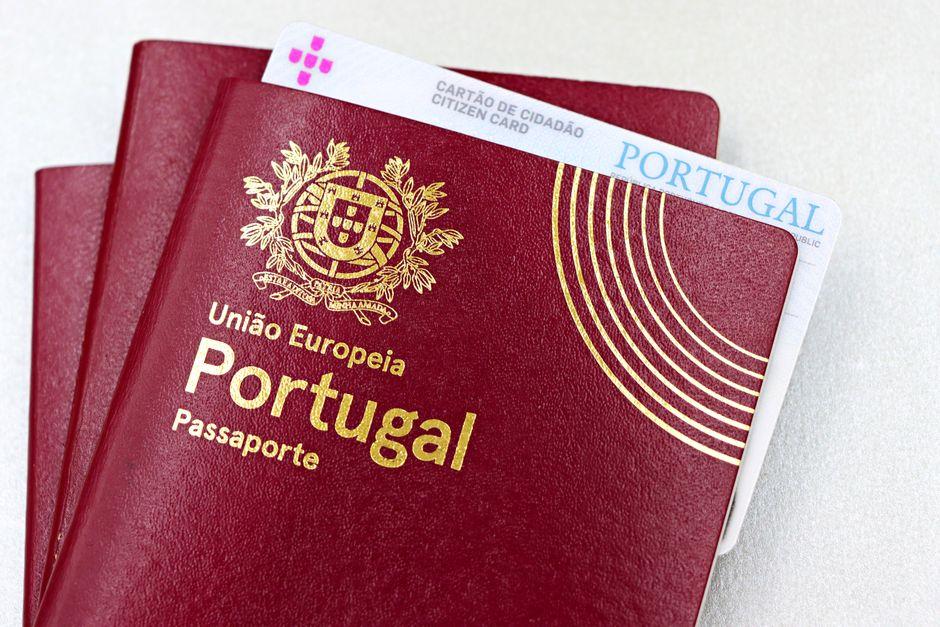
Exploring the Basics of Citizenship Through Investment
Citizenship through investment is a legal process allowing individuals to obtain a new nationality by making a significant financial contribution to a country’s economy. Typically, governments offer these programs to attract foreign capital, boost economic development, and encourage business growth. The investment can take various forms, including real estate purchases, direct government bonds, or contributions to a national development fund. Understanding the core requirements-such as minimum investment amounts, residency conditions, and application timelines-is essential for prospective investors considering this pathway. Unlike traditional naturalization, these programs often prioritize economic input over lengthy residency, making citizenship acquisition faster and more streamlined.
Key benefits of citizenship through investment include enhanced global mobility, access to broader business opportunities, and security diversification for families. However, navigating the process requires awareness of potential pitfalls such as fluctuating program costs, varying due diligence standards, and possible changes in legislation. Comparing popular programs-like those in the Caribbean, Europe, or Asia-can help identify the best fit based on factors like visa-free travel, tax advantages, and investment returns. For a clearer picture, consider the following table summarizing common investment options and their typical thresholds:
| Investment Type | Typical Minimum Amount | Common Countries Offering |
|---|---|---|
| Real Estate Purchase | $200,000 – $500,000 | Caribbean, Turkey, Greece |
| Direct Contribution to Government Fund | $100,000 – $250,000 | Dominica, St. Kitts & Nevis, Vanuatu |
| Business Investment/Startup Capital | $500,000+ | Portugal, Malta, Austria |
- Due diligence: Expect thorough background checks to ensure credibility and legality.
- Residency requirements: Some countries require minimal physical presence, while others have none.
- Timeframe: Processing times range from a few months to over a year depending on the program.
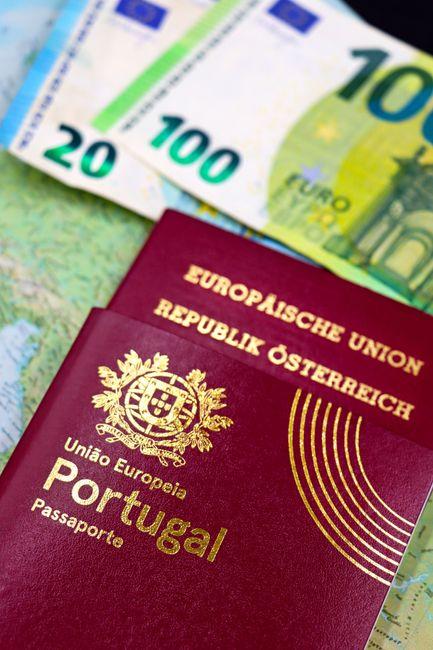
Unlocking Opportunities With a Second Passport
goes beyond simple travel convenience. By obtaining citizenship through investment, individuals gain access to enhanced global mobility, financial diversification, and improved personal security. A second passport often means visa-free or visa-on-arrival access to a wide network of countries, enabling smoother business expansion, global education prospects, and hassle-free tourism. Additionally, it offers potential tax advantages, the ability to open international bank accounts more easily, and a safeguard against political or economic instability in one’s home country.
When considering a second passport, it’s essential to compare popular citizenship-by-investment programs on parameters like investment size, processing time, and residency requirements. For example:
| Country | Minimum Investment | Processing Time | Residency Requirement |
|---|---|---|---|
| Dominica | $100,000 (donation) | 3-6 months | None |
| Malta | €600,000 (contribution + investment) | 12-18 months | 12 months residency |
| St. Kitts & Nevis | $150,000 (donation) | 3-6 months | None |
By unlocking these tangible benefits, a second passport becomes a strategic asset for those seeking flexibility in their professional and personal lives. It’s recommended to work with reputable legal advisors who understand the nuances of each program, ensuring compliance and maximizing the advantages offered by citizenship through investment.
Weighing the Advantages and Challenges of Investment Citizenship
Investment citizenship offers a unique pathway to global mobility, economic opportunity, and enhanced personal security by granting citizenship through financial contribution rather than traditional naturalization. Some of the most attractive advantages include visa-free travel to numerous countries, access to international business markets, and potential tax optimization. For instance, many investment citizenship programs enable holders to enter crucial economic hubs without complex visa procedures, facilitating smoother global transactions and lifestyle flexibility. Furthermore, these programs often deliver a faster route to acquiring a second passport compared to standard residency or citizenship processes, sometimes within months.
However, the path to citizenship via investment is not without its challenges. Prospective applicants need to carefully assess eligibility requirements, investment minimums, due diligence procedures, and the risk of policy changes affecting their status. High upfront costs can be a significant hurdle, typically involving a non-refundable contribution or expensive real estate purchases. In addition, some countries impose stringent background checks that may disqualify individuals with certain financial or legal histories. To aid in decision-making, the table below outlines a concise comparison of typical benefits and challenges found in most popular investment citizenship programs:
| Advantages | Challenges |
|---|---|
| Visa-free or visa-on-arrival travel to 100+ countries | High financial investment requirements (€100,000 to €2 million+) |
| Expedited citizenship process (6-12 months) | Strict due diligence and background checks |
| Access to favorable tax regimes and business environments | Variable investment risks tied to real estate or government bonds |
| Benefits extend to immediate family members | Policies may change, affecting program stability |
For those considering investment citizenship, it is advisable to engage expert legal and financial advisors who specialize in international immigration. This ensures a tailored approach aligned with personal goals, risk tolerance, and long-term plans. Ultimately, understanding both the potent advantages and inherent obstacles of investment citizenship empowers candidates to make informed, strategic decisions that truly open global doors.
Choosing the Right Program for Your Global Mobility Goals
Choosing the right citizenship through investment program is essential to align with your specific global mobility goals. Programs vary widely in terms of investment requirements, processing times, visa-free travel benefits, and residency conditions. For instance, while some countries offer rapid citizenship with relatively modest financial commitments, others may require substantial investments but provide broader access to global markets and travel freedom. Key considerations should include:
- Investment amount and type: Real estate, government bonds, or business development options differ by program and impact your liquidity.
- Processing time: Depending on urgency, programs can range from a few months to several years.
- Visa-free travel access: The strength of the passport varies, influencing global mobility for business or leisure.
- Residency obligations: Some countries require physical presence, while others allow citizenship without it.
To simplify decision-making, compare popular programs based on these parameters:
| Country | Minimum Investment | Processing Time | Visa-Free Destinations | Residency Requirement |
|---|---|---|---|---|
| Saint Kitts & Nevis | $150,000 (donation) | 4-6 months | 160+ | None |
| Malta | €600,000 (contribution + property) | 12-18 months | 185+ | 12 months residency |
| Portugal | €280,000 (real estate) | 18-24 months | 185+ | 7-day annual stay |
Selecting the right program ultimately depends on balancing investment capacity with mobility ambitions. Consulting with legal and financial experts who specialize in global citizenship can help you navigate regulatory nuances and optimize benefits aligned with your long-term vision.
Common Misconceptions About Citizenship Through Investment Explained
Citizenship through investment often faces misconceptions that can cloud informed decision-making. One common misunderstanding is that it guarantees immediate and unrestricted passport access worldwide. While many programs offer powerful passports that facilitate visa-free or visa-on-arrival travel to numerous countries, the actual travel freedom depends on the specific citizenship obtained and international diplomatic relations. Another widespread myth is that this process is only for the ultra-wealthy or involves complex, lengthy bureaucratic procedures. In reality, several programs cater to a range of investment thresholds and have streamlined application processes that can complete in just a few months. Prospective investors should also be aware that not all programs provide the same benefits-some focus more on tax advantages, others on quick processing or confidential requirements.
- Misconception: Citizenship guarantees visa-free entry to all countries.
Reality: Visa policies vary; some nations may still require visas. - Misconception: The process takes years and is overly complicated.
Reality: Many programs offer fast-track options within 3 to 6 months. - Misconception: Only extremely wealthy individuals qualify.
Reality: Investment options differ widely, with some programs requiring moderate financial commitments.
| Common Misconception | Clarification |
|---|---|
| Citizenship confers instant permanent residency worldwide | Residency rights and duration depend on each country’s laws and agreements |
| All programs have the same costs and requirements | Investment amounts, due diligence, and benefits vary significantly per program |
Insights and Conclusions
As the world grows ever more interconnected, citizenship through investment stands as a bridge to untold opportunities-unlocking not just new passports, but fresh horizons for lifestyle, business, and security. While the path may require careful consideration and due diligence, the potential rewards paint a compelling picture of global mobility and access. Ultimately, understanding the intricacies of these programs empowers you to make informed choices that align with your ambitions, opening doors to a world without borders. Whether for freedom of travel, economic advantage, or a new beginning, citizenship through investment offers a transformative key-one that invites you to explore the globe on your own terms.




