
In an increasingly interconnected world, the concept of identity has taken on new dimensions, weaving together threads from diverse cultures, histories, and national ties. For millions, holding dual citizenship is more than a legal status-it is a lived experience of balancing two worlds simultaneously. This unique position offers not only expanded opportunities but also intricate challenges that shape personal journeys in profound ways. “Living Between Worlds: Navigating the Complex Journeys of Dual Citizenship” delves into the multifaceted realities of those who straddle borders, exploring how they reconcile belonging, responsibility, and identity in an ever-shifting global landscape.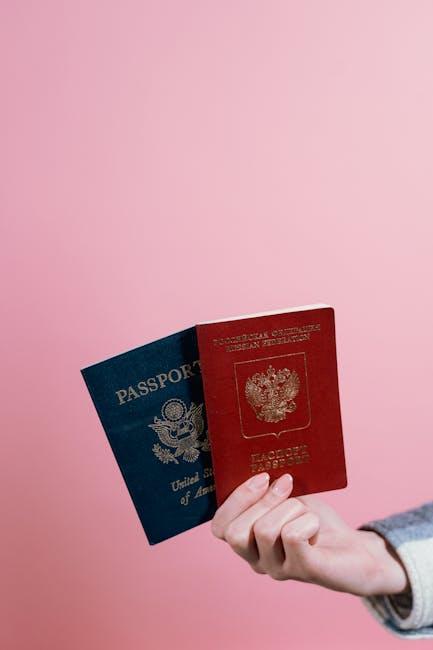
Roots in Two Places and the Search for Belonging
For many dual citizens, the feeling of belonging can be as complex as their paperwork. Take Sara, for example, who was born in Canada to Irish parents. Growing up, she celebrated St. Patrick’s Day with the same enthusiasm as Canada Day, but when she moved to Dublin for work, she quickly realized that cultural nuances went beyond festivals and familiar food. Despite having Irish citizenship through her parents, locals often viewed her as “the Canadian girl,” while her Canadian friends would joke about her “European attitude.” Sara found herself constantly navigating a delicate balance-embracing her roots in two places yet never feeling fully anchored in either. It’s in these moments that dual citizenship transcends legal status and becomes a deeply personal journey about identity and acceptance.
Deciding where to call home can unfold in surprising ways. Consider a family like the Alvarezes, who lived between the U.S. and Mexico. The parents hoped their dual citizenship would provide options for their children’s education and future. However, when the youngest, Carlos, chose to attend college in the U.S., it sparked unexpected emotions at home-a mix of pride, loss, and a subtle worry about drifting apart. The family learned that dual citizenship often means negotiating emotional landscapes as much as logistical advantages. What initially seemed like a seamless benefit revealed the nuanced reality that “home” is not always a fixed place but a mosaic of experiences, expectations, and evolving connections.
| Challenge | Expectation | Reality |
|---|---|---|
| Feeling fully accepted in both countries | Seamless dual identity | Often viewed as “outsider” in each |
| Educational and career flexibility | Expanding opportunities without sacrifice | Pros and cons involving emotional and physical distances |
- Lesson: Dual citizenship shapes identity as a dynamic interplay rather than a fixed state.
- Insight: Acceptance often requires navigating expectations and redefining what “home” means personally.
Balancing Legalities and Emotional Loyalties in Everyday Life
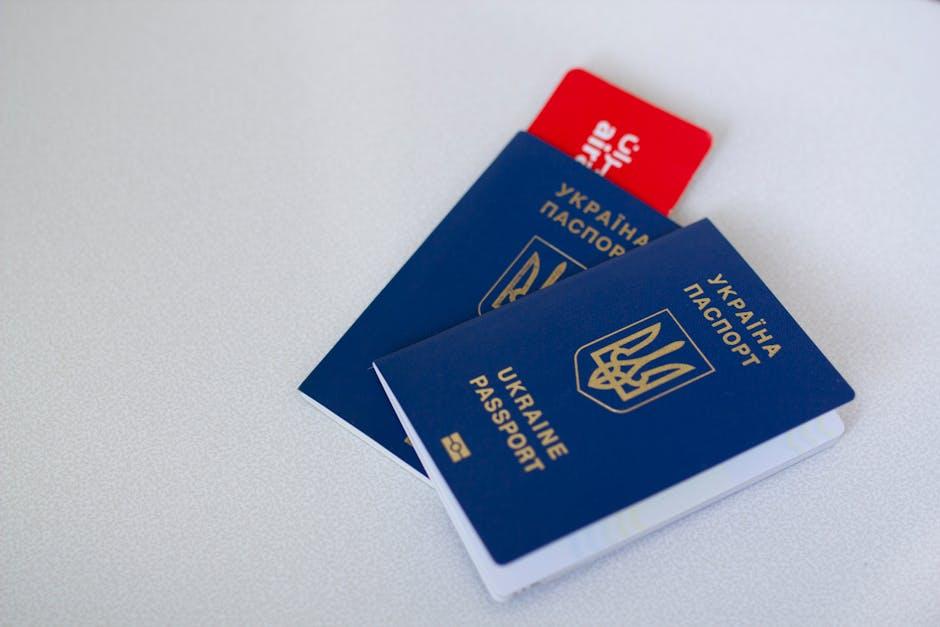
Maria’s mornings often began with more than just a cup of coffee; they started with a mental balancing act between her legal obligations and her emotional ties. As a dual citizen of Italy and Canada, she found herself navigating how to honor both countries in subtle, daily ways-from choosing where to file her taxes to deciding which country’s news to follow more closely. One pivotal moment came when she was offered a job in Canada that required her to spend extended periods away from her elderly parents in Italy. The legal ease of working abroad clashed deeply with her emotional loyalty to family. Maria’s decision forced her to weigh the tangible benefits of stronger career opportunities against the intangible cost of emotional distance, illuminating the ongoing negotiation dual citizens face when law and heart pull in different directions.
- Legal Consideration: Tax obligations and residency requirements can force tough decisions about where to establish a formal home.
- Emotional Loyalty: Family traditions, community ties, and cultural practices often pull individuals toward one nationality over the other.
| Situation | Expectation | Reality | Lesson |
|---|---|---|---|
| Visiting relatives in Homeland | Feels like returning “home” | Emotional distance due to changed family dynamics | “Home” is not just a place but a continuous process of relationship building |
| Complying with dual tax systems | Simple filing, straightforward process | Complex paperwork and occasional legal advice needed | Professional guidance is essential to avoid pitfalls |
Jamal’s story echoes these challenges from a different angle. Born in the U.S. but raised in Nigeria, he returned to America as a dual citizen, expecting seamless acceptance into both worlds. Instead, he faced subtle but real cultural dissonance-struggling to align his legal status with the emotional reality of not feeling fully “at home” in either country. His attempts to fulfill civic duties like voting were infused with questions about which community’s needs he truly represented. Jamal’s journey underscores the often unseen tension where legal rights may exist, but emotional loyalties are fluid and evolve over time, reminding us that dual citizenship is not just a matter of passports but a complex dance of identity and belonging.
When Borders Blur The Impact on Identity and Relationships
Maria, who was born and raised in Brazil but holds Italian citizenship through her grandparents, often finds herself caught between two worlds-not just geographically, but emotionally and culturally. When invited to family gatherings in São Paulo, she embraces the warmth and spontaneity familiar to her childhood. Yet, during extended stays in Rome, she navigates the structured social rituals that shape her European identity. These overlapping cultural scripts sometimes spark internal tension, magnified during pivotal moments like deciding where to raise her children or which holidays to prioritize. In these moments, Maria learns that identity is rarely a fixed point but a fluid negotiation: embracing dual citizenship does not mean splitting oneself, but rather weaving diverse threads into a unique, personal narrative.
This blurring of borders extends beyond self-perception into relationships, too. Consider Amir, who grew up splitting his time between Canada and Lebanon. His dual citizenship opened opportunities but created expectations within his family and local communities that at times felt contradictory. For example, when planning his wedding, cultural assumptions from each side of his identity collided-some relatives expecting a traditional Lebanese ceremony, others a more casual Canadian celebration. Navigating these pressures required difficult conversations and mutual compromises that ultimately enriched their shared experience. What Amir’s story highlights is that, while dual citizenship can complicate relationship dynamics, it also offers a powerful chance to build bridges of understanding across cultures, fostering empathy in both personal and community spheres.
| Aspect | Challenge | Lesson Learned |
|---|---|---|
| Identity Shifts | Feeling “too foreign” in each homeland | Embrace a hybrid identity without forcing full assimilation |
| Family Expectations | Contradictory cultural norms causing tension | Open dialogue creates space for multiple traditions |
| Social Integration | Navigating different societal values | Adaptability enhances cross-cultural competence |
Unexpected Challenges That Change Perspectives on Home
When Maya moved between her dual homes in Brazil and Portugal, she expected to feel a seamless connection to both places. Instead, she encountered moments that made her question where she truly belonged. For instance, during a routine visit to Portugal, a bureaucratic hiccup involving health insurance coverage highlighted how unrelated systems can complicate what should feel like simple, familiar territory. This stark contrast to her expectations-where language and ancestry suggested belonging-revealed the hidden layers of navigating two legal frameworks. Decisions around healthcare, taxation, and even voting often forced Maya into a liminal space, where she had to carefully weigh reliance on one nationality’s system over the other, ultimately reshaping her understanding that “home” is seldom a static concept, but a dynamic negotiation between identity and practical realities.
Similarly, David’s journey living between his American and Canadian citizenships exposed subtler, emotional challenges. Attending family gatherings in the U.S., he anticipated an effortless ease with cultural customs passed down through generations. Instead, he found himself caught between contrasting values-where his Canadian upbringing emphasized politeness and collective wellbeing, American conversations leaned into individualism and debate. This created unexpected friction, prompting David to recalibrate not only how he interacted with extended family but how he defined belonging within his multiple identities. The lessons here-often unfolding in quiet, unguarded moments-underscore that dual citizenship can illuminate the complex choreography required to bridge different worlds, reminding us that the heart’s geography is rarely mapped by passports alone.
| Challenge | Expectation | Reality | Lesson Learned |
|---|---|---|---|
| Healthcare coverage clash | Smooth medical access in both countries | Complex insurance eligibility and paperwork | Legal frameworks impact personal security beyond identity |
| Cultural expectations at family events | Comfort and ease in language and customs | Subtle value differences sparking misunderstandings | Belonging is a negotiation of shared values |
Finding Harmony Through Shared Stories and Personal Growth
When Maria first moved between her two countries, she struggled with a sense of loss, feeling as though she belonged fully to neither place. Yet, it was through sharing stories with others in similar situations that she began to uncover a profound connection: the universal human experience of navigating dual identities. During an informal meet-up of dual citizens, she listened as others recounted moments of cultural clash, identity confusion, and unexpected joy. These shared narratives became a mirror and a map-reflecting her own challenges and illuminating the paths others took toward balance. For Maria, these conversations were not just therapeutic but transformational, often ending with collective insights like the importance of embracing fluidity rather than forcing a singular identity.
At the same time, personal growth became an inevitable companion on the journey of dual citizenship. Consider Amir, who once viewed his dual citizenship solely as a passport convenience, until a job relocation forced him to confront complex decisions about where to build a life and how to maintain ties to both homes. His initial expectation was that integration would be straightforward, but real life posed obstacles-from bureaucratic paperwork to feelings of social isolation. Over time, Amir learned to leverage both identities each in their own right, developing what he calls a “bi-cultural resilience.” The table below outlines key lessons from dual citizens like Amir and Maria, highlighting how intentional reflection and open dialogue can turn potential conflicts into sources of strength.
| Challenge | Initial Expectation | Real Outcome/Lesson |
|---|---|---|
| Cultural Identity Conflicts | Struggle to choose one identity. | Embracing a hybrid identity can foster greater self-acceptance. |
| Feeling Isolated | Assumed others would instantly understand. | Sharing stories creates community and reduces loneliness. |
| Practical Life Decisions | Expected seamless integration in both countries. | Recognizing and adapting to unique national systems is key. |
- Engage in community dialogues: Regular conversations with fellow dual citizens offer fresh perspectives and reinforce a sense of belonging.
- Reflect on personal narratives: Writing or sharing one’s story can clarify values and priorities across cultural landscapes.
- Accept complexity: Understanding that identity is multifaceted helps in managing expectations and reduces internal conflict.
To Wrap It Up
Living between worlds is more than a legal status-it’s a continuous dance of identity, belonging, and adaptation. Dual citizenship opens doors to new opportunities while inviting intricate challenges that shape our sense of self and place. Navigating this complex journey means embracing the richness of multiple cultures, histories, and responsibilities, all while charting a personal path that honors both sides. In the end, living between worlds is not just about where you hold a passport, but how you carry the stories and connections that define you.




