
In an increasingly interconnected world, the concept of belonging to more than one nation is no longer a curiosity but a growing reality. Multiple citizenship, once a rare and complex status, has become an accessible and sometimes advantageous identity for millions. Yet, with its expanding reach comes a labyrinth of legal, social, and personal implications that can both empower and complicate lives. This article delves into the multifaceted nature of multiple citizenship-exploring its benefits, navigating its challenges, and uncovering what it truly means for those who hold passports from more than one country. Whether you’re considering applying for another citizenship or simply curious about this evolving phenomenon, understanding the nuances is essential in a world where borders are both firm and fluid.
What Multiple Citizenship Really Means in Today’s World
Multiple citizenship, often referred to as dual or even multiple nationality, means legally holding citizenship in more than one country at the same time. This status entitles individuals to the rights and responsibilities of each nation, including voting, working, and residing there. However, it also means navigating different legal systems, tax obligations, and civic duties simultaneously. While many countries accept and regulate multiple citizenships, others restrict or even prohibit it, requiring citizens to renounce previous nationalities. Understanding the specific rules of each country involved is crucial since automatic acquisition or loss of citizenship can have significant personal and legal consequences.
The practical implications of multiple citizenship today extend beyond simply holding two passports. Some key benefits include:
- Expanded travel access: Multiple passports often reduce visa requirements and ease international mobility.
- Economic opportunities: Ability to work, invest, or start a business in multiple nations.
- Political rights: Voting and participation in civic life in more than one country.
However, challenges also arise, notably in taxation, military service obligations, and potential legal conflicts. For example, dual citizens may face double taxation unless treaties apply, and inconsistent laws regarding criminal offenses can complicate legal protections. Here’s a brief comparison of advantages versus challenges:
| Benefits | Challenges |
|---|---|
| Greater global mobility | Potential for double taxation |
| Access to multiple social services | Conflicting legal obligations |
| Increased cultural and personal identity options | Possible military conscription in more than one country |
When considering multiple citizenship, it’s advisable to consult immigration and tax experts who understand the nuances between countries. With thoughtful planning, multiple citizenship can be a powerful asset, but it requires awareness of both the privileges and the responsibilities it entails.
Exploring the Advantages of Holding More Than One Passport
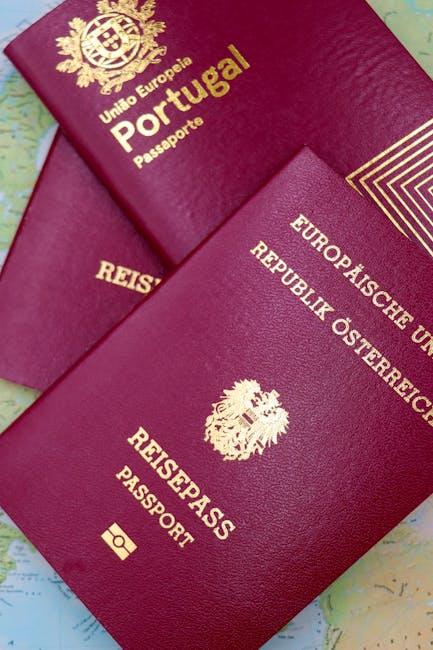
Holding more than one passport-known as multiple citizenship or dual nationality-unlocks a range of practical advantages that go beyond simply traversing borders with ease. For many, the primary benefit is enhanced mobility: multiple passports often grant visa-free or visa-on-arrival access to a far greater number of countries, making international travel, business, and tourism more seamless. Additionally, having citizenship in different countries can provide expanded economic opportunities such as the ability to legally work, invest, or own property in multiple jurisdictions without the need for complex permits or visas. This type of flexibility can be particularly valuable for entrepreneurs and frequent travelers. Another key advantage lies in access to social services, healthcare, and education-multiple citizenship may allow individuals and their families to tap into resources and benefits in more than one nation.
However, managing multiple citizenships requires juggling a variety of legal and tax obligations, which can vary significantly depending on the involved countries. Some governments impose dual taxation or require reporting on overseas assets, meaning holders must stay informed to avoid penalties. To illustrate, the table below compares essential considerations for dual passport holders from common jurisdictions:
| Aspect | United States | European Union | Asia-Pacific |
|---|---|---|---|
| Tax on Global Income | Yes, worldwide taxation | Typically only taxes residents | Varies widely by country |
| Mandatory Military Service | Generally no | Depends on country (e.g., Greece, Finland) | Yes in some (e.g., South Korea) |
| Visa-Free Travel Count | 185+ countries | Varies; often 150+ | Varies widely |
For those considering multiple citizenship, it is highly recommended to consult immigration lawyers or financial advisors who understand international law. This ensures benefits are maximized while minimizing legal risks and obligations. Thoughtful planning and awareness equip individuals to fully leverage the advantages of holding more than one passport in today’s interconnected world.
Navigating the Complex Challenges of Dual or Multiple Nationalities
Holding dual or multiple nationalities can provide significant advantages, but it also means navigating a web of legal, tax, and civic responsibilities that vary widely across countries. One of the most pressing challenges is understanding and complying with each nation’s laws regarding citizenship, including mandatory military service, voting obligations, and restrictions on dual citizenship itself. For example, some countries may require renunciation of previous citizenships, while others allow dual citizenship but impose strict reporting on foreign assets or income. Managing tax liabilities is another complex area, as citizens may face taxation on global income, requiring expert guidance to avoid double taxation or unexpected penalties.
Practical considerations also extend to travel restrictions, consular protection, and cultural integration. Citizens with multiple passports often enjoy greater travel freedom but must be aware of entry requirements that may conflict or affect visa exemptions. Furthermore, the question of allegiance can create personal and political dilemmas, especially in cases of diplomatic tension between countries of citizenship. To navigate these intricacies effectively, consider the following steps:
- Consult legal experts familiar with citizenship and immigration law in all relevant countries.
- Maintain detailed records of passports, tax filings, and government correspondence.
- Stay informed on policy changes affecting dual citizenship status or associated obligations.
- Evaluate which nationality offers the most practical benefits for your lifestyle and future plans.
| Challenge | Potential Impact | Recommended Action |
|---|---|---|
| Conflicting Tax Laws | Double taxation liabilities or fines | Engage international tax advisors |
| Military Service Requirements | Mandatory conscription or penalties for non-compliance | Research exemption options, fulfill obligations if needed |
| Passport Use Conflicts | Travel delays, denied entry, or inability to access consular aid | Use appropriate passport per country’s requirements |
How to Decide if Multiple Citizenship Is the Right Choice for You
Deciding if multiple citizenship is the right choice involves evaluating both your personal circumstances and long-term goals. Consider your ties to each country, such as family, work, and cultural connections. Multiple citizenship can offer benefits like easier travel, expanded work and education opportunities, and access to social services in more than one country. However, it can also come with challenges such as complex tax obligations, mandatory military service in some countries, or difficulties arising from conflicting legal responsibilities. An important step is to research how your home country and the potential new country handle dual citizenship-some nations permit it freely, while others may require renouncing prior nationality.
To make an informed decision, weigh the pros and cons based on factors like lifestyle flexibility, career plans, and legal obligations. Consider questions such as:
- Do you plan to live, work, or study in multiple countries long-term?
- Are you prepared to navigate multiple tax systems and legal frameworks?
- Does your current country allow multiple citizenship without penalty?
- Will multiple citizenship provide you with tangible benefits like visa-free travel or access to government services?
| Consideration | Potential Benefit | Possible Challenge |
|---|---|---|
| Travel Freedom | Visa-free entry to more countries | Confusing travel documentation rules |
| Work Opportunities | Access to job markets without visas | Obligations to national service or local laws |
| Legal and Tax Status | Rights to social services and benefits | Double taxation or complex compliance |
Ultimately, if the advantages align with your lifestyle and you can handle the obligations, multiple citizenship can significantly enrich your personal and professional life. If uncertainty remains, consulting with immigration lawyers or tax professionals can clarify how dual nationality fits your unique situation before committing.
Common Myths About Multiple Citizenship and the Truth Behind Them
One of the most common myths surrounding multiple citizenship is that it automatically leads to double taxation. While it’s true that having citizenship in more than one country can complicate tax obligations, many nations have bilateral tax treaties designed to prevent double taxation on the same income. It’s essential to understand each country’s tax laws and reporting requirements rather than assuming you’ll be taxed twice. Another frequent misconception is that dual citizens must serve in the military of both countries, which is rarely the case. Military service obligations depend on the specific laws of each nation, and some countries exempt dual citizens or have provisions allowing deferments or alternatives.
Another prevalent myth is that individuals with multiple citizenships can face travel restrictions or difficulties entering certain countries. In reality, holding more than one passport often provides greater travel flexibility, including access to visa-free or visa-on-arrival entry to more destinations. However, it’s crucial to use the correct passport for entry and exit according to a country’s rules. Lastly, some believe that multiple citizenship automatically means full political or legal equality in all countries involved. In practice, rights such as voting, holding public office, or owning property can vary widely depending on the nation’s specific laws. Understanding these nuances helps manage expectations and make informed decisions about the benefits and responsibilities of multiple citizenship.
In Retrospect
In a world that grows ever more interconnected, multiple citizenship stands as both a symbol and a reality of our global village. It offers doors to new opportunities, a broader sense of identity, and increased mobility, while also inviting us to navigate complex legal landscapes and layered responsibilities. Understanding the benefits and challenges of holding more than one passport is essential-not just for those who embrace multiple citizenship today, but for anyone seeking to grasp the evolving fabric of nationality in the 21st century. As borders blend and identities multiply, the question is not just what multiple citizenship means for you, but how it will shape the way we all connect, belong, and thrive across the world.




