
In a world increasingly defined by movement and migration, the notion of belonging has become both expansive and intricate. Holding multiple citizenships is often seen as a passport to opportunity-a bridge connecting diverse cultures, economies, and identities. Yet, beneath the surface of legal privileges and global mobility lies a nuanced landscape of personal challenges and internal conflicts. Navigating borders within oneself involves a delicate balancing act, where loyalty, identity, and belonging intersect and sometimes collide. This article delves into the complex journeys and quiet battles faced by those who carry more than one nationality, exploring what it truly means to live between countries-and often, between selves.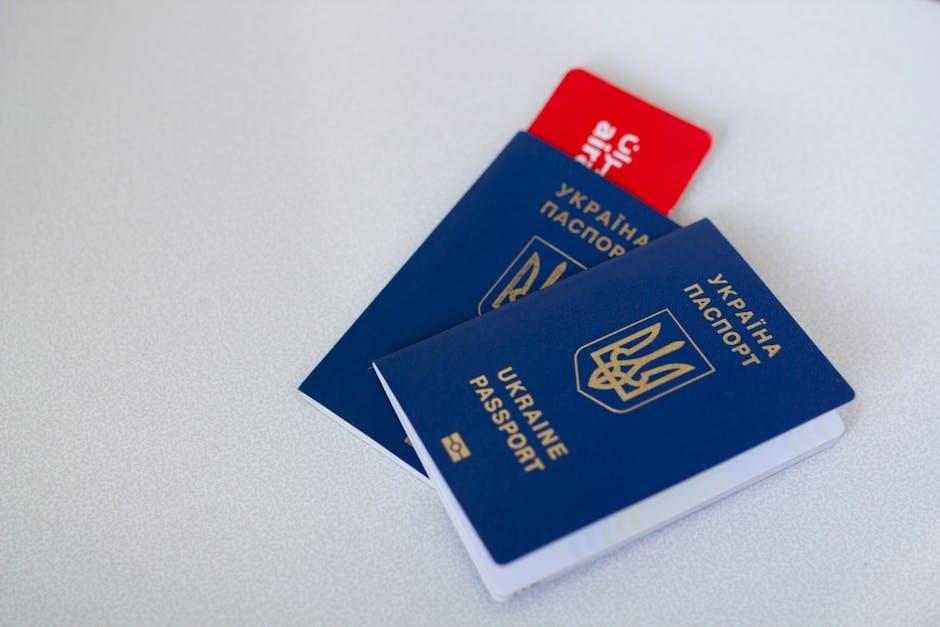
Crossroads of Identity and Belonging in a World Without Single Borders
Imagine Lina, born in Brazil to a Japanese mother and Brazilian father, holding both passports with pride. On paper, her dual citizenship seems like a gift-a bridge between two rich cultures. Yet, when Lina visits Japan, she finds herself constantly navigating subtle questions: “Where are you really from?” or “Do you belong here if you don’t speak Japanese fluently?” While in Brazil, friends assume she’s somehow more “foreign” because of her Asian appearance. These moments reveal a hidden tension within the promise of multiple citizenships: identity and belonging aren’t guaranteed by paperwork alone. Instead, they unfold through continuous negotiation, sometimes requiring difficult choices between cultural expectations and personal authenticity.
For many in Lina’s position, crossing these internal and external borders challenges the very idea of home as a singular place. The expectations of dual citizenship often contrast sharply with the realities of lived experiences:
- Expectation: Dual citizenship offers seamless access to two worlds.
- Reality: It can create feelings of exclusion or perpetual otherness in both.
- Expectation: A sense of rootlessness is a small price for freedom of movement.
- Reality: The emotional toll of fragmented identity can persist, prompting ongoing self-reflection.
Take Michael, an American-German citizen, who once had to choose which nationality to emphasize when applying for jobs within the European Union. The decision wasn’t just about legal paperwork-it was about aligning with a professional identity that often overshadows the personal complexities woven through his heritage. These crossroads underscore a delicate balance: holding multiple citizenships expands possibilities but also poses quiet battles of belonging, identity, and acceptance-journeys that are as personal as they are political.
Everyday Realities of Balancing Dual Loyalties and Legal Complexities
Imagine Amina, a dual citizen of Canada and Egypt, faced with the legal intricacies of jury duty. In Canada, she is summoned and must serve, but when she returns home to Cairo, the concept of jury service doesn’t exist. While her citizenship offers travel ease and cultural richness, it also thrusts her into moments where legal obligations collide or confuse. For example, she had to carefully navigate visa renewals and tax declarations, ensuring compliance on both ends without inadvertently triggering penalties-sometimes a delicate balance resembling a game of chess with a hidden rulebook. This blend of expectations versus reality often surfaces during seemingly routine tasks, like filing taxes, where dual citizens encounter the complexities of double taxation treaties, financial disclosures, or timing of residency status, requiring detailed attention beyond what most individuals face.
- Case in point: Raj, holding Indian and U.S. citizenships, discovered the nuanced difference in military obligations-mandatory service in India, voluntary in the U.S.-posing tough decisions about where he should commit if called upon.
- Another dilemma: Sophie, whose parents are French and Brazilian, needed to choose a single passport to enter certain countries, a reminder that dual citizenship doesn’t always guarantee seamless travel.
| Aspect | Expectation | Reality |
|---|---|---|
| Legal Obligations | Clear, non-conflicting duties | Conflicting laws and obligations in different countries |
| Travel | Freedom to move without restrictions | Passport-dependent restrictions and complex visa rules |
| Taxation | Simple tax systems aligned with residency | Complex filings, potential double taxation concerns |
Everyday realities for dual citizens are rarely straightforward; they are filled with quiet negotiations and split-second decisions. Choosing which country’s laws to prioritize can be fraught with emotional and practical implications. For Malik, a holder of German and Nigerian citizenships, the challenge was profoundly felt when starting a business. Navigating the vastly different bureaucracies meant awareness of where certain laws would override others, sometimes leading to unexpected delays or costs. These lived experiences illustrate that holding multiple citizenships is not just about added rights; it’s about grappling daily with legal puzzles that require patience, savvy, and often, professional guidance.
When Passports Tell Different Stories A Tale of Conflicting Expectations
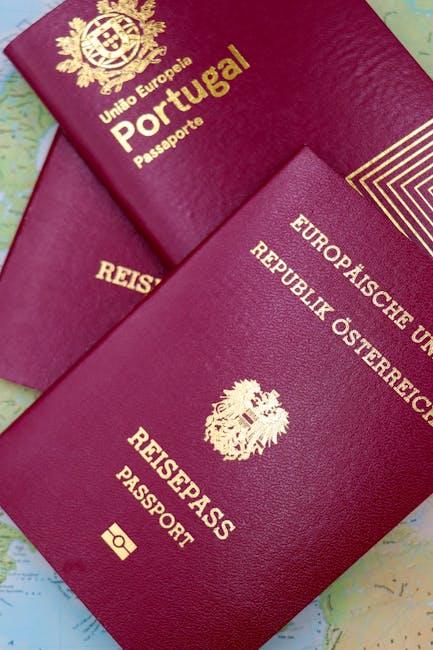
Maria had always felt fortunate to hold both Brazilian and Portuguese passports, symbols of her rich heritage and global opportunities. But when preparing for a business trip to the U.S., she encountered an unexpected dilemma. The Brazilian passport required a visa application that would take weeks, while her Portuguese passport allowed for visa-free entry. Using the Portuguese passport, however, sparked questions with her Brazilian employer, who assumed she would travel under her Brazilian identity for tax and legal reasons. This clash between administrative expectations and real-life choices forced Maria into a delicate negotiation, navigating not just customs but the varying rules and perceptions tied to each nationality. Her story stresses how multiple passports don’t just open doors-they can sometimes create conflicting corridors where identity and legality aren’t always aligned.
Consider Ahmed, holding Canadian and Egyptian citizenships. During a family emergency in Egypt, he traveled on his Egyptian passport to bypass visa complications. Yet, upon returning to Canada, border officers questioned his use of the foreign passport, leading to an uncomfortable explanation about dual rights and responsibilities. Such moments reveal the layered challenges dual citizens face:
- Assumptions about which passport to use at which border
- Diverse legal expectations imposed by different governments
- The internal tug-of-war between practical convenience and emotional identity
| Scenario | Expectation | Reality |
|---|---|---|
| Using second passport abroad | Smoother travel and fewer restrictions | Risk of interrogation or confusion at home border |
| Employer travel policies | Use home country passport for consistency | Employee practicality may favor alternate citizenship |
These experiences teach that holding multiple passports often entails a quiet balancing act, where expectations of identity and loyalty intersect with the pragmatic demands of travel and law. It’s a dance between two stories-sometimes harmonious, sometimes discordant-but always deeply personal.
Finding Home Between Nations Lessons Learned from Quiet Inner Struggles
For many who hold multiple citizenships, the journey to find a true sense of home is rarely straightforward. Take Amina, for example, who grew up in Canada with Algerian roots. When she returned to Algeria for an extended stay, she expected to feel an instant belonging-a warm embrace from the land of her ancestors. Instead, she encountered subtle challenges: language nuances that felt distant despite familial ties, social customs that felt unfamiliar, and a quiet internal tug-of-war between her Canadian outlook and Algerian expectations. This inner struggle-being everywhere and nowhere at once-prompted Amina to reconsider what “home” really meant. Through reflection, she learned one vital lesson: that home isn’t a physical place but a mosaic of experiences and relationships, shaped by both nations yet owned by the individual.
These nuanced struggles often unfold in everyday moments and decisions, revealing contrasts between hope and reality. Consider the choice of language at family dinners or the pressure to conform to one culture’s norms or the other’s. Many dual citizens find themselves navigating a constant balancing act, as illustrated below:
| Expectation | Reality | Lesson Learned |
|---|---|---|
| Feeling fully accepted in both cultures | Often feeling partially understood or perceived as an outsider | Acceptance starts with embracing one’s own unique identity across borders |
| Seamless transition between identities | Navigating awkward moments of cultural misalignment | Flexibility and patience foster deeper self-awareness and cultural empathy |
- Quiet reflection becomes a powerful tool to untangle complex emotions tied to dual belonging.
- Intentional conversations with family and peers help bridge internal divides and external misunderstandings.
- Redefining home as an evolving concept rather than a fixed destination opens up new possibilities for identity.
Paths Diverged How Multiple Citizenship Shapes Personal and Social Horizons
Maria grew up navigating two worlds-the vibrant streets of Buenos Aires and the quiet suburbs of Melbourne. Holding dual citizenship offered her undeniable advantages: easier travel, broader work opportunities, and a sense of belonging in both places. But these perks came with challenging moments of choice. When Maria was offered a job promotion in Australia requiring full-time presence, she hesitated. The emotional tug of her Argentine family pulling her back clashed with the professional growth Australia promised. Her decision was a balancing act between career ambitions and cultural roots, revealing how multiple citizenship shapes personal horizons by stretching one’s sense of identity rather than simply expanding it.
The social dimensions complicate this landscape further. Take Ahmed, an engineer with Egyptian and Canadian passports who found himself caught between conflicting civic duties during election seasons. While Canada emphasized civic participation and community engagement as a democratic right and responsibility, Egypt’s political context introduced layers of scrutiny and, sometimes, suspicion for dual nationals. This tension forced Ahmed into moments of careful calculation-whether to publicly voice political opinions or remain silent to avoid unintended repercussions. His story illustrates how multiple citizenship transforms social horizons into complex terrains where expected freedoms can collide with unexpected constraints.
- Benefit: Enhanced mobility and work flexibility
- Challenge: Emotional and cultural conflicts in making life choices
- Social impact: Navigating divergent civic expectations and allegiances
| Aspect | Expectation | Reality |
|---|---|---|
| Sense of Belonging | Seamless integration in both cultures | Persistent identity negotiation and occasional feelings of dislocation |
| Civic Participation | Freedom to engage equally in both countries | Varied legal and social ramifications that need careful navigation |
To Conclude
In the intricate tapestry of identity, holding multiple citizenships is both a bridge and a border-offering the promise of belonging while inviting quiet struggles beneath the surface. These layered allegiances shape more than passports; they color experiences, choices, and perceptions in profound ways. Navigating these internal and external frontiers is a deeply personal journey, one that challenges conventional notions of home and loyalty. As the world grows more interconnected yet paradoxically fragmented, understanding the delicate balance of multiple citizenships becomes essential-not just as a legal status, but as a complex human story unfolding within us all.




